• 2 min read
Garmin takes on Whoop with its first screenless tracker
Garmin’s new $200 Cirqa Smart Band skips the display, lasts 10 days, and tracks more than 80 activities without requiring a subscription.
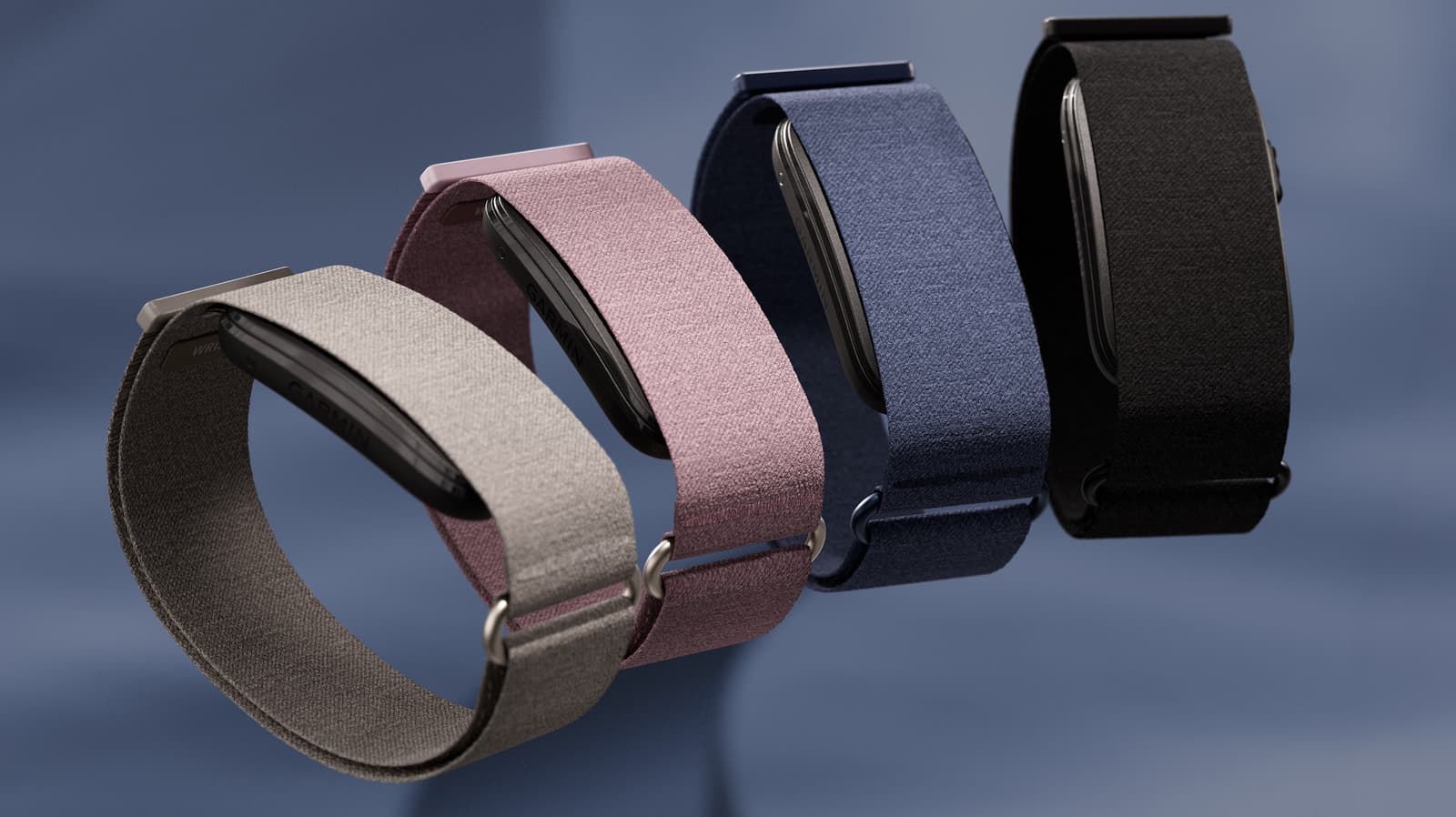
Image: Engadget
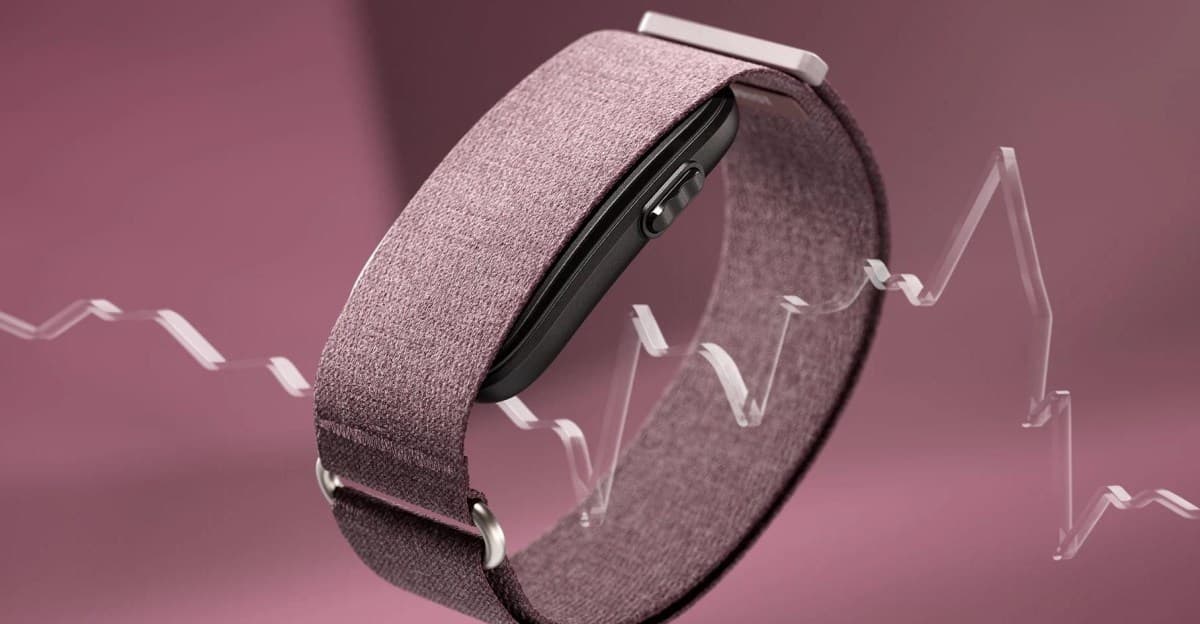
Garmin has entered the screenless fitness tracker category with the new Cirqa Smart Band, its first wearable without a display and a direct rival to Whoop and Google’s Fitbit Air.
The pitch is simple: health tracking without adding another screen to your day. The Cirqa has a 10-day battery life, a minimalist design, and can be worn either on the wrist or as an arm band. Unlike many competing devices, it also includes a single side button that lets users cycle through preferred activities.
Garmin says the band tracks core metrics including steps, sleep, and calories burned, while also automatically logging more than 80 activities such as walking, running, and yoga. Data is viewed through the Garmin Connect app, which also surfaces insights such as recovery time.
Recommended reading
PeakDo targets Starlink Mini with a 99Wh battery pack
The sensor set covers heart rate, blood oxygen, stress, and skin temperature, with readings synced to the app. The band also supports Connected GPS, letting users map routes by pairing the Cirqa with an iPhone or Android device and using that phone’s GPS signal.
Garmin is also avoiding one of the biggest complaints about subscription-heavy wearables. While a Garmin Connect+ subscription unlocks additional features and insights, it is not required for the core tracking features.
The Cirqa Smart Band is available now for $200. It comes in two strap sizes and launches in Citron Gray, Mauve, French Gray, Dark Olive, Captain Blue, French Blue, and Black.

Gadgets Editor
Eli is obsessed with the tangible future. He reviews phones, wearables, and everything with a battery. Known for his rigorous testing protocols and unabashed teardowns, Eli has broken more review units than he cares to admit, all in the name of discovering the truth about durability and repairability.
via Engadget