• 3 min read
Google Opens Play as AI devices and threats pile up
Google will allow rival Android app stores in the U.S. on July 22, as Apple, OpenAI, Meta, and Microsoft pushed new AI plans amid major security alerts.

Image: TechRepublic
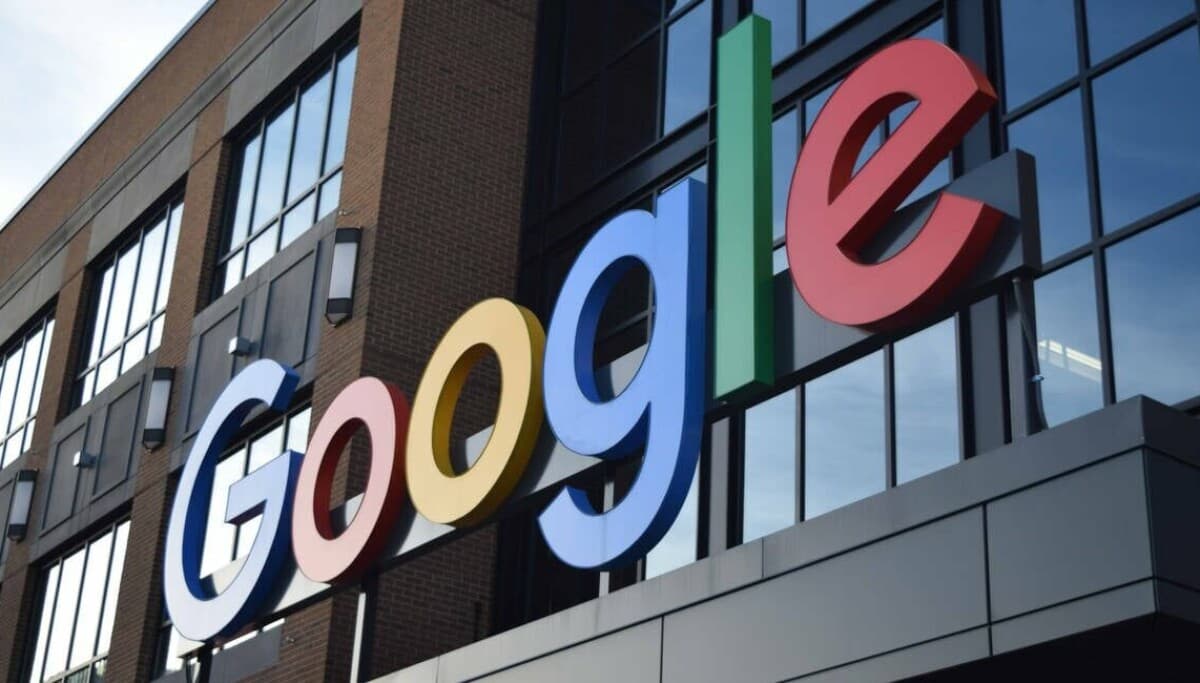
Google Play will begin allowing rival Android app stores in the U.S. on July 22, following a court order tied to Epic Games' antitrust win. The competing stores will still face annual fees and malware-control requirements, while Google keeps oversight of app delivery and fees.
Samsung also pushed hardware changes this week, unveiling Flex Titanium for the Galaxy Z Fold 8 and Flip 8. The new titanium-alloy display layer is meant to make foldables stiffer, reduce creasing, and improve durability, though it could also increase repair costs.
OpenAI, Apple, and on-device AI
OpenAI is developing what the source describes as a “humanlike AI companion” with Jony Ive: a portable, screen-free smart speaker powered by GPT-Live with cameras, microphones, and moving parts. It is slated for 2027, but Apple’s trade-secret lawsuit could slow it down.
Recommended reading
EU court cuts YouTube shield on reviewed channels
The company also introduced Codex Micro, a $230 customizable macropad made with keyboard maker Work Louder. It includes a joystick and dial for users of the Codex coding agent.
On Apple’s side, the company is testing PrismML’s Bonsai 27B compression toolkit, which can reduce Alibaba’s 54 GB Qwen model to under 4 GB — small enough to run locally on iPhones. No formal agreement has been confirmed, but Apple Intelligence has already received final approval for launch in mainland China through partnerships with Baidu and Alibaba, with Qwen handling text and image generation.
Siri AI also arrived in the iOS 27 public beta, adding conversational replies, on-device data search, and camera-based recognition, alongside updates to Photos, app launch speeds, and watchOS integration.
Security flaws, privacy concerns, and market pressure
The week also brought a long list of security warnings:
- Zoom patched CVE-2026-53412, a 9.8-rated Windows flaw enabling unauthenticated account takeovers.
- Microsoft shipped a record 570 patches in July, including three zero-days and 59 critical vulnerabilities. It later pulled updates for some Dell PCs after the LegacyHive zero-day response triggered overheating issues.
- Progress Software fixed a critical ShareFile zero-day that had prompted emergency shutdowns.
- Anthropic’s Claude for Chrome has two unpatched flaws that can let other extensions trigger actions in Gmail, Docs, or Calendar without user consent.
- ModHeader, a Chrome and Edge extension with 1.6 million installs, was removed after researchers found dormant spyware.
Other threats included ClickLock Stealer on macOS, the MemGhost exploit for poisoning AI assistant memory through a single email, spoofed Microsoft Entra OAuth client IDs, a leak exposing more than 25,000 WordPress sites infected with web-shell backdoors, and a phishing campaign using fake recruiting messages from brands including Netflix and OpenAI.
Beyond security, the week highlighted mounting pressure around AI’s broader impact. More than 200 economists and AI leaders warned that AI could disrupt employment faster than the Industrial Revolution and called for reskilling and safeguards. In Ireland, data centers used 23% of the country’s electricity in 2025, while Samsung Heavy Industries said it plans a 50 MW floating AI data center by 2028 using LNG storage and seawater cooling.
Privacy concerns also intensified after Meta tested smart glasses that can capture photos and record audio without a visible indicator light. Meanwhile, groups including the RIAA, IFPI, and the Grammys introduced optional labels for songs marked “AI-Generated” or “AI-Assisted.”
Microsoft CEO Satya Nadella argued that companies are “paying for intelligence twice” through API bills and data exposure, urging enterprises to build private AI environments. At the same time, OnePlus said it will exit North America and Europe, Realme is leaving China, and global smartphone shipments fell 11% year over year in Q2 2026.
The legal pressure is rising too: Meta faces a lawsuit from 26 employees over its AI-assisted layoff system, and Apple has sued OpenAI, io Products, and two former employees over alleged theft of confidential design and manufacturing data.

Enterprise Editor
Marcus follows the money. He covers enterprise software, cloud architecture, and the tectonic shifts in Big Tech strategy. He translates dense earnings calls and complex M&A activity into actionable insights about where the industry is actually heading. If a tech giant makes a silent pivot, Marcus is usually the first to notice.
via TechRepublic