• 2 min read
Japan Backs Noetra With 27,500 Nvidia Rubin Chips
SoftBank, Honda, and Sony have backed Noetra as Japan lines up 27,500 Nvidia Rubin chips for a 2027 AI training buildout.
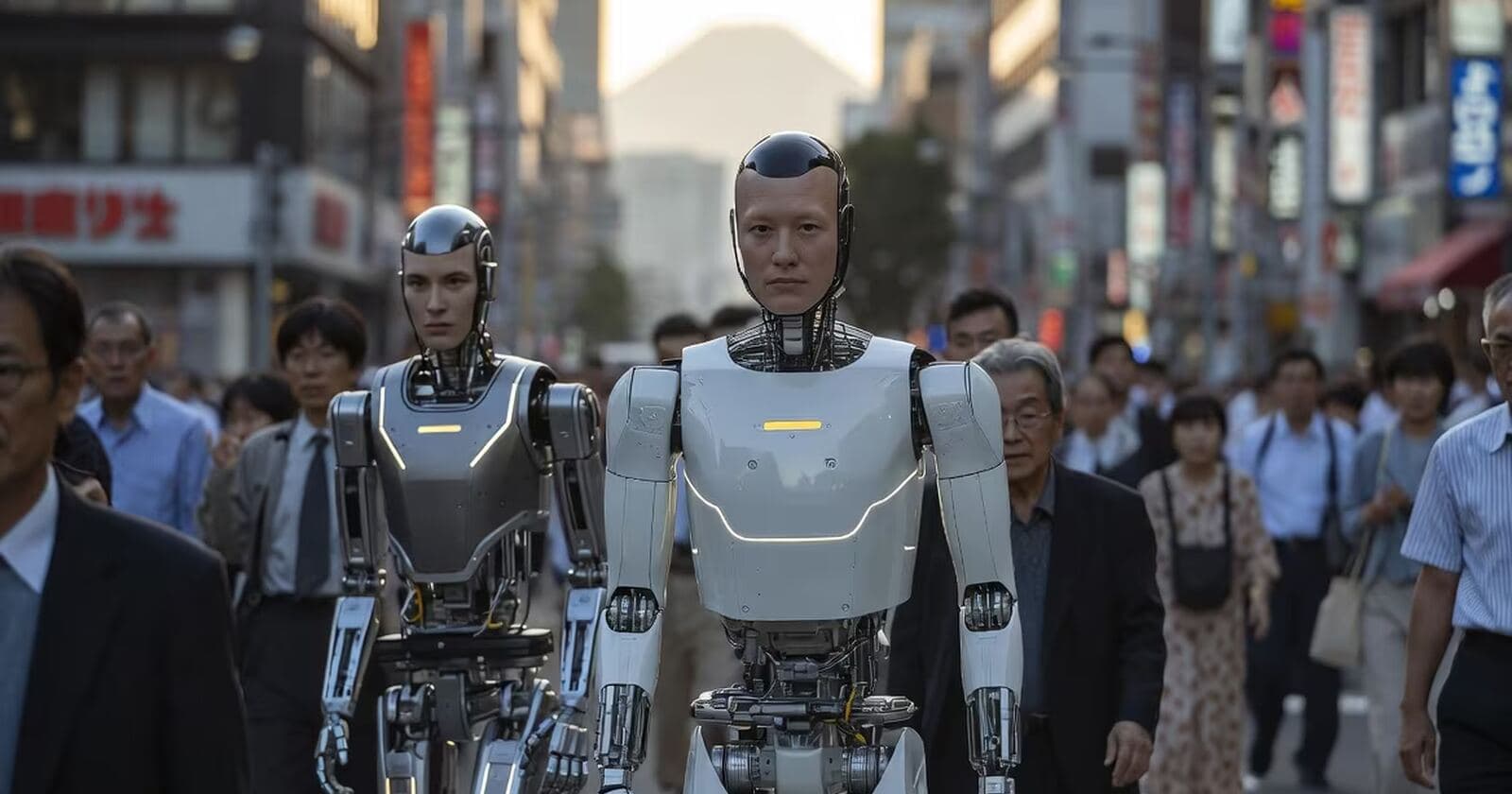
Image: ITzine
Japan is making another big bet on robotics and physical AI. State-backed Noetra, whose investors include SoftBank, Honda, and Sony, has purchased 27,500 Nvidia Rubin processors and plans to deploy training infrastructure in 2027.
The company is framing the move as a way for Japan to stay in the race for critical technologies, where the US and China have already pulled ahead. In its first year, the project is set to receive more than ¥380 billion, or about $2.33 billion. That funding is not just coming from major private companies: Noetra is also receiving government support and says it wants to offer Japanese businesses a domestic foundation model they can use without sending data overseas.
Chief executive Hironobu Tamba said the effort has brought together much of Japan’s industrial and technology base around a single idea.

Recommended reading
Musk says Grok Imagine could make an Odyssey film in 2026
Why Japan is backing Noetra
Noetra is not focused on standard chatbots. Its target is physical AI — systems designed to operate in the real world and help machines, robots, and industrial platforms make decisions.
That focus fits Japan’s economy, which has long depended on automation. The government wants to raise the number of AI-enabled robots to 10 million by 2040 across manufacturing, shipbuilding, and other sectors.
The investor list reflects that strategy:
- SoftBank has deep ties to AI and robotics
- Honda is building industrial and mobility platforms
- Sony brings sensor, imaging, and computing expertise
Together, they are backing not just another model demo, but infrastructure that Japanese companies could actually use.
Nvidia Rubin and the infrastructure race
The choice of Nvidia Rubin underlines the scale of the project. 27,500 accelerators points to a full training center, not a lab experiment, aimed at competing with systems coming out of the US and China.
It is also a reminder that the fight over AI infrastructure is no longer just about software. It increasingly depends on hardware, power, and capital.
Japan already has a strong reputation in industrial robotics, but that is no longer enough on its own. The countries setting the pace are building models, buying accelerators, launching data centers, and pushing those systems into industry at speed. The US has an edge through cloud platforms and its own AI labs, while China benefits from heavy state backing and a massive domestic market.
Against that backdrop, Noetra looks like an attempt to assemble a single Japanese response. If construction of the infrastructure really begins in April 2027, the next two years will test not only the company, but whether Japanese industry is ready to move from localized robotics to homegrown AI platforms.

AI Editor
Ava covers the rapidly evolving world of artificial intelligence, from foundational models and research labs to the real-world economics of intelligence. With a background in computational linguistics, she cuts through the hype to find out what actually works. She firmly believes that benchmarks are just marketing until reproduced in the wild.
via ITzine