• 2 min read
LLW memory could replace LPDDR in future AI phones
Smartphones chasing on-device AI may soon get a new memory type instead of another routine LPDDR bump. Industry sources say manufacturers are preparing Low Latency Wide DRAM, or LLW, a DRAM-based approach that borrows id
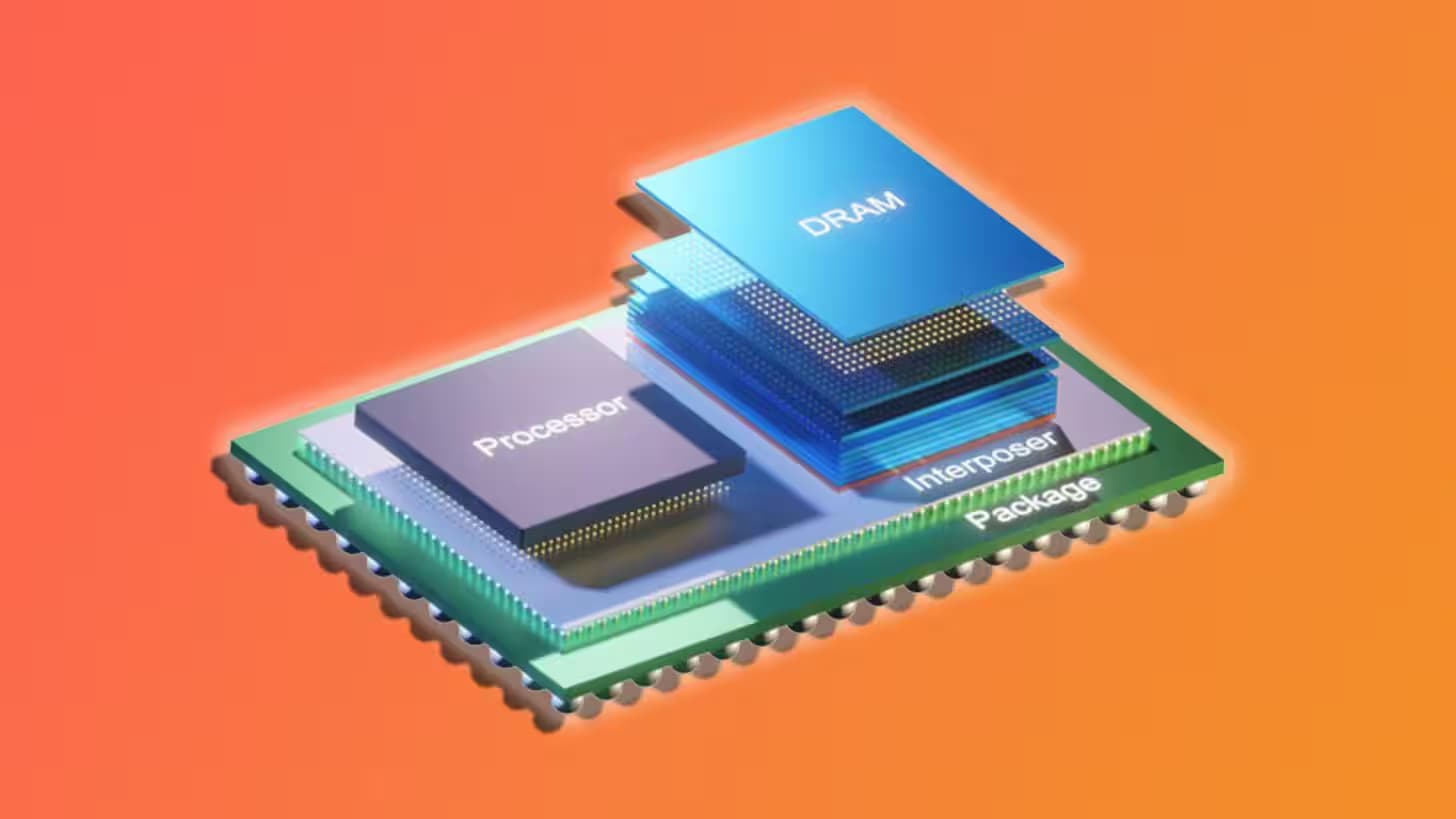
Image: ixbt.com
Smartphones chasing on-device AI may soon get a new memory type instead of another routine LPDDR bump. Industry sources say manufacturers are preparing Low Latency Wide DRAM, or LLW, a DRAM-based approach that borrows ideas from HBM while trying to fit inside the tight thermal and physical limits of a phone.
The pitch is simple: more bandwidth, less delay, and less wasted power. That matters because AI features on mobile devices are increasingly bottlenecked by memory, not just the neural processor. If those claims hold up, LLW could become one of the more interesting upgrades in the next wave of premium phones.
How LLW memory differs from LPDDR and HBM
LLW is not HBM in the strict sense. Instead, it takes a tighter architectural approach aimed at solving the same headaches that plague LPDDR in AI-heavy workloads: limited bandwidth and rising latency. The twist is that it avoids the packaging and heat dissipation issues that make HBM awkward for smartphones.
That hybrid approach is the point. HBM is already a proven answer in high-end computing, but phone makers cannot simply shrink a server stack and call it innovation. LLW appears designed as a compromise that trades familiarity for efficiency.

Recommended reading
xAI Sues Grok User Over Child Abuse Images
What the early numbers suggest
According to industry sources cited by AnTuTu, LLW could theoretically cut power consumption by about 50% and improve performance by about 1.5 times. Those are eye-catching figures, but they are still theoretical until real devices prove them in shipping hardware.
- Expected goal: higher memory bandwidth for edge AI tasks
- Potential power savings: about 50%
- Potential performance gain: about 1.5x
If LLW does make it into phones, Xiaomi and Huawei are said to be the first likely adopters in the domestic market. That fits the usual pattern: the companies most willing to gamble on new hardware tend to test it before anyone else, and rivals then spend the next cycle pretending they invented caution.
The bigger question is whether LLW becomes a true LPDDR replacement or just another high-end experiment for AI flagships. Memory innovation in phones usually moves slowly until a specific workload forces the issue, and generative AI is doing exactly that.

AI Editor
Ava covers the rapidly evolving world of artificial intelligence, from foundational models and research labs to the real-world economics of intelligence. With a background in computational linguistics, she cuts through the hype to find out what actually works. She firmly believes that benchmarks are just marketing until reproduced in the wild.
via ixbt.com