• 2 min read
Moscow data centers face new power cut risk
New Moscow data centers may be connected under a lower reliability category as power demand jumps more than 33% in a year.

Image: ITzine
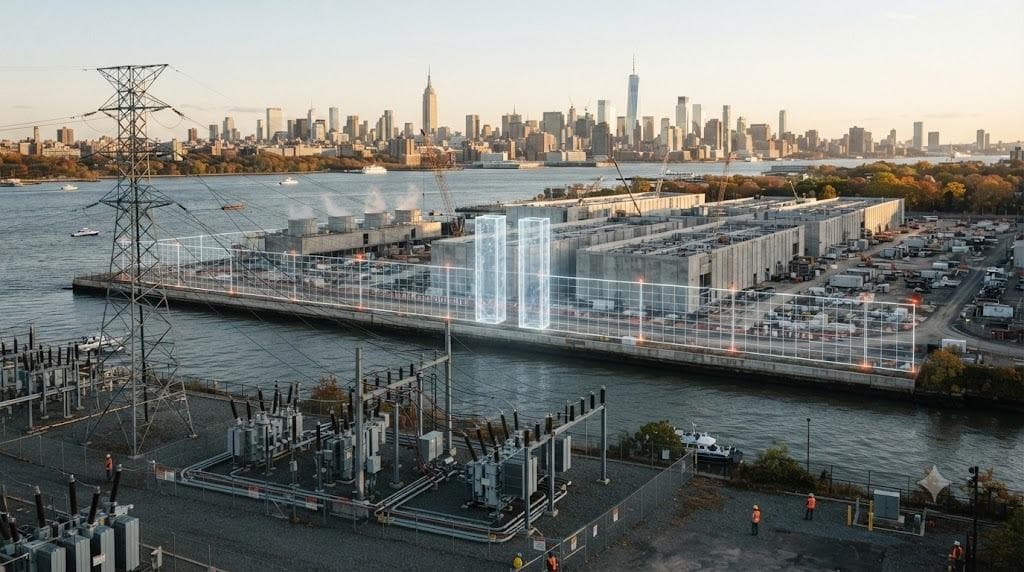
Russian data centers increased their power consumption by more than 33% over the past year, and the main constraint is no longer just generation capacity. The bigger problem is the grid itself — and where that level of load can actually be connected.
For Moscow facilities, that is turning into a serious issue. New data centers in the capital may be connected under a fourth reliability category, meaning they would face a risk of outages during peak demand hours. Demand is being driven by AI, expanding corporate IT systems, and cryptomining. Industry estimates say mining already accounts for about 60% of the capacity used in the segment.
Moscow and the surrounding region, along with southern Russia and southeastern Siberia, are now listed as areas with a shortage of available power capacity. By contrast, northwestern Russia, the Volga region, and parts of the Urals still have headroom.

Recommended reading
AI Coding Agents Keep Babel Standing
Moving server farms out of the Moscow hub is difficult not because of a lack of floor space for racks. The country’s main communications backbones, major enterprise customers, and traffic exchange points are already concentrated in Moscow. Shifting workloads elsewhere would mean higher latency, extra network costs, and the challenge of hiring staff locally.
The broader trend matches global data. The International Energy Agency has already warned that electricity demand from data centers is rising faster than that of most other industrial consumers, and that AI places heavier strain on grids than standard cloud services. In Russia, the problem is compounded by uneven regional distribution: spare generation in one location does not automatically translate into grid access somewhere else.
A fourth reliability category does not mean every new site will be routinely shut off. But it does mean restrictions are being built into the model from the start. That is a difficult fit for a business built on continuous uptime.
Operators have a few options:
- build their own generation, most often gas-fired
- move to regions with spare capacity, where building and operating can be cheaper
- accept the tradeoff of being farther from major customers and core network routes
Industry materials also point to demand from Chinese companies using Russian capacity for work aimed at neighboring markets, suggesting regional facilities could expand on more than domestic demand alone. The next question is how many new projects will accept constrained grid access — and how many will go where electricity is available, even if connectivity has to be built almost from scratch.

Enterprise Editor
Marcus follows the money. He covers enterprise software, cloud architecture, and the tectonic shifts in Big Tech strategy. He translates dense earnings calls and complex M&A activity into actionable insights about where the industry is actually heading. If a tech giant makes a silent pivot, Marcus is usually the first to notice.
via ITzine