• 2 min read
Moscow’s data centers are moving as Urals power draws new builds
Commercial data centers are shifting out of Moscow as grid limits bite. VTB says the Urals market could grow 3–4x by 2030 with a 500 MW reserve.
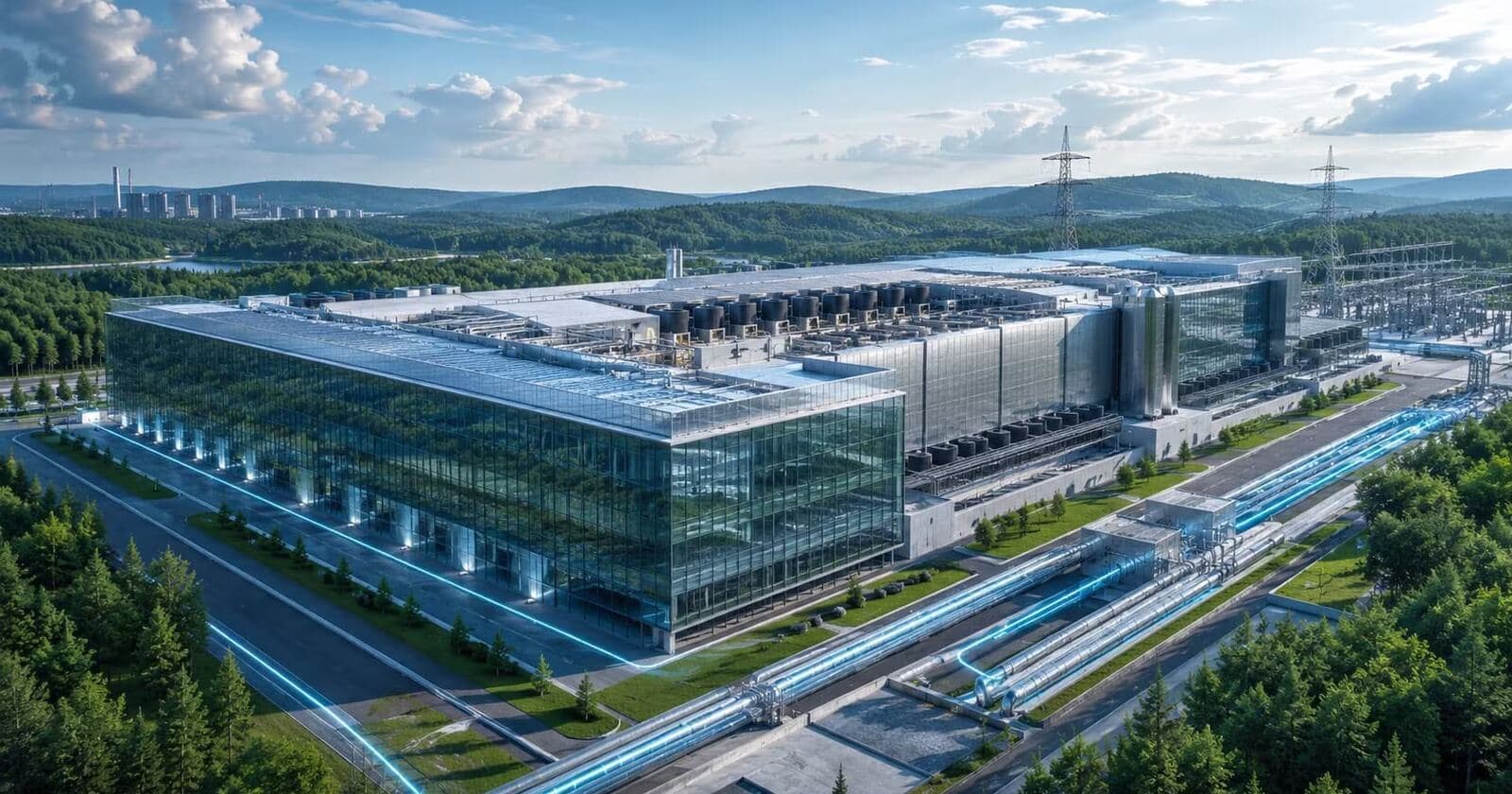
Image: ITzine
Commercial data centers are beginning to move out of the Moscow region and into parts of Russia with spare power capacity, and the Urals could be one of the biggest winners. Speaking to TASS, VTB senior vice president Dmitry Sredin said the federal district’s data-center market could grow 3–4 times by 2030 and enter the country’s top three.
The main reason is straightforward: Moscow and the surrounding region have effectively hit their power ceiling. Sredin said about 75% of Russia’s commercial data centers are already concentrated there, but there are no free grid-connection slots left, and new connections are closed until 2028. That makes energy-surplus regions more attractive for new construction, where reserve capacity is easier to secure, land is cheaper, and network agreements are simpler.
Moscow power constraints are reshaping the market
For years, Moscow was the natural center of demand, with major companies, banks, government bodies, and service platforms wanting infrastructure close to offices and communication hubs. But that concentration has turned into a bottleneck. In some cases, it is now easier to buy a ready-made rack in an existing data center than to get a new project approved quickly.
That matters because electricity and grid connection account for a large share of data-center costs and can determine whether a project gets built at all. The shift has parallels abroad, where power-rich regions have gradually pulled digital infrastructure away from overheated capitals. In Russia, the trend is being reinforced by rising demand for cloud services, AI services, and corporate data storage.

Recommended reading
23 tools later, B2B sales still aren’t moving
Why the Urals stand out
The Urals have several advantages at once. Russia’s Energy Ministry and Rosseti have approved a 500 MW reserve for the region, a figure the report says is already well above the current base of the local data-center market. VTB also links the region’s potential to industrial demand: large customers increasingly want computing capacity located near production sites and corporate systems.
Land costs are another factor. Sredin said cheaper regional sites can significantly improve project economics, especially when developers need engineering infrastructure and room for expansion. That is far harder to justify in Moscow and its surrounding belt.
The market is not expanding indiscriminately, however. According to Sredin, financing for 38 of 128 announced Russian data centers, worth 168.6 billion rubles, has been postponed. Some of those projects could return in 2027–2028 if the key interest rate falls and funding becomes easier. If that happens, new demand is more likely to head to the regions than back to Moscow — and if the 500 MW reserve in the Urals is confirmed for real projects, VTB’s forecast of multi-fold growth will look far less ambitious.

Enterprise Editor
Marcus follows the money. He covers enterprise software, cloud architecture, and the tectonic shifts in Big Tech strategy. He translates dense earnings calls and complex M&A activity into actionable insights about where the industry is actually heading. If a tech giant makes a silent pivot, Marcus is usually the first to notice.
via ITzine