• 2 min read
Multiscanner is back with 256MB file checks
Russia’s Multiscanner file-checking portal is online again, scanning uploads up to 256MB with multiple domestic antivirus engines.
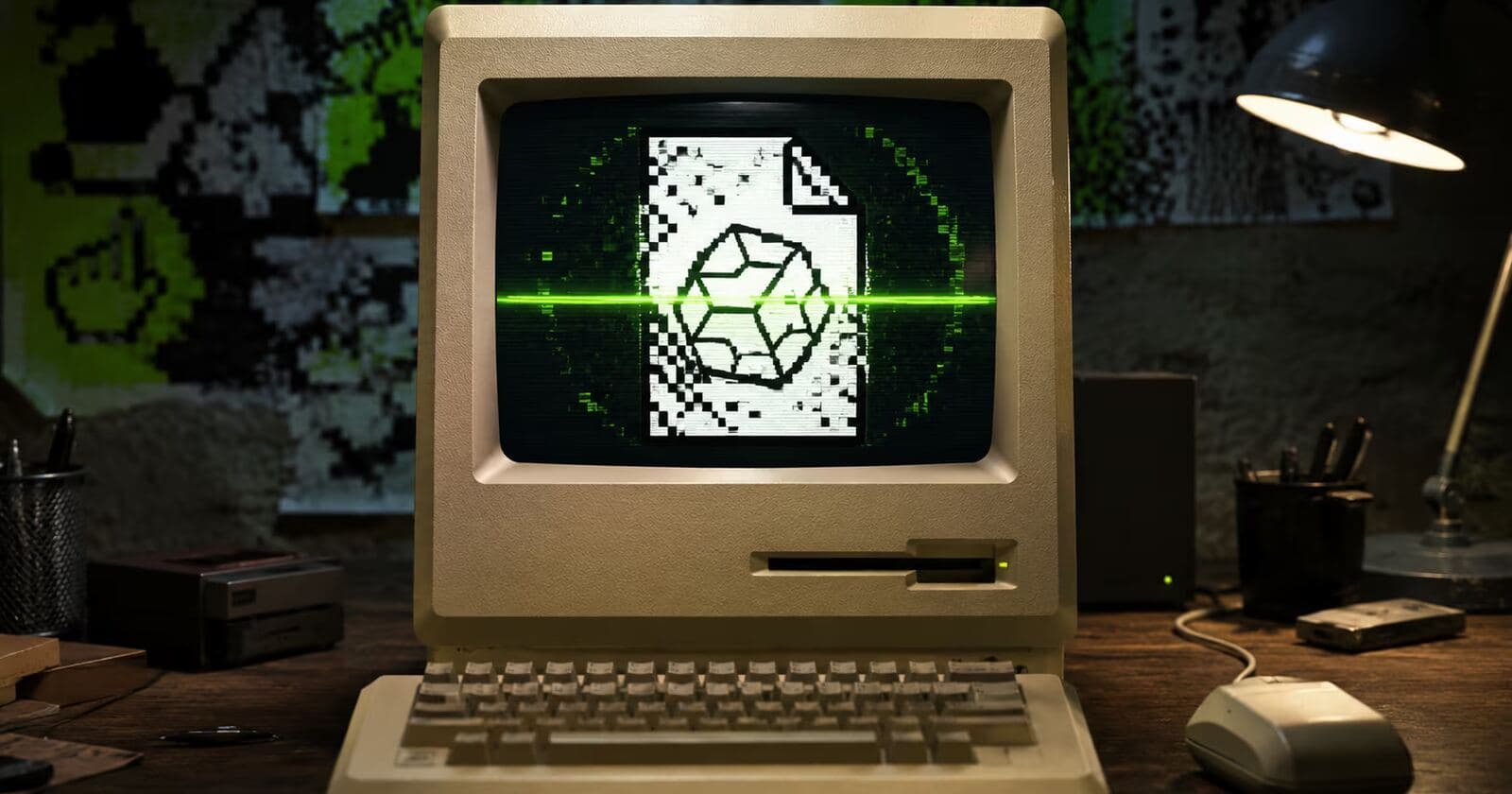
Image: ITzine
Russia’s Multiscanner portal is accepting files again, bringing back a service that checks uploads for malware using several Russian antivirus engines.
The project had gone offline after its funding was halted. It has now returned in an experimental operating mode. For users, the setup is simple: no registration is required, and scan history is stored locally in the browser rather than in a separate account.
Users can upload documents, archives, and executable files up to 256 MB. The portal supports more than 30 formats, including DOC, DOCX, EXE, PDF, PPTX, and ZIP. It works in Google Chrome, Yandex Browser, Firefox, Microsoft Edge, and Safari, though mobile browsers are not yet supported.
Multiscanner was developed in 2023 and 2024. The operator is the National Technology Center for Digital Cryptography. After funding stopped, the project was frozen, then brought back online as a test platform.

Recommended reading
3.2M Instacart Orders Reveal the Weirdest Grocery Combos
By default, scan data does not go into a standalone user profile. The log remains in the browser and can be deleted along with site data.
Comparable services already exist, most notably VirusTotal, which uses dozens of antivirus engines and is widely used for quick checks of suspicious files and links. For the Russian market, a local alternative has become more visible since 2022, as demand for domestic cybersecurity tools has increased alongside import-substitution efforts and requirements to process data within the country.
The bigger question is whether Multiscanner will remain a functioning service or stay a demonstration platform. That depends on funding and on how quickly its antivirus engines are updated: without fresh signatures, even a polished portal quickly becomes little more than a shell.

Computing Editor
Tomas lives in the terminal. He covers chips, laptops, and operating systems with a focus on performance and efficiency. He reads kernel changelogs the way other people read fiction, and he's always on the hunt for the perfect mechanical keyboard switch. If it processes data, Tomas has an opinion on it.
via ITzine