• 2 min read
Neill Blomkamp’s AI short draws backlash fast
Blomkamp’s 13-minute Nightborne uses ByteDance’s Seedance 2.0 for every shot, and early reaction has been sharply negative.
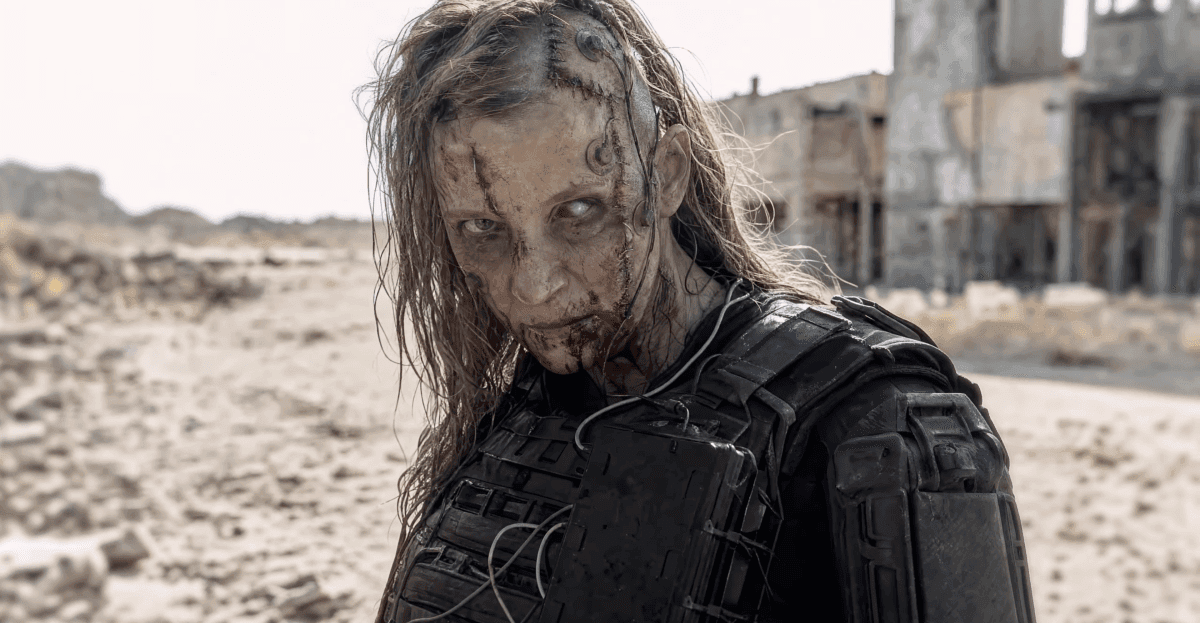
Image: The Verge
Neill Blomkamp has unveiled Nightborne, a 13-minute sci-fi short made entirely shot-by-shot with ByteDance’s Seedance 2.0 text-to-video model, and the reaction has been rough. The project, released Monday, comes from Blomkamp’s new startup and production company Barley Studios and is loosely based on Peter Watts' 2014 novel Echopraxia.
In a post on X, Blomkamp called the film a “test start” for what generative video can do and said he wants to “tackle a full feature in this format” in the future. But the short has instead become a showcase for the medium’s limits as much as its progress.
Set during a military conflict between the US and Syria, Nightborne follows an American pilot who survives a helicopter crash with devastating injuries and is absorbed into Project Nightborne, a government program that turns brain-dead soldiers into remote-controlled weaponized zombies. The pilot becomes one of many undead troops trained for secret warfare.

Recommended reading
Orate puts on-device Mac TTS in your menu bar
The short uses a familiar structure seen in other AI-generated projects: a series of very brief clips edited together to simulate a continuous story. Intercut documentary-style interviews help mask the fact that Seedance 2.0 can only generate a few seconds of footage at a time. Austyn Daines is credited as editor, and Blomkamp said “real concept artists” contributed while 32 human actors licensed their likenesses for the screen.
Even with that human input, the result still shows the usual flaws. Background signs dissolve into gibberish, and line readings land with odd stresses that make characters sound detached from what they are saying. The piece may look more polished than much of today’s AI video output, but it still struggles to feel like a finished film.
The Verge argues that Blomkamp’s creative identity is barely visible here, despite the director’s earlier reputation from works including District 9, Gran Turismo, and Alive in Joburg. It also notes that Nightborne has little in common with Echopraxia beyond the presence of zombies.
The short joins other Seedance 2.0 showcases, including Jia Zhangke’s Dance and Ruairí Robinson’s viral clip of Tom Cruise and Brad Pitt fighting. Together, those projects suggest experienced filmmakers can hide some of text-to-video’s weaknesses, but not overcome them.
According to The Verge, the announcement was met almost immediately with backlash, with some viewers casting the film as evidence that Blomkamp is washed. The sharpest irony may be in the story itself: Project Nightborne is about powerful institutions reusing dead bodies without consent to create cheap labor — an image that lands awkwardly close to the debate now surrounding generative media.

Computing Editor
Tomas lives in the terminal. He covers chips, laptops, and operating systems with a focus on performance and efficiency. He reads kernel changelogs the way other people read fiction, and he's always on the hunt for the perfect mechanical keyboard switch. If it processes data, Tomas has an opinion on it.
via The Verge