• 2 min read
OpenAI pushes back on Apple trade secrets lawsuit
OpenAI says it has seen no evidence supporting Apple’s trade secret theft claims after Apple sued over alleged confidential hardware leaks.
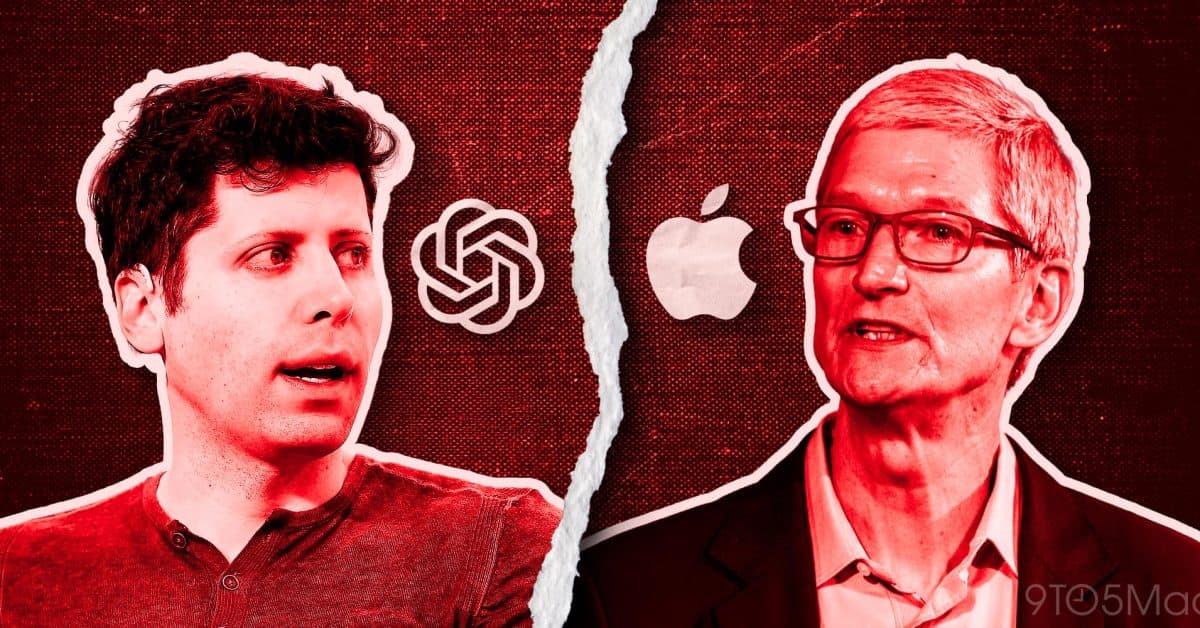
Image: 9to5Mac
OpenAI says it is not aware of evidence backing Apple’s trade secret theft allegations, sharpening the public dispute after Apple sued the company last Friday.
According to 9to5Mac, Apple’s lawsuit accuses OpenAI and several former Apple employees of taking confidential hardware information to support OpenAI’s consumer-device efforts. Soon after the case was filed, Drew Pusateri, OpenAI’s Director of Strategic Communications, said on X that the company has “no interest in other companies' trade secrets” and remains focused on building technology that empowers people.
OpenAI has now expanded on that response in a statement reported by Bloomberg:
“While we take these allegations seriously, we’re not aware of any evidence that this complaint has merit. We believe in fair competition and allowing people the freedom to work wherever they choose, and we’re focused on building innovative technology that empowers people everywhere.”
As 9to5Mac notes, that response rejects Apple’s claims but does not directly address the core accusation. Apple is not arguing that former employees should be barred from joining rivals, something California law generally prohibits. Instead, the company alleges they left with proprietary files, hardware information, and other confidential material.
For now, Apple’s complaint remains the only detailed public account, with what 9to5Mac describes as specific allegations, examples, and supporting documentation. OpenAI has not yet laid out a fuller defense or said what internal steps it may have taken. A more detailed legal response is expected when OpenAI formally answers Apple’s lawsuit.

Recommended reading
Kalshi turns GPU compute into a tradable price curve

Enterprise Editor
Marcus follows the money. He covers enterprise software, cloud architecture, and the tectonic shifts in Big Tech strategy. He translates dense earnings calls and complex M&A activity into actionable insights about where the industry is actually heading. If a tech giant makes a silent pivot, Marcus is usually the first to notice.
via 9to5Mac