• 2 min read
Rostec unveils Spider anti-drone shield for fuel sites
Rostec has presented Spider, a modular protective shell for infrastructure that can withstand a direct drone strike up to 200 kg at 250 km/h.
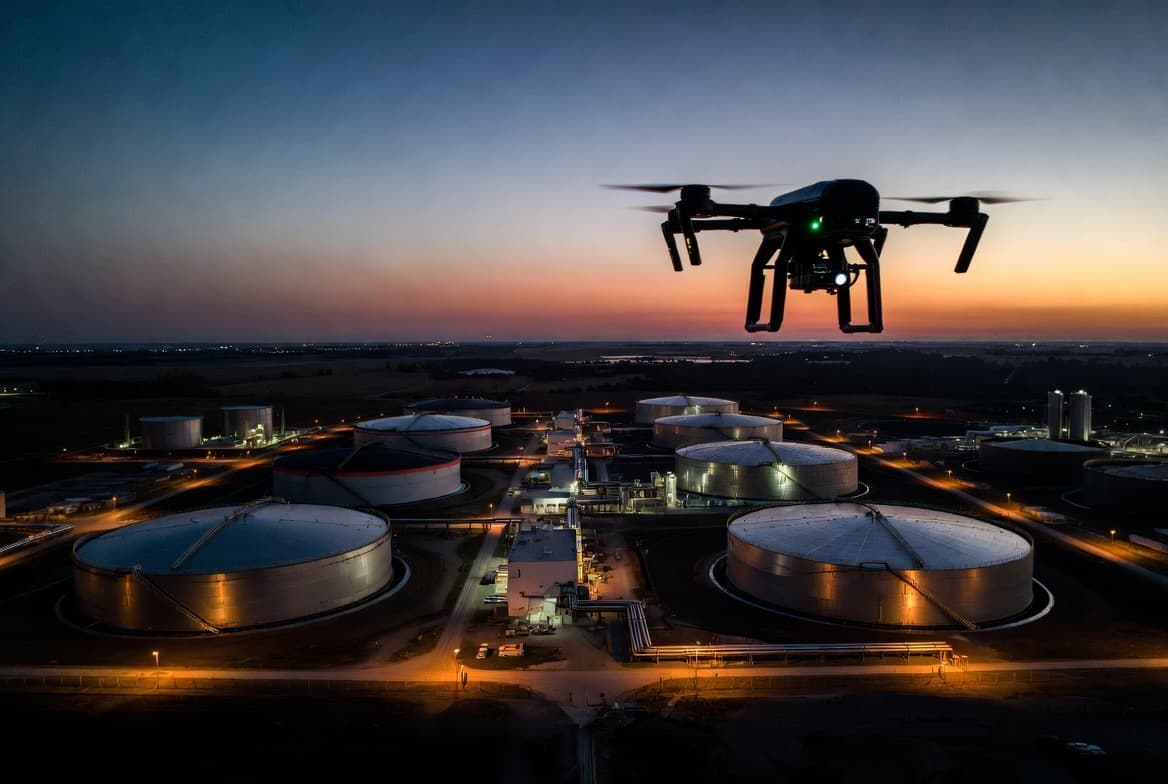
Image: Ссылки Telegram формата t.me перестали открываться в браузер
RT — Project Technologies, part of Rostec, has introduced Spider, a system designed to protect infrastructure from unmanned aerial vehicles. The company presented the development during the state corporation’s regional mission in the Tver Region on July 15, 2026.
The system is built as a set of modular metal structures that form a durable mesh shell around a protected site. In its base configuration, the complex is designed to withstand a direct impact from a drone weighing up to 200 kg and flying at up to 250 km/h.
Spider is intended for fuel and energy sector facilities, including oil storage sites, fuel terminals, electrical substations, warehouses, and other critical infrastructure. According to the developer, it can be used on sites of different scales, including structures taller than 25 m and areas of any size. The system is currently undergoing pilot operation at several fuel and energy facilities.

Recommended reading
Patch WordPress now as wp2shell exploits spread
The structure consists of load-bearing columns, a power mesh, and supports. All components are joined with bolted connections, so installation does not require welding. The developer says this makes deployment possible even in confined spaces and at sites with stricter fire safety requirements.
The design can also be reinforced without a full redesign of the project, giving operators a way to strengthen protection as needed.

Security Editor
Sophia unpacks the invisible wars happening on our networks. Covering cybersecurity, privacy legislation, and cryptography, she exposes how our data is weaponized and defended. Before joining for(geeks), she spent years as a penetration tester. She's the reason the rest of the team uses physical security keys.
via iXBT