• 2 min read
AI datacenters drive climate tech’s best half since 2022
Climate tech startups raised $26.1 billion in H1 2026, up 55 percent, as investors piled into low-carbon datacenters and power for AI.

Image: The Register
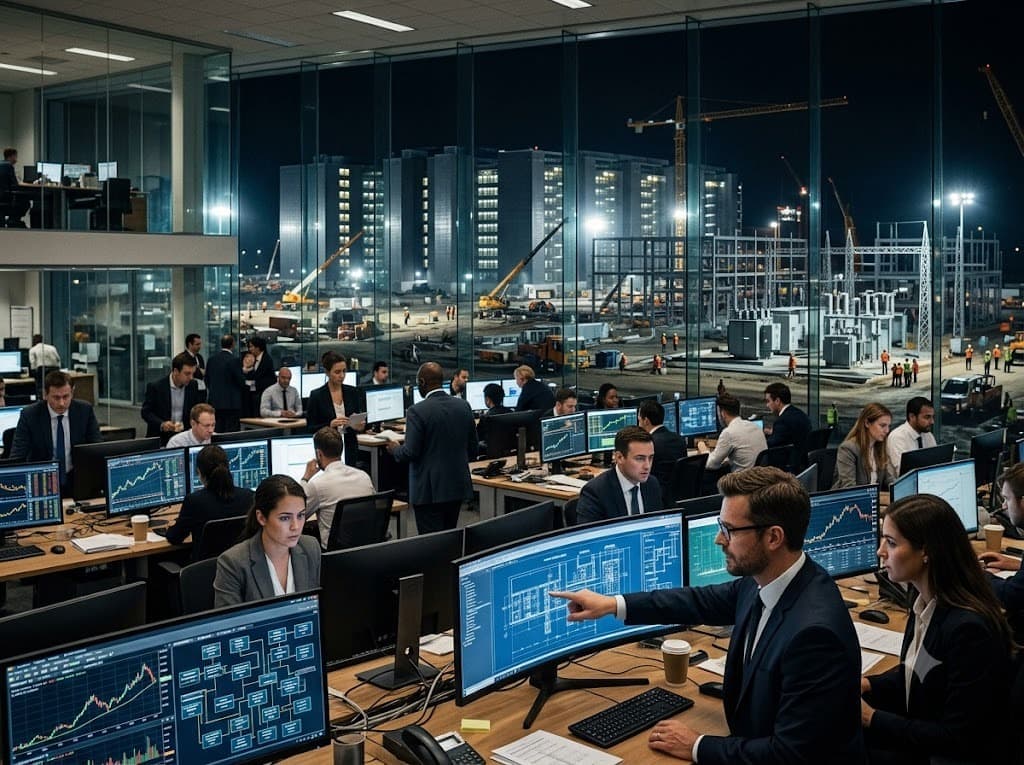
Climate tech venture funding posted its strongest first half since 2022, but the surge was driven less by broad enthusiasm for decarbonization than by the infrastructure needed to keep AI running.
According to investment tracker Currence, climate tech startups raised $26.1 billion in the first six months of 2026, up 55 percent year over year. The biggest shift was into low-carbon datacenter projects, which made up 34 percent of all climate venture funding, versus just 3 percent a year earlier.
Two deals dominated that rush: DayOne’s $4.5 billion round and Nscale’s $2 billion Series C, which together accounted for roughly a quarter of all climate tech investment in the period.
That flood of capital pushed the built environment category to more than eight times its previous level, overtaking energy as the largest climate tech investment vertical. Currence says the change is big enough that it has effectively expanded its definition of climate tech. The firm now includes datacenter developers that rely mainly on clean power or make sustainability central to their business, while excluding conventional facilities and chipmakers.
“Datacenter development is a crowded space, but in the speed-to-power race, clean firm generation can be a distinct advantage.”
Currence argues developers are now judged as much on their route to power as on their racks and real estate. That logic is spilling into adjacent sectors. The report says investors are writing large early-stage checks to nuclear startups years before they are expected to generate electricity, betting AI’s long-term demand for power will support today’s valuations.
Recommended reading
AI boom drives record bank fees in the US
Other categories tied to the AI buildout also climbed:
- Earth observation funding tripled as developers looked for larger pools of real-world data to train models
- Robotics startups working on foundational models, training data, and simulation platforms raised nearly four times as much as the next biggest innovation category
Not every climate segment benefited. Carbon-related equity funding fell 61 percent to its weakest first half since 2020.
The market also became more concentrated. Overall deal count dropped 25 percent even as total funding rose, and the ten largest rounds made up 42 percent of all investment. By Currence’s reading, climate venture capital is starting to look a lot more like infrastructure finance, with money flowing to datacenters, power generation, grid capacity, and anything else that can keep the compute boom switched on.

Enterprise Editor
Marcus follows the money. He covers enterprise software, cloud architecture, and the tectonic shifts in Big Tech strategy. He translates dense earnings calls and complex M&A activity into actionable insights about where the industry is actually heading. If a tech giant makes a silent pivot, Marcus is usually the first to notice.
via The Register