• 2 min read
Musk says AI could outthink humanity in 4-5 years
Elon Musk says artificial intelligence could surpass the combined intelligence of all humanity within 4-5 years, a sharper timeline than his earlier comments about xAI reaching AGI as soon as 2026. The claim landed in re
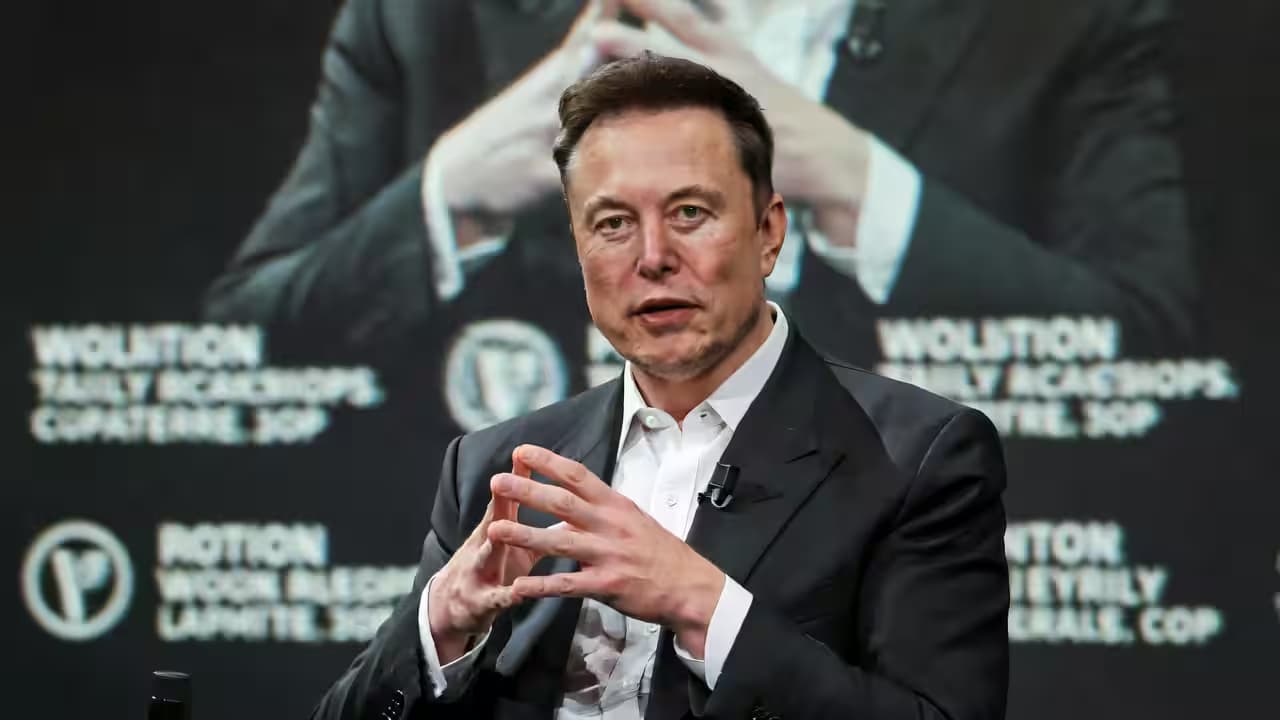
Image: ixbt.com
Elon Musk says artificial intelligence could surpass the combined intelligence of all humanity within 4-5 years, a sharper timeline than his earlier comments about xAI reaching AGI as soon as 2026. The claim landed in response to Peter Diamandis, who argued that humanity’s biggest constraint is no longer just compute or energy, but the number of people able to invent, build, and solve problems.
Musk has been leaning into two very different messages at once: warning that AI could drift into a “Terminator” scenario if developers get reckless, while also pitching a future where robots outnumber people and take care of much of human need. That combination is classic Musk – alarm bells in one hand, utopian promises in the other – and it reflects the industry’s current split between safety fears and aggressive product roadmaps.
Musk’s latest AGI timeline
The updated forecast matters because it tightens the window even further. If AI really does hit a level beyond humanity’s total intellectual output in just a few years, the bottleneck shifts from “can models do it?” to “can institutions keep up?” That is a harder question than scaling one more data center.
- Musk’s current estimate: 4-5 years
- Earlier estimate: possibly 2026
- Target described: AGI at or above human intelligence
Diamandis’s vision of abundance
Diamandis’s post framed abundance as more people, more tools, and fewer limits, especially if humanity expands beyond Earth. It’s a familiar Silicon Valley argument, but the underlying point is practical: innovation scales with access, and access still decides who gets to build the next big thing.

Recommended reading
Sam Altman ridicules Anthropic ad as backlash grows
That is where the real tension sits. AI boosters are talking about a future of near-limitless output, while regulators, rivals, and ordinary users are still trying to figure out who controls the systems, who pays for them, and who gets left behind when the machines get smarter faster than the rules do.
What happens if the forecast is close
If Musk is anywhere near right, the next few years will not be about whether AI can write better code or generate cleaner images. The bigger question is whether companies like xAI, OpenAI, Google, and the rest can turn that capability into something useful without breaking trust, safety, or the labor market on the way there.
The most likely outcome is less cinematic than the “robots take over” crowd imagines and more awkward: AI systems become powerful enough to reshape work, politics, and science long before anyone agrees on what “superintelligent” should even mean. That is probably the part nobody wants to say out loud.

AI Editor
Ava covers the rapidly evolving world of artificial intelligence, from foundational models and research labs to the real-world economics of intelligence. With a background in computational linguistics, she cuts through the hype to find out what actually works. She firmly believes that benchmarks are just marketing until reproduced in the wild.
via ixbt.com