• 3 min read
AI spending sends Wall Street fees to multiyear highs
Goldman, JPMorgan, Morgan Stanley, Bank of America, and Citi posted surging Q2 investment banking results as executives tied demand to AI capex.
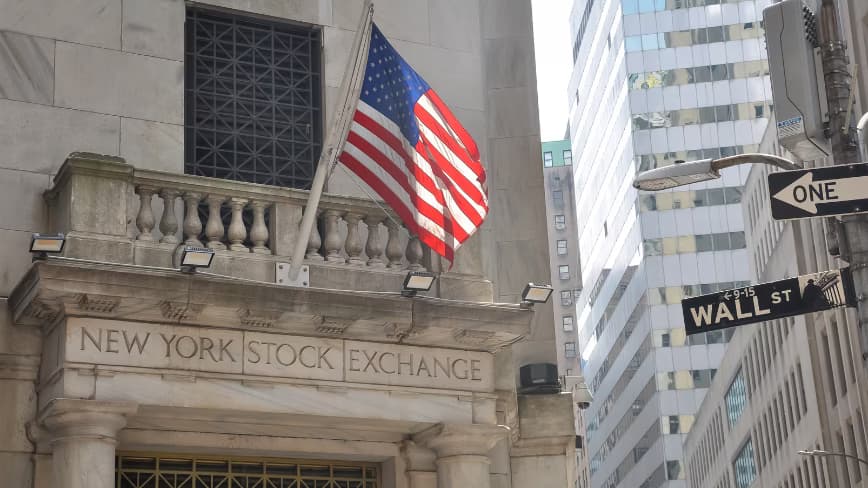
Image: TNW
Wall Street’s biggest banks just posted their strongest investment banking quarter in years, and executives are increasingly describing the boom as an AI infrastructure financing cycle.
Goldman Sachs reported $3.4bn in investment banking fees in the second quarter, a record and 55% higher than a year earlier. On the firm’s 14 July earnings call, chief executive David Solomon said the driver was broad-based.
“We are in the middle of an AI CapEx super cycle where there are demands on financing into every single financing instrument, in every region of the world and across every single industry.”
Within Goldman’s total, equity underwriting jumped 130% to $985m, while debt underwriting rose 75% to a record $1.03bn. The same demand helped pull eight banks into SoftBank’s $40bn OpenAI loan.
Across the rest of Wall Street, the pattern was similar. JPMorgan posted $3.3bn in investment banking fees, up 30% and its highest since 2021. Morgan Stanley rose 58% to $2.44bn, Bank of America climbed 50% to $2.14bn, and Citigroup increased 44% to $1.55bn. Citi, however, switched from reporting fees to reporting revenues this quarter, so the figure is no longer directly comparable with peers.
Data center capex is the core bet
On 15 July, Morgan Stanley CEO Ted Pick said the buildout is still in its early stages, citing internal research that forecasts data centre capital expenditure at roughly $850bn this year, $1.3trn in 2027, and possibly $1.5trn in 2028.

Recommended reading
Sateliot seeks €150M for 5G phones from orbit
“You’re basically looking at us being around 10%-15% of the way through the investment cycle.”
Pick immediately tempered that optimism.
“It’s really early, and I’m not sure we altogether know because of the known unknown element of this. One has to have humility in all of this.”
Jamie Dimon pointed to “AI-driven capital investment, fiscal stimulus and the benefits of more efficient regulation” as tailwinds in JPMorgan’s written results, though on the earnings call he was more restrained: “It’s getting close to as good as it gets. We just don’t know how long it’s going to last.”
At Citigroup, CEO Jane Fraser said AI is now central to client conversations, especially across tech, data center, energy, defense and broader CapEx activity. She cited SK hynix, which priced a $26.5bn American depositary receipt offering on 9 July.
Banks are chasing deals — and passing on some
The quarter also exposed where the risks may be forming. JPMorgan CFO Jeremy Barnum said the bank declined some transactions tied to the data centre boom.
“We passed on some deals. When you look at the data center stuff, the key question is what happens with power supply? What happens with tenants? We saw some deals come through where we were just like, 'Yeah, we’re not doing that.'”
No major bank disclosed a dollar figure for data centre lending or AI infrastructure exposure — not JPMorgan, Goldman, Morgan Stanley, Citi, or Bank of America. Asked directly how much AI contributed to Goldman’s results, Solomon declined to quantify it.
Combined net income across the five largest US banks reached roughly $49bn, up about 39% year on year. But the strongest growth came from underwriting, not classic advisory work: Goldman’s advisory business rose 17%, while Citi’s fell 4%.
As financing volumes grow, structures are becoming more complex. Meta raised $27.3bn in a private placement with Blue Owl and Pimco for a single Louisiana campus, part of more than $40bn placed in that market since November. ICE is building futures contracts on compute, and CoreWeave is trying to hedge memory chips — an asset that still has no market.
Goldman reports again in October. By then, the two questions Barnum raised — power supply and tenants — may say more about the durability of the AI financing boom than the fee totals themselves.
Enterprise Editor
Marcus follows the money. He covers enterprise software, cloud architecture, and the tectonic shifts in Big Tech strategy. He translates dense earnings calls and complex M&A activity into actionable insights about where the industry is actually heading. If a tech giant makes a silent pivot, Marcus is usually the first to notice.
via TNW