• 4 min read
Amazon, UL sued Aipas over fake ebike safety marks
Amazon and UL settled with Aipas-linked companies over false UL safety claims, but ads using UL’s logo kept running on Facebook.
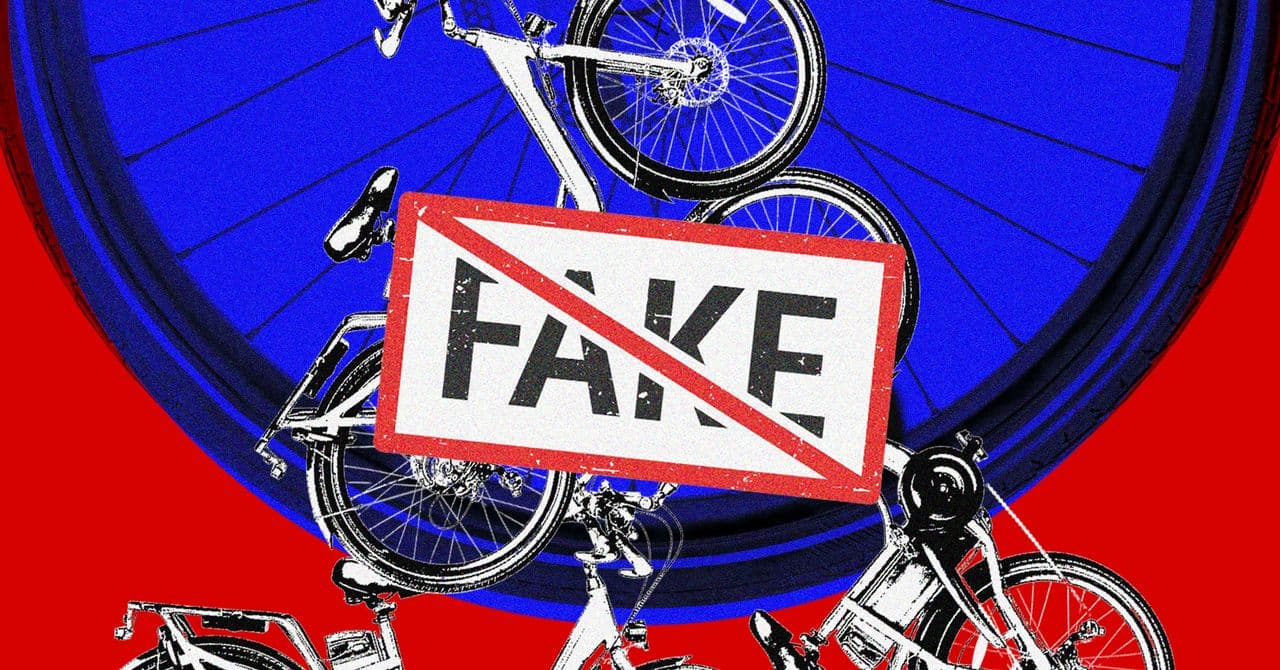
Image: Wired
Amazon and UL reached a legal settlement in July with several Chinese companies tied to the Aipas ebike brand after accusing them of falsely claiming UL certification on Amazon listings and Aipas' website. On July 15, a federal judge approved a permanent injunction barring the companies from using the UL mark or helping others do so.
The defendants were Jiangmen Meijiasheng Bicycle, Hong Kong Manchester International Trading, Shenzhen Aibosi Sport Technology, Guangzhou Aierfeile Sport Technology, and Tang Shuhui, who the lawsuit says was involved in an Amazon selling account. The companies did not admit liability or wrongdoing.
But the problem did not end with the settlement. WIRED found a Facebook account associated with Aipas Ebike still running ads that displayed UL’s red logo, including one served to a reporter in mid-July after the injunction had been agreed. According to Meta’s Ad Library, at least one other ad using the UL mark had been active since April, and another first posted in May disappeared after WIRED asked Aipas and UL for comment.

Recommended reading
Ford resets EV plans with a $30,000 truck for 2027
A spokesperson for Amazon declined to comment. Bradley Carlson, a spokesperson for UL, said the company is “aware and working to resolve” the Facebook ad issue. Aipas Ebike and the lawyer representing the Chinese businesses did not respond.
The case points to a broader safety problem in online marketplaces, especially for ebikes and other micromobility devices that use lithium-ion batteries. A US government report published in April found 45 fatalities between 2017 and 2024 linked to fires involving lithium-ion batteries in mobility devices, including 19 tied to ebikes alone. The New York City Fire Department recorded 277 such fires in 2024, up from 268 in 2023, and linked them to ebikes.
“This is a common problem and has been a common problem for quite some time.”
Fake certification marks on online marketplaces
Gabe Knight, a senior policy analyst at Consumer Reports, said shoppers face a higher risk of fabricated certification claims when buying from third-party sellers on platforms like Amazon.
“Just as consumers are more at risk to buy a counterfeit product, period, from third-party sellers, they are more at risk to buy a product with a fabricated certification mark.”
The Consumer Product Safety Commission signaled growing concern in May, saying misuse of certification marks may be part of broader efforts to evade US safety rules. In June, the agency proposed a federal rule to set mandatory safety standards for lithium-ion batteries used in micromobility products, including ebikes, and is accepting public comments through August.
What Aipas certificates show
UL writes some of the best-known safety standards, but only companies that test products through UL can use its logos. Other government-authorized labs, known as Nationally Recognized Testing Laboratories, can certify products to the same standards.
Documents on Aipas' website indicate that some Aipas ebikes and batteries were later certified by SGS, one of those authorized labs. According to the certificates cited by WIRED:
- In September 2025, an SGS employee certified Aipas lithium-ion batteries to a UL safety standard.
- Later that month, ebikes in the “M” Aipas line were certified.
- At the end of November, ebikes in the “A” and “F” lines were also certified.
But WIRED found that while the battery certificate remains active, the three ebike certificates are inactive. SGS said only that “as a third party, we are not at liberty to discuss the status of a certification.”
As of July, Aipas' website correctly describes its batteries as “SGS Certified” to a UL safety standard, but it still links to the inactive ebike certificates. Mays said an inactive certificate does not automatically mean a product is unsafe; it can lapse after design changes, missed inspections, or a failure to pay for recertification.
That kind of verification is difficult for ordinary buyers. As YouTube reviewer Scott Hardesty, who says he now requires brands to email him UL certificates, put it:
“The average consumer is not going to be able to figure this out.”

Frontier Editor
Dan is our resident futurist, covering electric mobility, space exploration, and the smart home. He's interested in atoms just as much as bits. Whether it's a new battery chemistry, a reusable rocket, or a protocol that finally makes IoT devices talk to each other, Dan breaks down the engineering that pushes humanity forward.
via Wired