• 2 min read
Apple’s hardware lease may skip its cheapest devices
Bloomberg says Apple will launch its new Apple Upgrade leasing program next week, but some lower-cost devices may be excluded.
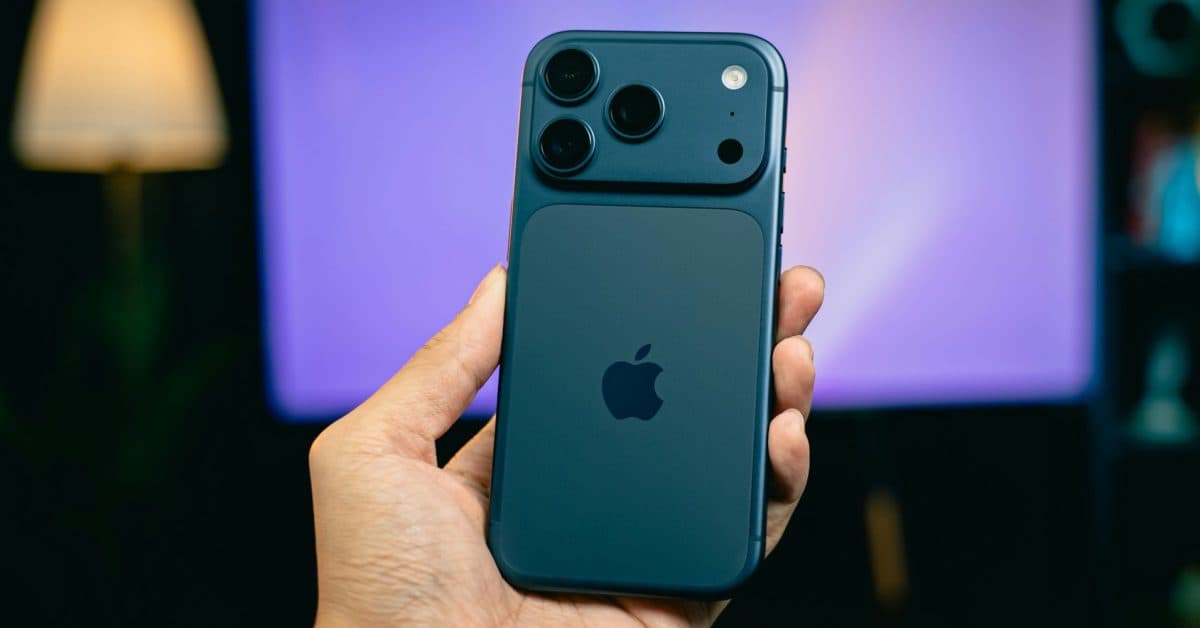
Image: 9to5Mac
Bloomberg reports that Apple is preparing to launch Apple Upgrade, a new monthly hardware leasing program, as soon as next week through the online Apple Store and retail locations.
The idea is straightforward: let customers get new Apple devices on a subscription rather than paying the full price upfront. That could make more expensive products easier to buy at a time when, according to the source, many Apple devices have become more expensive amid the current AI-driven memory crisis. The report also says new iPhone and Apple Watch models due this fall are expected to cost more, alongside the debut of higher-end iPhone Ultra and MacBook Ultra models.
The catch is eligibility. According to Mark Gurman, some devices will not be offered through Apple Upgrade, including the Apple Watch SE, entry-level iPad, iPhone 16, and MacBook Neo.
That limitation could undercut the program’s appeal. Lower monthly payments on entry-level devices would be one of the clearest ways to bring in buyers who see Apple hardware as out of reach. The source argues that a device like the MacBook Neo could become far more attainable if it were available for around $20 per month.

Recommended reading
Women Are Falling Behind on AI at Work
Apple has not announced final terms yet, and Bloomberg’s report leaves room for details to change. But if the company limits the leasing plan to pricier products, Apple Upgrade may end up making upgrades easier for existing customers more than it expands access to Apple’s cheapest hardware.

Enterprise Editor
Marcus follows the money. He covers enterprise software, cloud architecture, and the tectonic shifts in Big Tech strategy. He translates dense earnings calls and complex M&A activity into actionable insights about where the industry is actually heading. If a tech giant makes a silent pivot, Marcus is usually the first to notice.
via 9to5Mac