• 2 min read
Apple Watch can dry itself after a swim
Apple Watch’s Water Lock blocks false touches in water, then uses speaker pulses to push moisture out after swimming or rain.
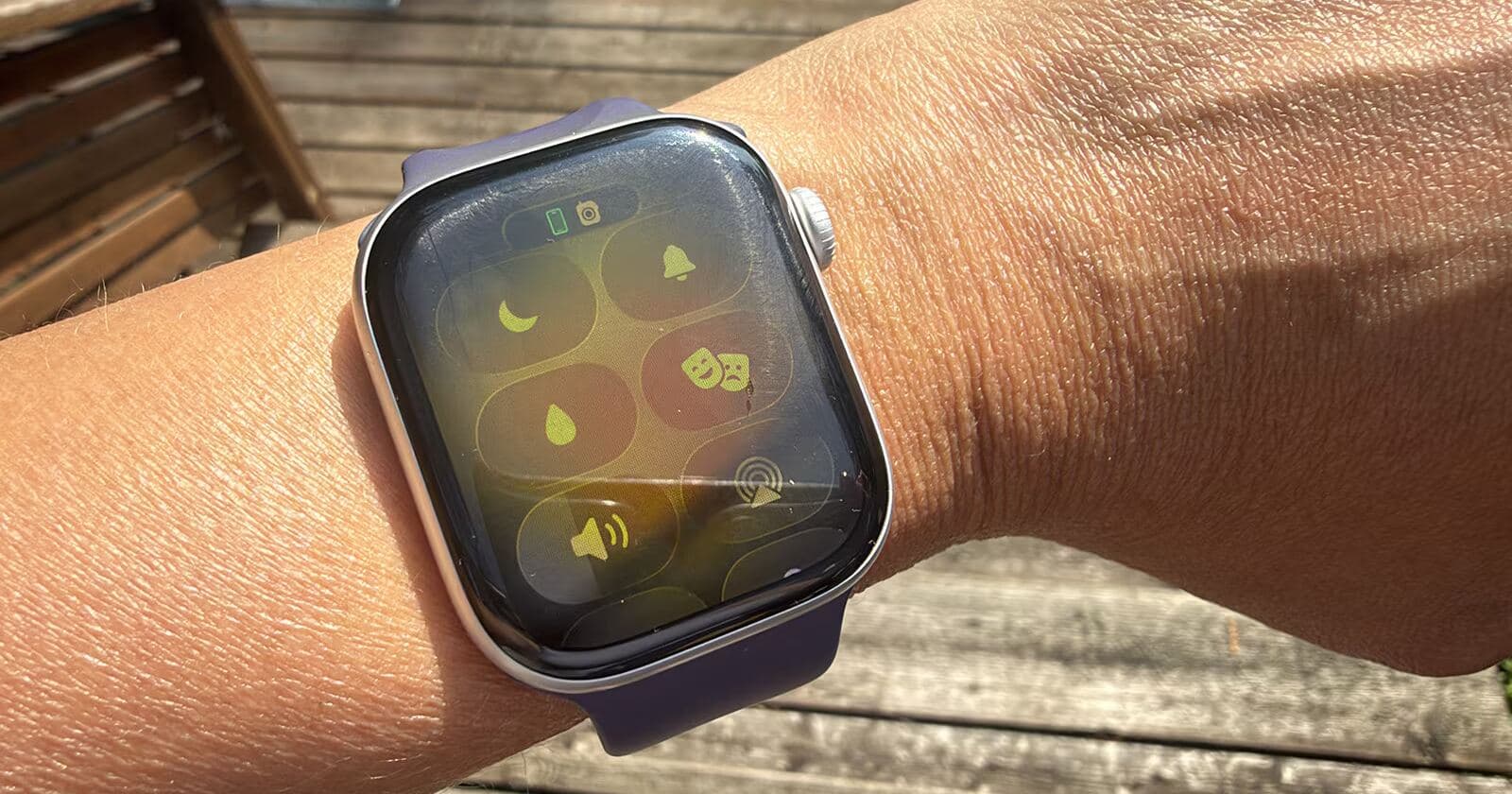
Image: ITzine
Apple Watch doesn’t just survive water exposure — it also has a built-in way to push water back out. The feature, called Water Lock, first disables the touchscreen so drops, splashes, or bubbles do not register as taps. Then, when the wearer presses and holds the Digital Crown, the watch starts a short clearing process that helps remove moisture from the speaker.
That does not mean the watch is fully waterproof. Like most smartwatches, Apple Watch offers water resistance, not permanent sealing. Wearables often carry ratings such as IP68 or similar levels that can handle brief contact with water, but those ratings do not stop seals from aging or remove the need for normal maintenance.
In practice, the logic is simple: the faster moisture is cleared from the case, the lower the chance it remains inside and causes problems later. Apple’s system works in two steps:
Recommended reading
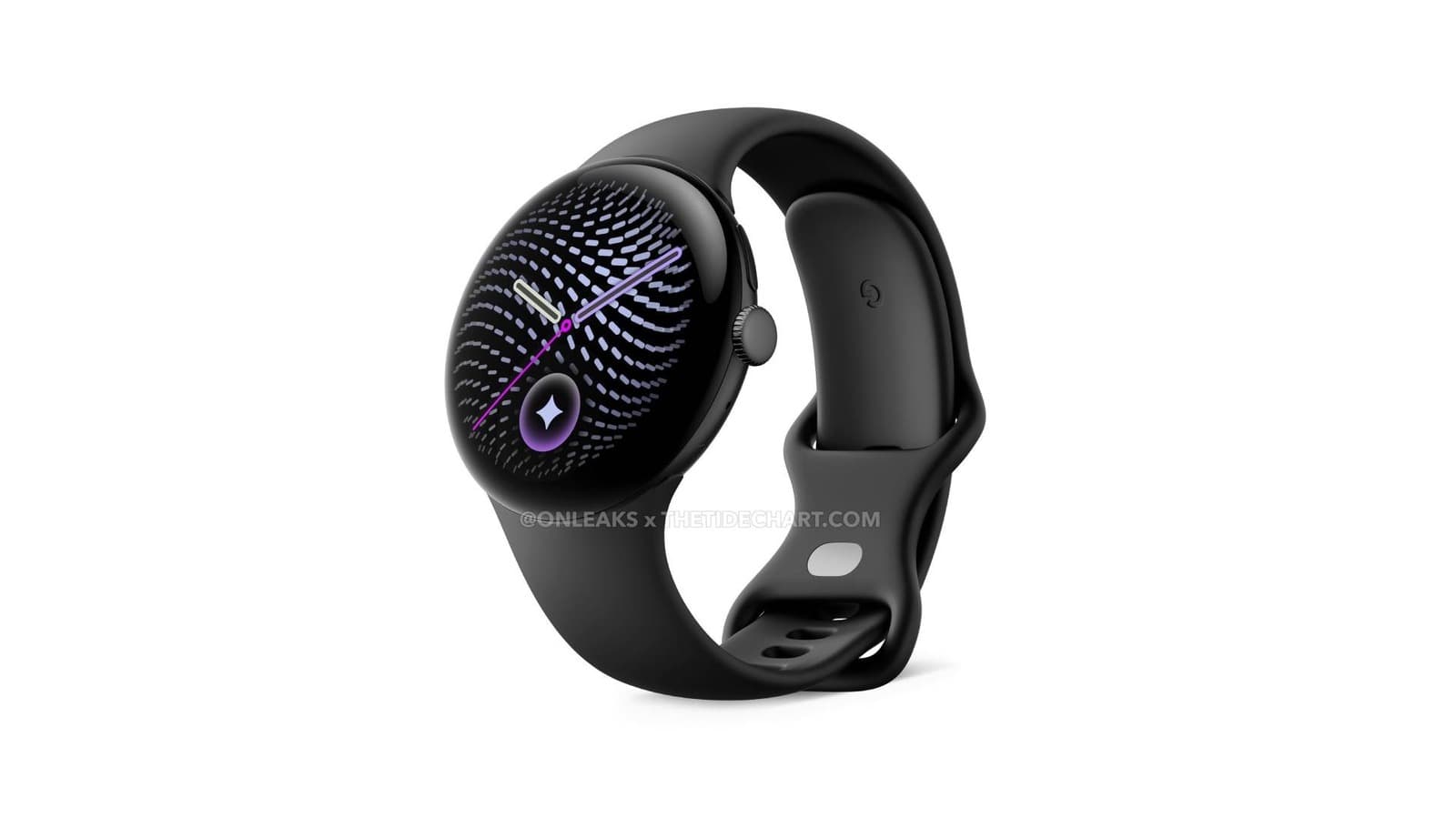
Pixel Watch 5 leak shows four colors and a $399 start
- Water Lock turns off the touch display
- Holding the Digital Crown starts a speaker-clearing cycle
- The speaker emits rapid sound pulses that push droplets out through the openings
The process runs in several cycles rather than one short burst. The watch pauses between pulses, lets the water shift, and then pushes again. That is why Apple requires the Crown to be held for a few seconds — it reduces accidental activation and gives the cleaning process time to finish.
The mode has been available on Apple Watch since Series 2. On newer models, it can switch on automatically during water workouts such as swimming or surfing. On Apple Watch Ultra, Ultra 2, and Ultra 3, the use case is broader because those models are designed for deeper immersion. Standard Apple Watch models, however, are not meant for diving.
Water Lock is useful beyond the pool. It can also be turned on manually after a shower, a run in the rain, or even washing dishes. The same basic approach is used by Samsung and Garmin: lock the screen during swimming, then help remove water from the speaker. The goal is the same across all of them — stop a wet interface from acting on its own and avoid leaving moisture inside the case.

Gadgets Editor
Eli is obsessed with the tangible future. He reviews phones, wearables, and everything with a battery. Known for his rigorous testing protocols and unabashed teardowns, Eli has broken more review units than he cares to admit, all in the name of discovering the truth about durability and repairability.
via ITzine