• 3 min read
China’s AI agent phones hit a familiar roadblock
New phones from Nubia, Honor and StepFun promise voice-led tasks across apps, but platform access remains the biggest obstacle.
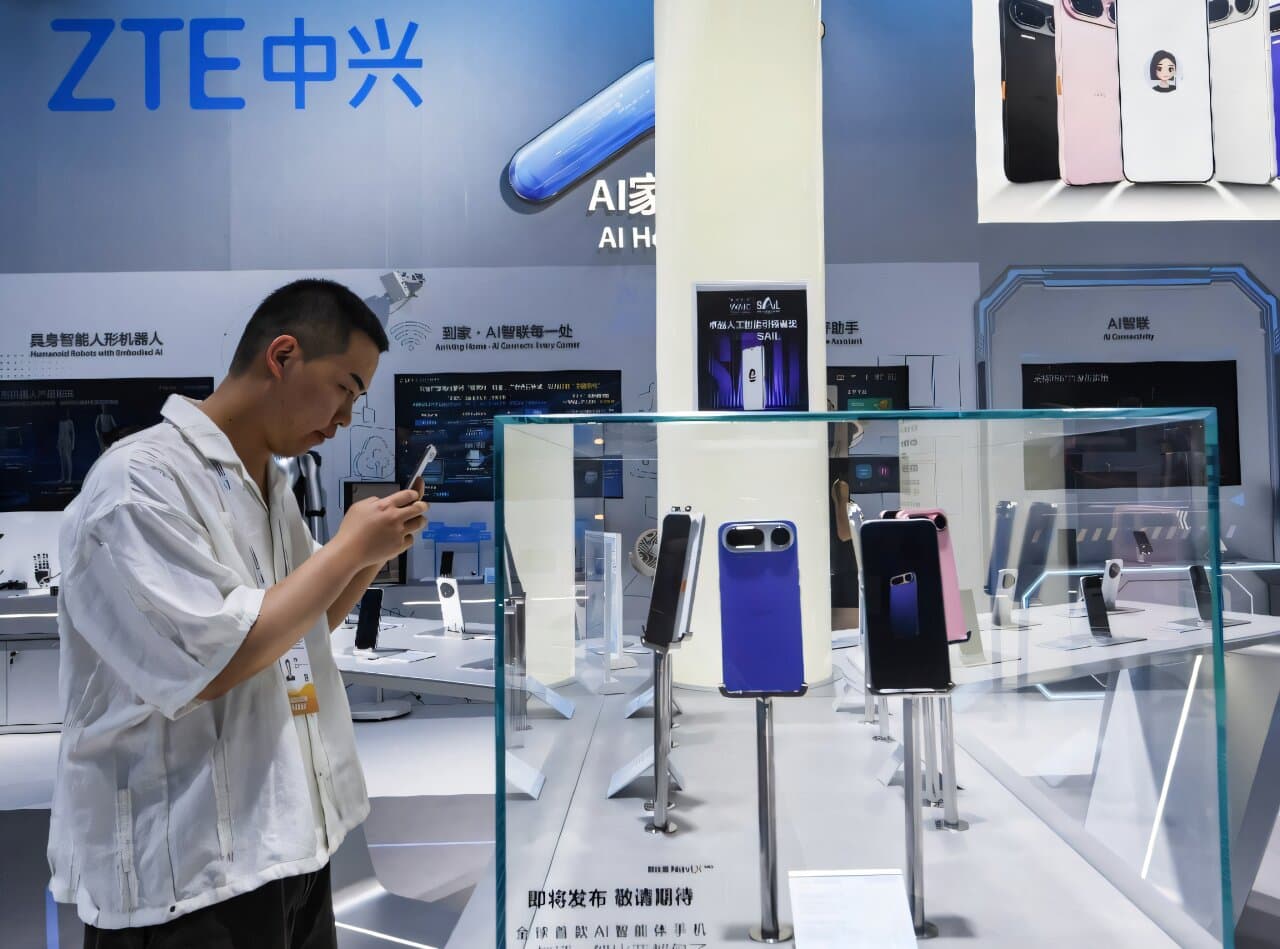
Image: TechXplore
At least three Chinese companies used the World Artificial Intelligence Conference in Shanghai this weekend to show off phones built around AI agents—systems meant to handle tasks like ordering food, comparing prices, or composing messages from a simple voice command. The pitch is straightforward: let the phone act on your behalf across services, instead of making you tap through individual apps.
Nubia unveiled the NaviX Ultra, powered by Doubao, the popular chatbot from ByteDance, the company behind TikTok. Nubia said online that “a new era of AI agent smartphones begins.” The idea is not entirely new: a limited run of a prototype called the “Doubao Phone” sold out quickly in December.
That earlier device could initially follow simple voice commands across apps, including food ordering and shopping price comparisons. But major Chinese tech companies including Alibaba, Tencent and JD.com soon restricted the assistant’s access to their platforms. That effectively crippled the phone’s agent, and ByteDance disabled the feature in some cases, including when payments were involved.
Recommended reading
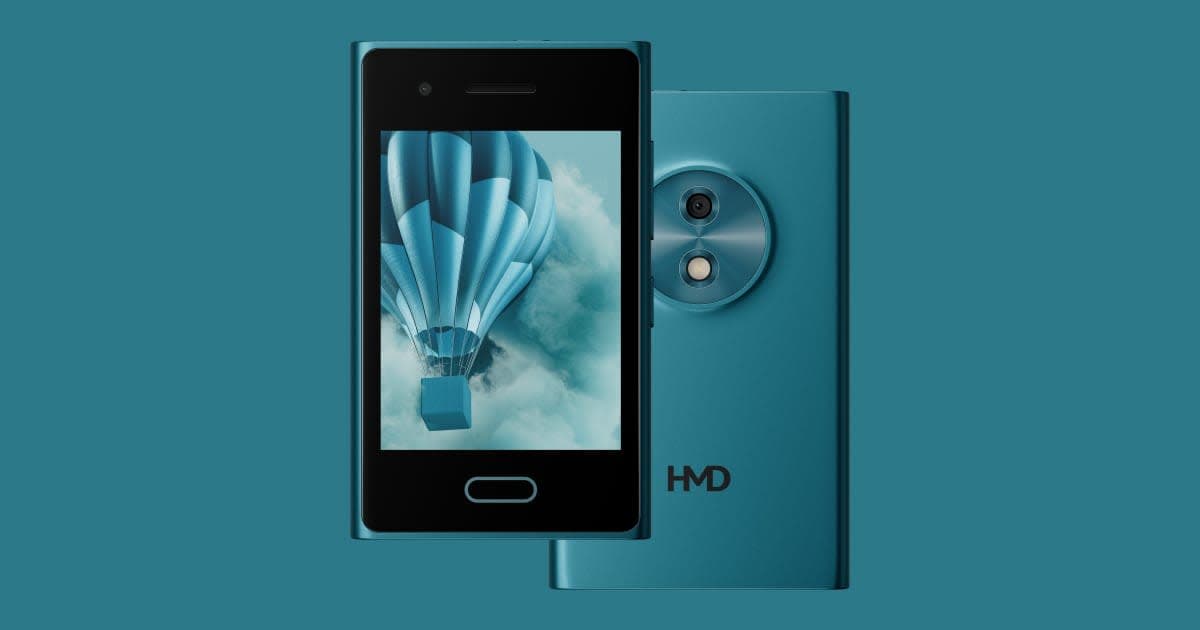
HMD Touch 4G blurs the line between feature and smartphone
App access remains the core problem
That tension is the central obstacle for agentic phones. Kiranjeet Kaur, associate research director at IDC, said broad access to apps owned by other companies is a sticking point because platforms want to keep direct contact with users.
“Agenting is everyone’s dream, but we haven’t reached there yet.”
According to Chinese tech media, the NaviX Ultra does not try to force entry into apps and instead aims to work with them. AFP said it had contacted Nubia for comment.
Honor also showed an AI system for its “Robot Phone,” which has an interactive camera mounted on a small robotic arm. The company said the “companion-centric” device can interpret gestures, move to musical rhythms, take selfies, and stabilize video. Honor told AFP that an agent using several AI models, some co-developed with Alibaba, will be built into the phone when it goes on sale later this year.
Shanghai-based startup StepFun introduced the STEPX Neo, which it called an “AI agent-native smartphone,” ahead of the conference. In a sponsored article from Xinhua, chairman Yin Qi said the company had formed “deep partnerships” with major Chinese platforms including Alipay and Didi. Xinhua said those integrations would let the phone support travel bookings, purchases, local services, office work, and video editing.
Outside China, Google is adding more advanced assistant features to smartphones, including appointment booking. Brain Technologies launched its “Natural AI Phone” in Japan in April with SoftBank Corp. In an AFP demo that month, the phone used a voice command to message a contact on LINE to apologize for being late, though it also frequently failed to complete requests.
Marc Einstein of Counterpoint Research said there is “no clear winner” in the category yet, but predicted that in five or 10 years people will no longer use apps on phones “like we do today.”

Gadgets Editor
Eli is obsessed with the tangible future. He reviews phones, wearables, and everything with a battery. Known for his rigorous testing protocols and unabashed teardowns, Eli has broken more review units than he cares to admit, all in the name of discovering the truth about durability and repairability.
via TechXplore