• 2 min read
Apple Watch Water Lock does more than mute the screen
Apple Watch Water Lock disables touch input and uses speaker vibrations to expel water after a swim, helping reduce moisture inside the device.
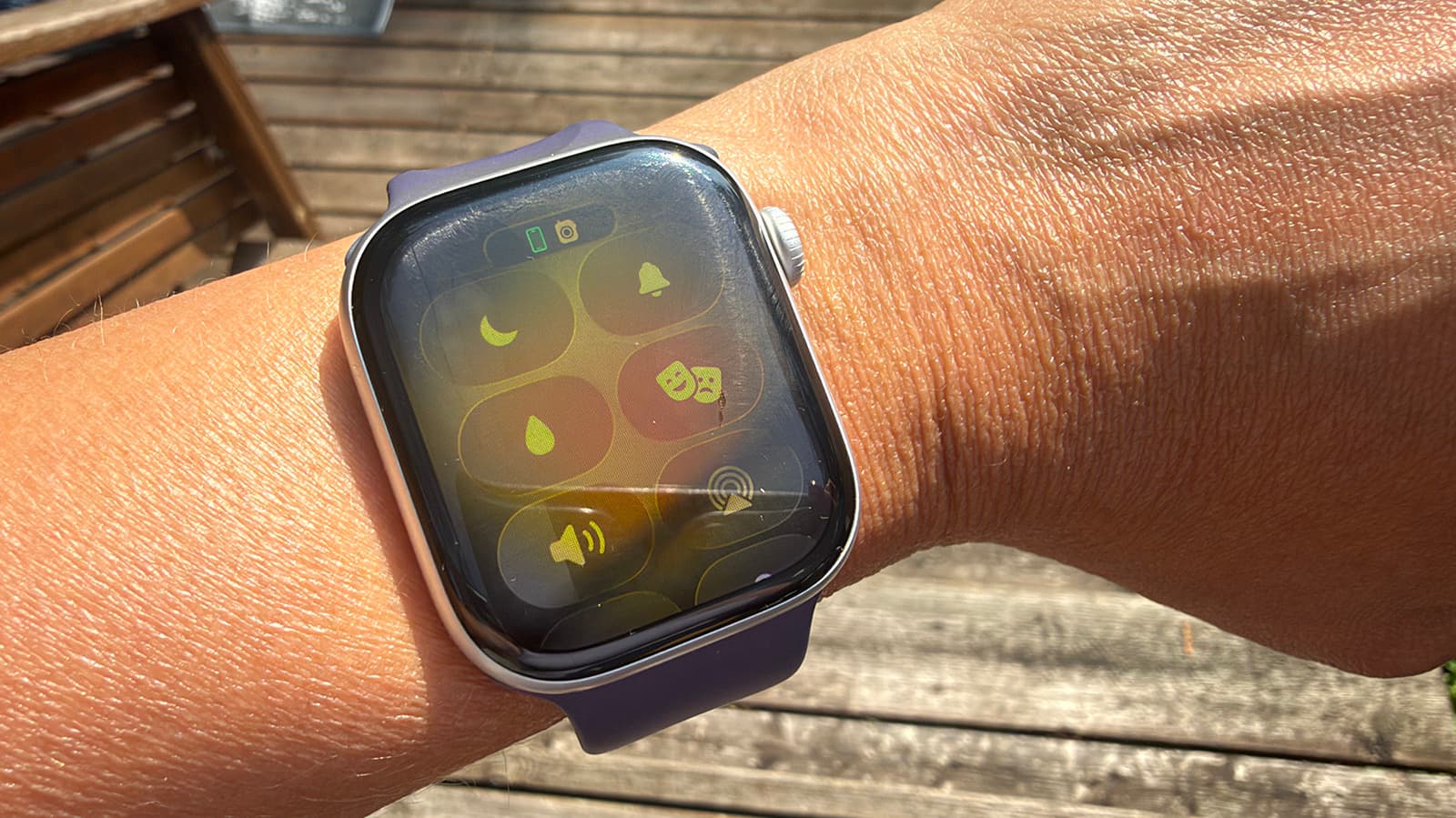
Image: Engadget
Apple’s Water Lock feature does two jobs at once: it prevents accidental screen taps in the water, and it helps push moisture out of the watch through the speaker openings once you’re done. For Apple Watch owners who swim, shower or get caught in the rain, it’s one of the device’s most practical features.
Most smartwatches are water-resistant, not fully waterproof, and even with ratings like IPX8 or IP68 there’s still a chance of damage if water lingers inside. Engadget notes that Water Lock is especially useful because it not only disables the display while submerged, but also actively ejects water afterward. The feature is supported on all Apple Watch models from Series 2 onward.
It also turns on automatically during water workouts such as swimming or surfing. According to the source, it works during scuba diving as well on the Apple Watch Ultra, Apple Watch Ultra 2 and Apple Watch Ultra 3; standard Apple Watch models are not intended for deep diving.
To enable Water Lock manually, press the side button to open Control Center, then tap the water droplet icon. While it’s active, the touchscreen won’t respond. To turn it off, press and hold the Digital Crown. The watch then starts a water-ejection sequence, playing a series of tones and vibrating the speaker system to force water out through the tiny side openings.
That process happens in repeated bursts rather than one quick blast, which is why Apple requires a sustained press instead of a tap. Engadget describes visible droplets streaming from the speaker holes during the cycle.
Recommended reading
Camera earbuds take aim at smart glasses
The feature is most obvious for swimmers, but it can also help after dishwashing, showering or running in the rain. If you skip it, the watch will probably still be fine if it has a strong water-resistance rating, but lingering moisture may increase the risk of long-term damage. That matters because water resistance weakens over time on any device, and reducing exposure to trapped water — especially after a dip in a chlorinated pool — could help extend the life of the watch.

Gadgets Editor
Eli is obsessed with the tangible future. He reviews phones, wearables, and everything with a battery. Known for his rigorous testing protocols and unabashed teardowns, Eli has broken more review units than he cares to admit, all in the name of discovering the truth about durability and repairability.
via Engadget