• 3 min read
Camera earbuds take aim at smart glasses
A new wearable category is emerging: open-ear and bone-conduction headsets with built-in cameras, betting users want face computers without glasses.
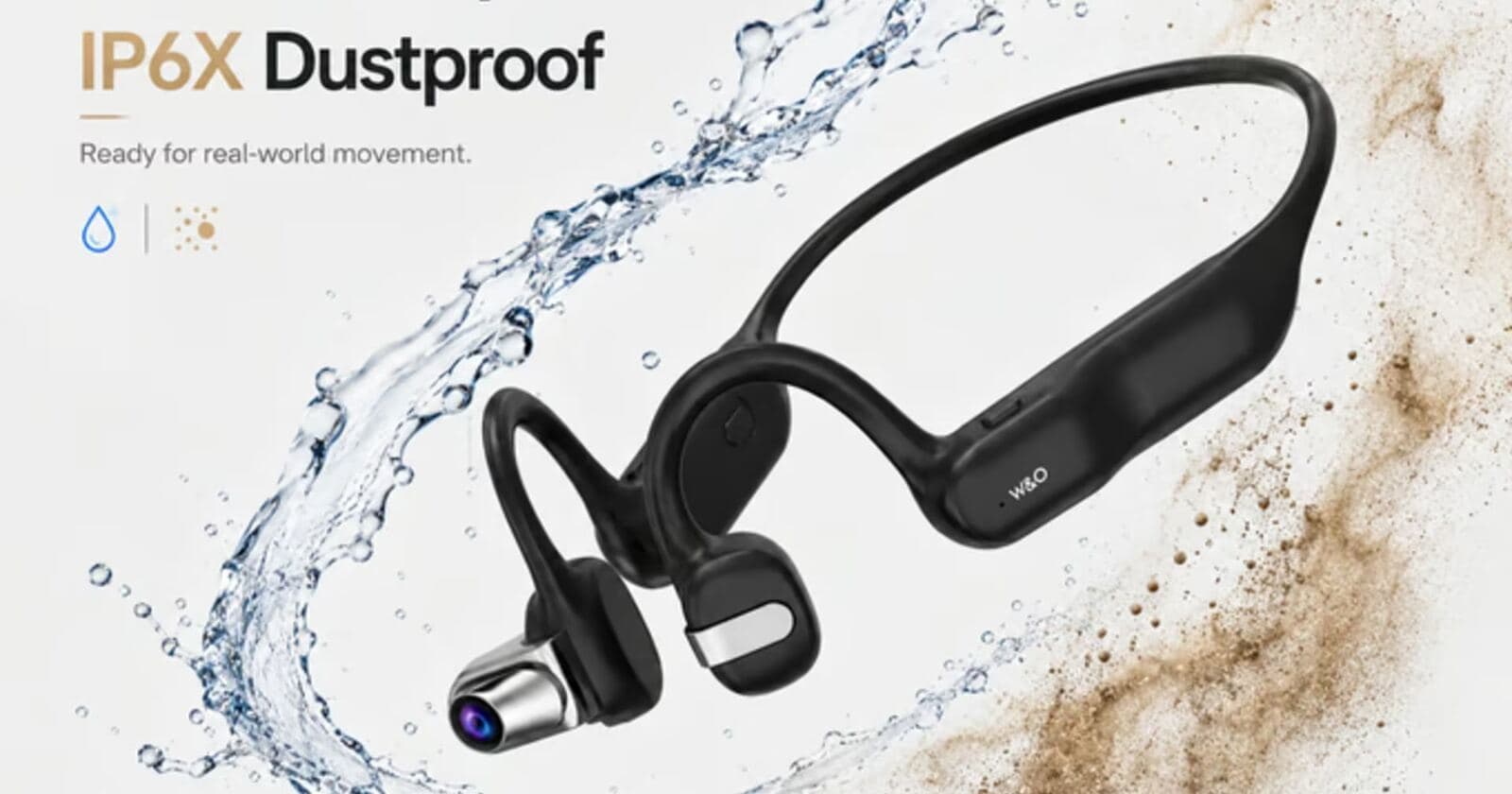
Image: gizmodo
Wearable makers are testing a new hybrid: smart-glasses features are moving into open-ear headphones with cameras and bone-conduction headsets. Instead of a camera in a glasses frame, the hardware sits on the ear, with speakers near the temples and a camera module on the side. It looks unusual, but the idea is straightforward: sell a “computer on your face” to people who do not want to wear glasses.
A recent example is Auriview X1. The company calls it an “AI headset with bone conduction”. It resembles sporty open-ear headphones, but with a built-in 4K camera on the side. That camera is not just for photos and video: it also powers computer vision use cases such as object recognition, AI prompts, and voice interaction with the surrounding world.
According to Auriview, the X1 lasts up to 30 hours in music playback mode. By comparison, second-generation Ray-Ban Meta glasses usually last noticeably less, especially when playing audio and using the camera frequently. On paper, that is one area where camera earbuds could beat smart glasses.
Recommended reading
Reproductor RP-300BT brings direct drive to budget vinyl
This no longer looks like a one-off oddity. In recent months, similar devices have appeared from Rollme, Mozin, and several lesser-known brands. Rollme Aircam is pitched as “3-in-1 AI camera earbuds” and emphasizes both capture and audio with 16 mm drivers. Mozin Fold M1 Pro follows the same idea and is priced at $299. That suggests a small but visible category is forming, not just an isolated prototype.
The market is pushing companies toward these experiments. After the success of Ray-Ban Meta, more brands seem convinced that camera-equipped wearables can appeal to mainstream buyers again. Over the past two years, Meta has turned its glasses from a curiosity into a notable product, while Google and Samsung are building out their own Android XR ecosystem. With major players already teaching consumers why they might talk to a gadget on their face, smaller brands are looking for alternate form factors.
Open-ear headphones also have an existing user base. Even without cameras, the segment has grown well: Shokz and similar brands have familiarized buyers with headsets that leave the ears open and work for sports, walking, and outdoor use. Adding a camera there may be easier than convincing someone to wear glasses they would never normally use. That is especially true in Asia, where experimental gadget formats tend to gain traction faster.
The tradeoff is obvious. Glasses at least look like a normal accessory, while a headset with a protruding camera can look more like a prototype that shipped too early. In public, the design does not hide the device — it makes it more conspicuous. For some buyers, that alone could be the main deal-breaker.
There is also the privacy question. Smart glasses have long faced criticism because a face-mounted camera can record people almost unnoticed. That is why Meta, Snap, and others added recording indicator lights. It is not a perfect fix, but it gives nearby people a clear signal. The new camera headsets have not focused much on that issue, even though the concern remains. In some situations, headphones may even seem more suspicious: people expect music in someone’s ears, not a camera lens.
For now, this market is driven mostly by little-known brands and crowdfunding, so it is too early to call it a mainstream hit. But the direction is clear: hardware makers are trying every possible post-smartphone interface, from glasses to clips, brooches, and now camera earbuds. Back in 2023, the industry was still debating whether anyone wanted AI glasses. By 2026, the question has shifted to which object on the body should hold the camera and microphones.

Gadgets Editor
Eli is obsessed with the tangible future. He reviews phones, wearables, and everything with a battery. Known for his rigorous testing protocols and unabashed teardowns, Eli has broken more review units than he cares to admit, all in the name of discovering the truth about durability and repairability.
via ITzine