• 2 min read
ChatGPT now shows Kalshi odds for 2026 World Cup queries
OpenAI has quietly added Kalshi prediction-market odds to some ChatGPT Search answers about the 2026 World Cup, according to The New York Times.
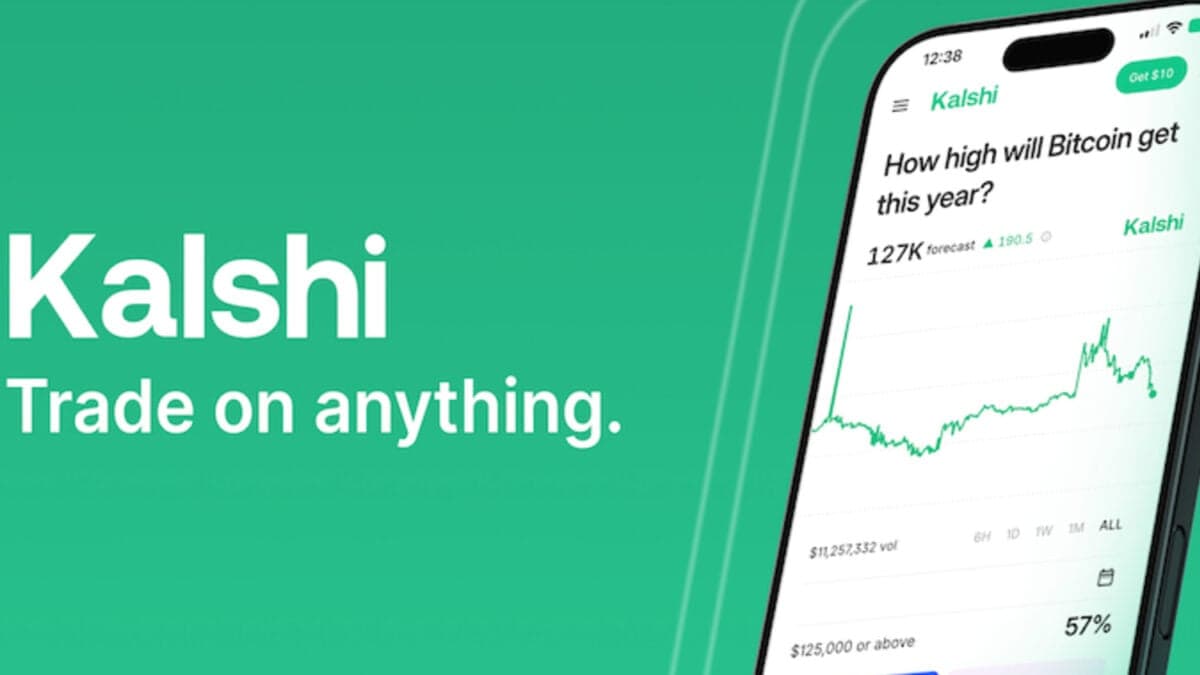
Image: Gizmodo
OpenAI has quietly partnered with Kalshi to surface prediction-market odds inside ChatGPT answers about the 2026 World Cup, according to The New York Times. The arrangement has not been publicly announced, and while responses using the data are labeled “Source: Kalshi”, they do not say whether the placement is part of a paid deal or sponsorship.
On a help page for ChatGPT Search, OpenAI says: “For queries related to the 2026 World Cup, ChatGPT may show predictive information sourced from Kalshi to provide timely context about upcoming matches. If and when this information appears, it will always be clearly labeled with 'Source: Kalshi.'”
OpenAI’s own advertising documentation says ads in ChatGPT appear below the end of a response, are clearly labeled as sponsored, and are visually separated from the answer itself. That suggests OpenAI does not classify the Kalshi integration as straightforward ad placement.
The company also says the odds are for “informational purposes only” and notes in its usage policies that users cannot place bets through ChatGPT. Still, Kalshi’s data is fundamentally tied to gambling markets: it reflects what users are wagering money on and is primarily useful to others doing the same.
Recommended reading
Kodak’s $100 cameras keep outselling Sony and Canon
The deal fits a broader push by Kalshi to distribute its market data more widely. Late last year, the company — which says it wants to let users “trade on anything” — signed similar data deals with CNN and CNBC, both of which have since integrated that information into their platforms.
That expansion comes as prediction markets draw more mainstream attention, even as most users appear to lose money. A recent study of bettors on Polymarket, a Kalshi competitor, found that since 2022, about 70% of accounts posted a net loss, while 77% of all winnings went to the top 1% of users.
Gizmodo said it contacted both OpenAI and Kalshi for more information about the apparent partnership but did not receive a response by publication.

Computing Editor
Tomas lives in the terminal. He covers chips, laptops, and operating systems with a focus on performance and efficiency. He reads kernel changelogs the way other people read fiction, and he's always on the hunt for the perfect mechanical keyboard switch. If it processes data, Tomas has an opinion on it.
via Gizmodo