• 2 min read
How Clair Obscur’s small dev team used Unreal Blueprints to create a complex RPG
Clair Obscur: Expedition 33 stands out not just for its rich role-playing experience but also for how it was developed – primarily using Unreal Engine’s Blueprint system rather than traditional coding. At this year’s Gam
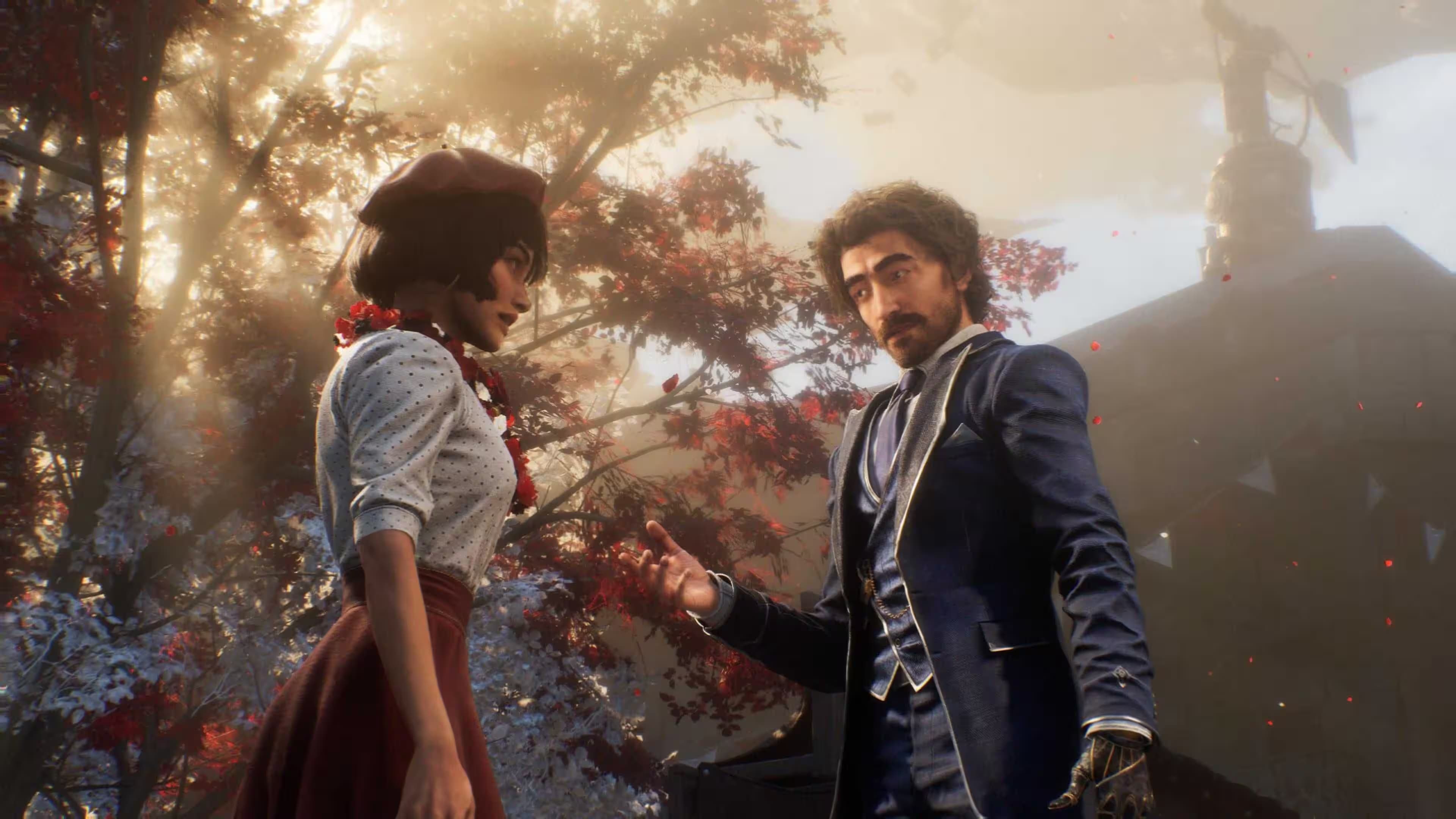
Image: polygon.com
Clair Obscur: Expedition 33 stands out not just for its rich role-playing experience but also for how it was developed – primarily using Unreal Engine’s Blueprint system rather than traditional coding. At this year’s Game Developers Conference, Sandfall Interactive revealed that 95% of Clair Obscur’s gameplay mechanics were crafted through Blueprints by a team of just four programmers.
Blueprints are Unreal Engine’s visual scripting tool, allowing developers to assemble gameplay features via pre-built nodes instead of extensive hand-coded programming. This approach proved essential for Sandfall Interactive, enabling designers to actively contribute to gameplay systems and accelerating development with minimal C++ code. The studio’s small team harnessed this tool to build everything from turn-based combat mechanics to the game’s overworld systems.
This heavy reliance on Unreal Blueprints brought clear benefits. Designers could iterate and implement new ideas without constant programmer intervention, improving workflow and game stability. However, it also introduced challenges: debugging became more complex, and some memory management issues surfaced due to how Blueprints handle underlying processes.

Recommended reading
Sam Altman ridicules Anthropic ad as backlash grows
To overcome these hurdles, Sandfall Interactive still incorporated original C++ code for optimization and experimental features, blending Blueprint efficiency with traditional performance tuning. Their work demonstrates how smaller studios can creatively leverage existing engines, producing expansive RPG titles without extensive coding teams.
One quirky detail shared during the panel was about the main character, Esquie. Although Esquie encounters water in the game, from a technical standpoint, he never truly “swims.” Instead, the team admitted he’s either walking on a disguised surface or perpetually in a default swimming state – the exact behavior remains ambiguous, adding a curious layer to the game’s design constraints.
Sandfall’s presentation was upfront about not prescribing their method as the definitive way to build games but simply sharing their experience. Their journey is a powerful example of how Unreal Engine’s Blueprint system democratizes creation, enabling deep, feature-rich RPG titles even from lean teams. At the very least, it serves as a strong example of Blueprint’s role in shaping indie game development today.

AI Editor
Ava covers the rapidly evolving world of artificial intelligence, from foundational models and research labs to the real-world economics of intelligence. With a background in computational linguistics, she cuts through the hype to find out what actually works. She firmly believes that benchmarks are just marketing until reproduced in the wild.
via polygon.com