• 2 min read
Decoy Font hides text from AI in plain sight
Mixfont’s free TTF overlays two letters in one glyph so humans can read one message while image-reading models often see another.
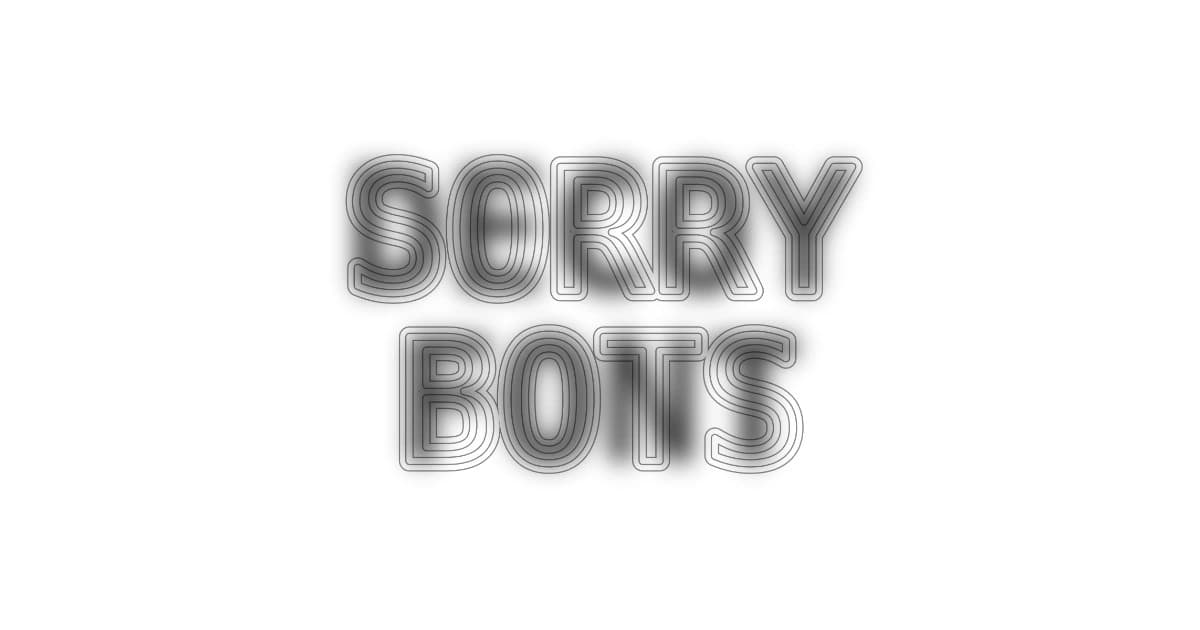
Image: Hacker News
A new free TTF font from Mixfont is designed to show one message to humans and a different one to AI systems reading an image. Called Decoy Font, it embeds a hidden letter and a decoy in the same character shape using a visual illusion based on spatial frequency.
According to Mixfont, each glyph combines thin foreground outlines with a blurred, low-frequency background mass. Viewed up close, the outlined foreground tends to dominate. From farther away — or when squinting — the hidden message becomes easier for a person to read.
The project’s pitch is straightforward: many models read text in images by focusing on pixel-level detail, which makes them more likely to pick up the decoy text instead of the intended one. Mixfont says this is enough to confuse systems including ChatGPT, GPT Sol, and Gemini 3.5 with Thinking in some tests, including when the font is shown in screenshots.
The idea comes from hybrid images, the long-studied optical illusion technique behind images such as Albert Einstein and Marilyn Monroe blended together. Mixfont applies the same concept to typography to make text harder for AI and OCR systems to parse.
Decoy Font is based on DejaVu Sans Mono letterforms and is free to use in personal, commercial, and client projects, with terms covered by the font license. Mixfont frames it as an anti-AI font aimed at obscuring text in images and deterring scraping or casual observation, while also acknowledging its limits: models with stronger tooling or the right prompting may still decode the hidden message.
Recommended reading
Photoshop AI tools make editing easier for beginners
Mixfont also points to possible uses in captchas, private messages, and future support for more languages, including Chinese, where similarly sized characters could make the technique easier to apply. The font is available to download now, along with a browser-based playground for testing different letter combinations.

Design & UX Editor
Yuki believes that a great product is defined by how it feels. She critiques software interfaces, hardware ergonomics, and the philosophy of design in tech. With a background in industrial design, she analyzes the subtle decisions that make tools intuitive or infuriating. She advocates for accessible, human-centric technology.
via Hacker News