• 2 min read
Satellite startups pull $8.1B in half a year
Satellite companies raised $8.1 billion in the first half of 2026, already topping any full-year result tracked by Space Capital.

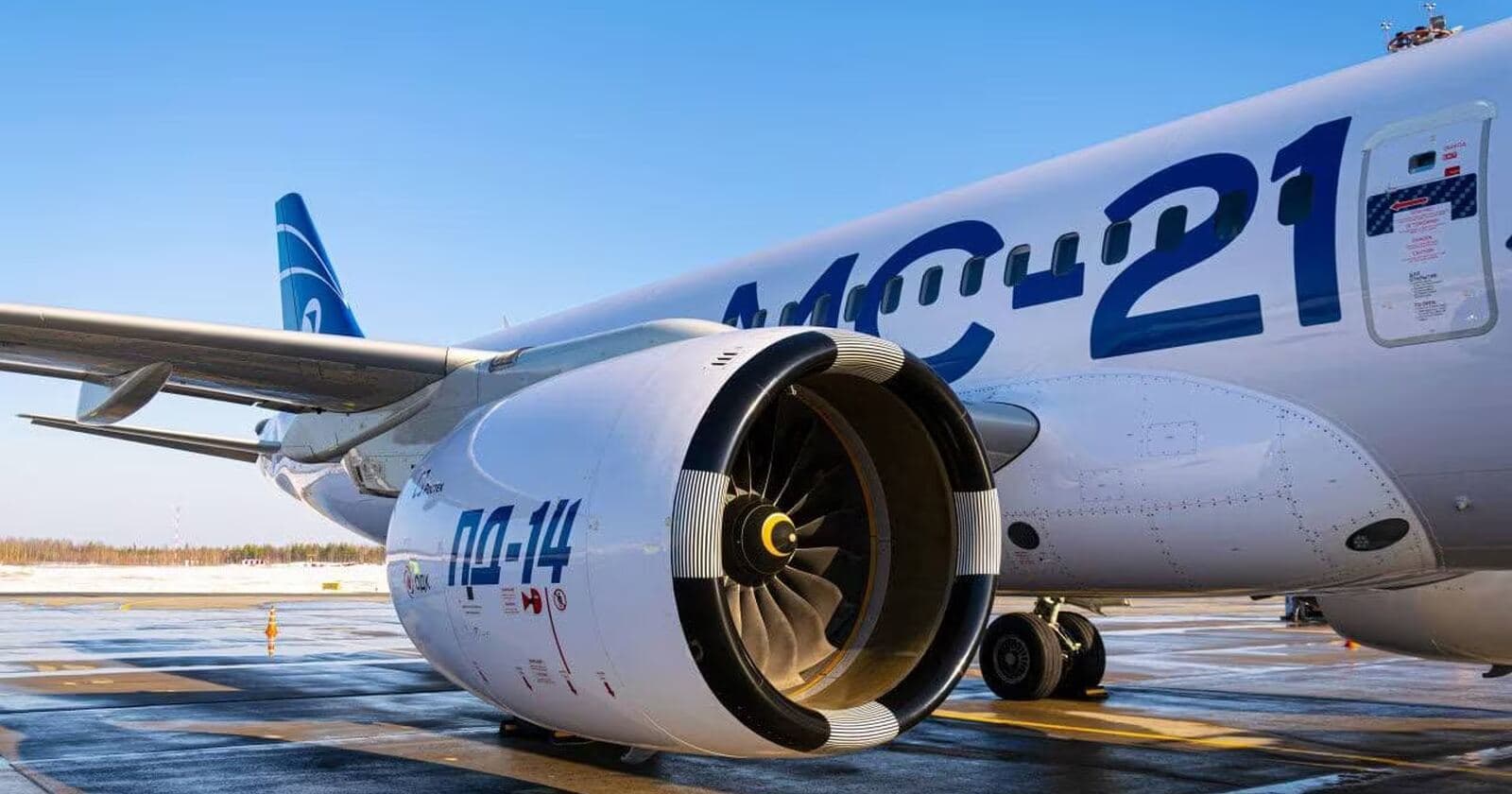
Image: ITzine
Investors poured a record $67.7 billion into the space sector in the first six months of 2026, and satellite companies alone captured $8.1 billion of that total. According to Space Capital, that already exceeds any previous full-year result it has recorded for the segment.
The biggest satellite deal was Finnish company Iceye’s Series F round of $1.2 billion. Iceye builds radar satellites and plans to expand production, betting on steady demand including from NATO countries. The scale of some space deals is now approaching major rounds seen in mainstream IT, even though space remains defined by long development cycles and slow paths to profitability.
Where the money is going
Across the broader space market, infrastructure drew the most capital. Space Capital estimates that companies in that segment raised a record $20.7 billion in the quarter. Nearly half came from a $12 billion Series B for Prometheus, a Jeff Bezos startup developing AI models for automating engineering design and manufacturing.
Analysts also flagged a new category, Launch+, covering companies that combine launch services with other space businesses. Blue Origin is the example they cite: alongside rockets, the company is exploring orbital data centers as a way to ease some of the burden on computing capacity on Earth.
Late-stage pressure is shifting
The jump in funding stands out because space was long known for occasional large rounds tied to government contracts and expensive engineering programs. Capital is now spreading beyond satellites and rockets into adjacent areas such as AI-driven design, satellite intelligence, and launch infrastructure.
Recommended reading
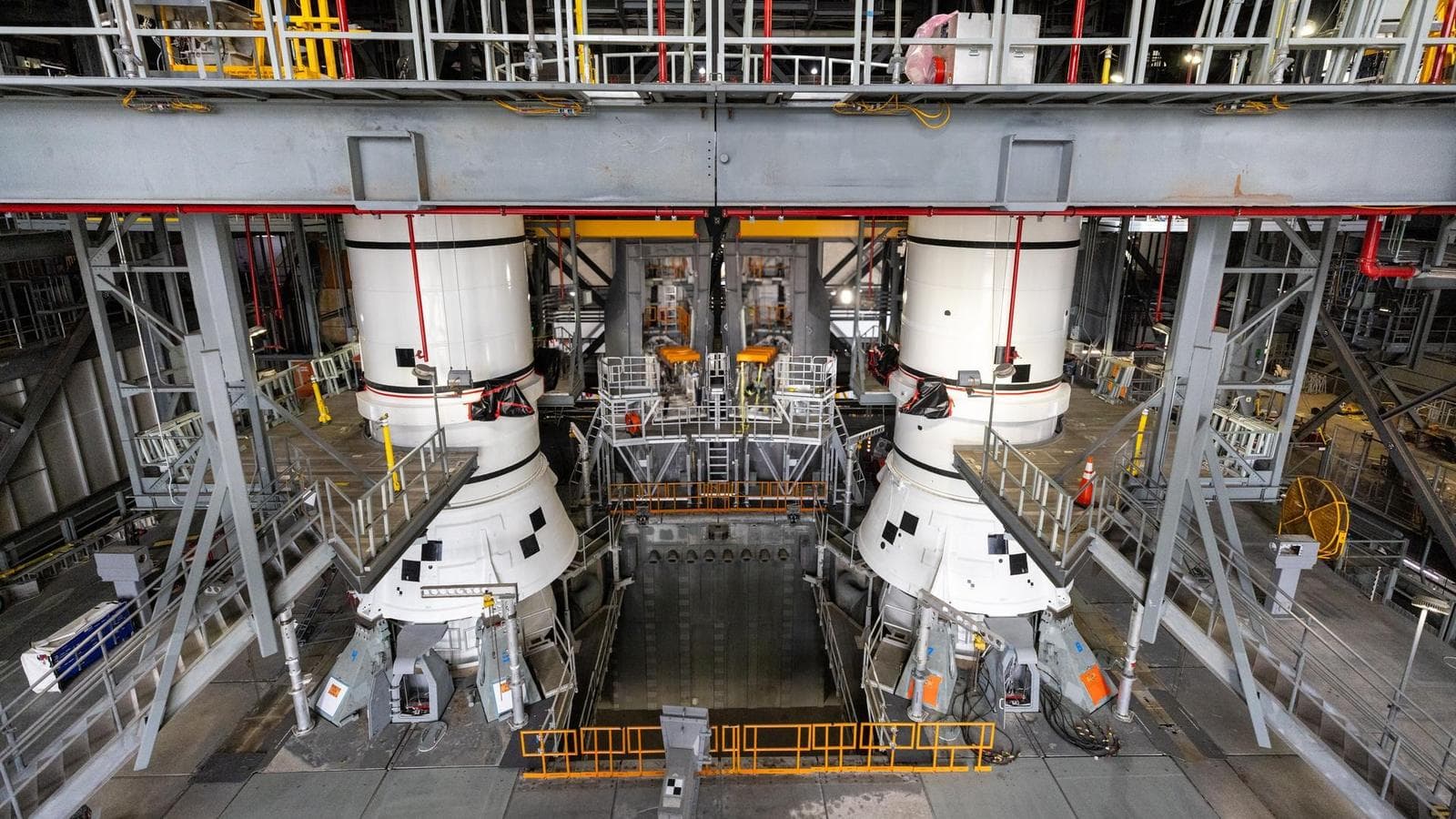
NASA starts building SLS for Artemis III crewed mission
Space Capital’s data also shows how hard the market remains. Of 722 infrastructure companies that received seed funding since 2009, only 19 made it to Series E. Early-stage attrition is still severe, even with more money entering the sector.
The financing bottleneck has also moved. Where the weak point used to come after Series C, it has now shifted to the step between Series D and E. More companies are reaching late stages, but scaling beyond that remains difficult.
On exits, the second quarter brought $90.4 billion in space-company exit deals, including the May IPO of HawkEye 360. Space Capital also counted SpaceX’s June IPO among the major events, valuing the offering at $85.7 billion with the company’s market value at about $1.8 trillion. Even with the flood of capital, the Series E numbers underline an old rule of the space business: raising money is only part of the challenge; getting to the next round is the harder test.

Frontier Editor
Dan is our resident futurist, covering electric mobility, space exploration, and the smart home. He's interested in atoms just as much as bits. Whether it's a new battery chemistry, a reusable rocket, or a protocol that finally makes IoT devices talk to each other, Dan breaks down the engineering that pushes humanity forward.
via ITzine