• 2 min read
Dimension Capital lands $800M as science-compute bets pay off
Dimension Capital raised an $800 million third fund, 60% larger than its last vehicle, as biotech-software startups surge.
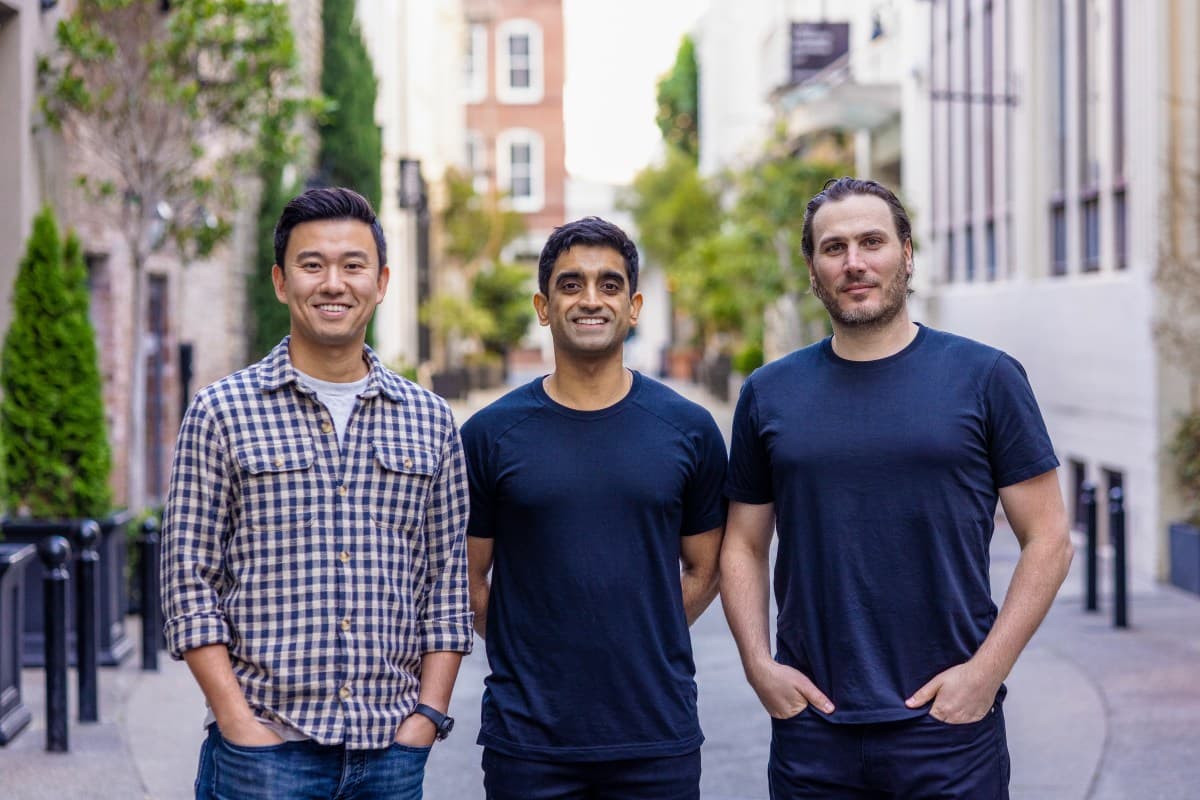
Image: TechCrunch
Dimension Capital has raised an $800 million third fund, another sign that investor appetite is holding up for startups built at the intersection of science and compute.
The New York firm announced the new vehicle on Tuesday. It is 60% larger than Dimension’s $500 million second fund, which the firm announced just 18 months ago. That pace stands out at a time when many newer venture firms are still struggling to raise fresh capital.
Dimension was founded in late 2022 by Zavian Dar and Adam Goulburn, both formerly partners at Lux Capital, alongside Nan Li, formerly of Obvious Ventures. The three launched the firm on the idea that more founders would build deep-tech companies spanning both biotech and software. According to TechCrunch, the partners say they have been surprised by how quickly that thesis has materialized.
Some of the firm’s recent bets have appreciated fast. In 2024, Dimension co-led a $30 million seed round in Chai Discovery, which is building open-source AI foundation models for drug development. Last week, Chai said it had raised $400 million at a $3.8 billion valuation.
Dimension also backed anti-aging startup New Limit in its Series A round in January 2025. Earlier this month, New Limit — co-founded by Coinbase CEO Brian Armstrong — closed a Series C at a $3.1 billion valuation.

Recommended reading
Pat Gelsinger’s next chip bet is light
Other notable investments include Modal Labs and Anthropic. Dimension obtained shares in Anthropic after the company acquired its portfolio company Coefficient Bio this spring for a reported $400 million.

Enterprise Editor
Marcus follows the money. He covers enterprise software, cloud architecture, and the tectonic shifts in Big Tech strategy. He translates dense earnings calls and complex M&A activity into actionable insights about where the industry is actually heading. If a tech giant makes a silent pivot, Marcus is usually the first to notice.
via TechCrunch