• 4 min read
Flock lost Oshkosh in a day after false ALPR claim
The ACLU says Flock Safety repeatedly misled officials and the public, with Oshkosh canceling its contract one day after approval.
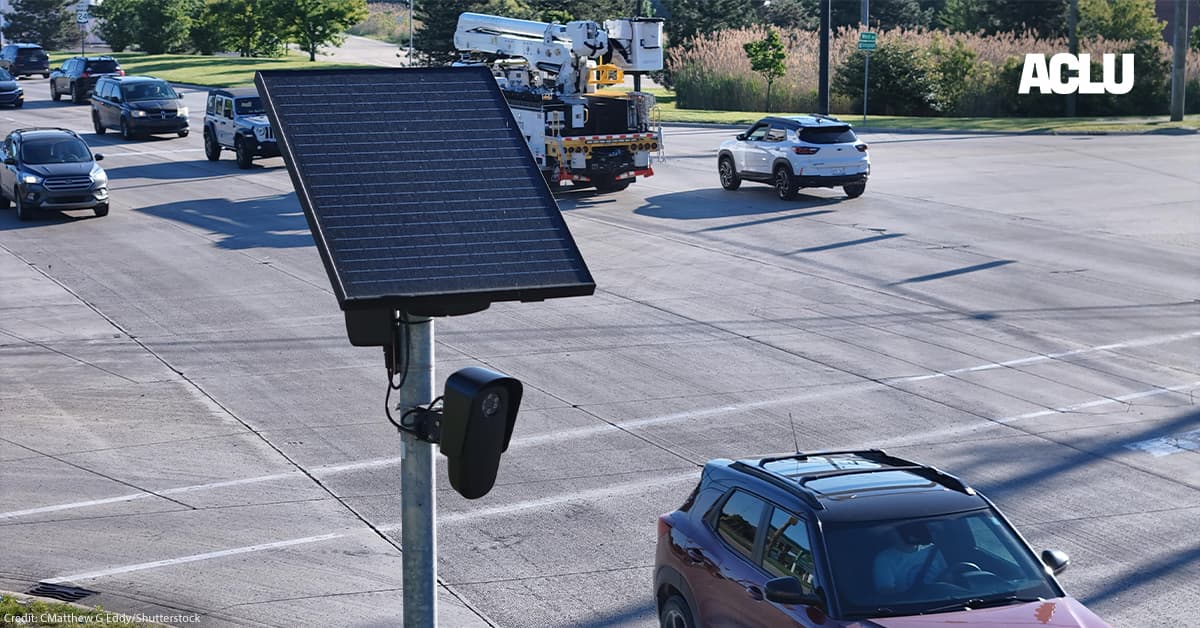
Image: Hacker News
Flock Safety lost a contract in Oshkosh, Wisconsin, just one day after winning approval, after city officials said the company gave false information about what its automatic license plate reader system could do.
According to the ACLU, the dispute began at an April city council meeting when a council member asked whether Flock’s ALPR system could generate heat maps showing where a vehicle had traveled over time. Flock’s chief information security officer said the system did not “create a pattern or heat map of an individual’s movement.” The council approved the contract, but by the next morning the city concluded that claim was false.
When the council reconvened, Oshkosh Deputy Mayor Joe Stephenson said:
“I don’t know how this body can govern if someone tells untruths, mistruths, exaggerated truths. I don’t know how I can make a decision or discern what’s right or what’s wrong, or even the capabilities of this system if you lie to me.”
Mayor Matt Mugerauer added:
Recommended reading
Insta360 hints at a camera robot that 'disappears'
“Shame on them. All I’m saying is if you give bad information, then I just don’t want to work with you.”
The council then revoked the deal, which the ACLU says set a record for the shortest gap between a city approving and canceling a Flock contract: one day. Flock later acknowledged that its system does produce a heat map showing where “point-in-time images have been captured of a vehicle” for up to an entire month.
Other disputes over data access and safeguards
The ACLU argues the Oshkosh episode fits a broader pattern. In Colorado, Loveland Police Chief Tim Doran raised concerns that federal agents were accessing local ALPR data. Flock said federal agencies no longer had access and its CEO told the press the issue was moot because the company had no federal contracts. The company later admitted it did have pilot contracts with U.S. Customs and Border Protection (CBP) and Homeland Security (DHS) that gave those agencies direct access to license data.
The group also points to reporting from last year showing local police customers were sharing Flock search results with immigration agencies including ICE and CBP. Flock responded with a blog post titled “Does Flock Share Data With ICE? No. Flock Does Not Work With ICE.” The ACLU says that framing ignored the real issue: even without ICE as a direct customer, immigration agencies could still get access indirectly through state and local police.
In May 2025, news reports said Flock’s system had been used in Texas to help law enforcement track a person seeking abortion care in Illinois. Flock responded with “New Product Solutions to Strengthen Compliance” and a “Proactive Search Term Tool.”
But the ACLU says the safeguard was easy to bypass. Citing an investigation by the ACLU of Massachusetts, it says police often entered vague terms such as “investigation” or “susp” in the search-reason field. In September 2025 alone, one local Oregon police department entered “investigation” 111 times and “hehehe” 20 times.
False claims about working with the ACLU
The ACLU also says Flock falsely claimed to have collaborated with the organization. Earlier this year, after the ACLU of New Mexico and Flock both backed the same state ALPR bill for different reasons, Flock’s Senior Director of Public Affairs said on social media that the company had partnered with the ACLU of New Mexico to craft and pass the legislation.
The group says that was false, and notes a similar statement at an Urbana, Illinois City Council meeting in 2021, when Flock said it had worked with groups like the ACLU to design its ALPR system. The ACLU says neither it nor any of its affiliates has ever partnered with Flock Safety or helped design any ALPR system.
Its recommendation to governments is blunt: avoid working with companies that mislead elected officials, and if agencies do use ALPRs, impose strict limits on data retention, data sharing, and the crimes those systems can be used to enforce.

Security Editor
Sophia unpacks the invisible wars happening on our networks. Covering cybersecurity, privacy legislation, and cryptography, she exposes how our data is weaponized and defended. Before joining for(geeks), she spent years as a penetration tester. She's the reason the rest of the team uses physical security keys.
via Hacker News