• 2 min read
GridCARE says software can unlock 300GW on US grid
GridCARE claims its modeling software could recover 300GW of hidden US transmission capacity without building new lines or substations.
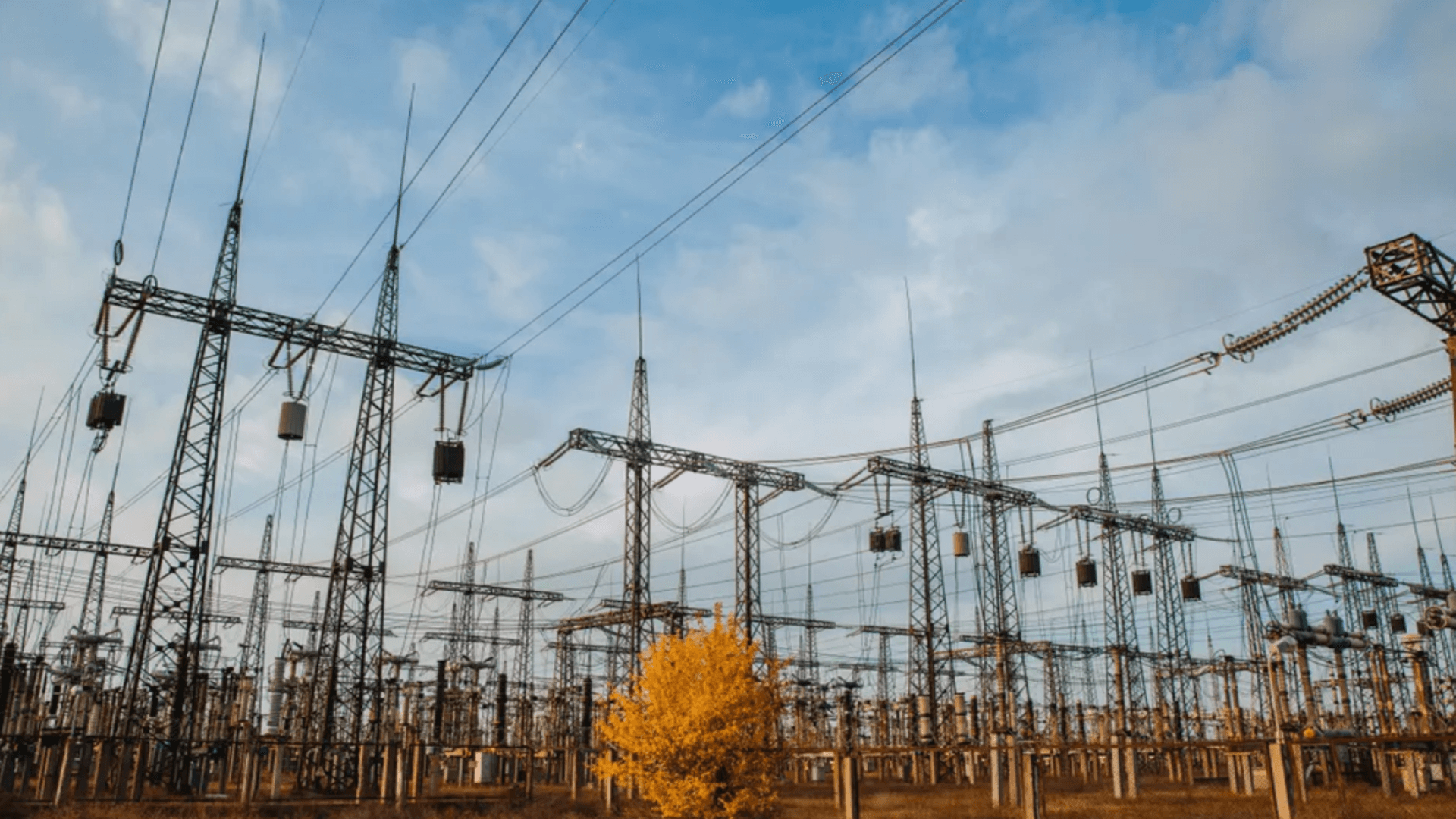
Image: TechRadar
A startup called GridCARE says it can unlock roughly 300 gigawatts of hidden transmission capacity across the existing US power grid within three to five years — a potentially significant claim as utilities face rising demand from AI data centers, electrification, and slow-moving grid upgrades.
The company, led by founder and CEO Amit Narayan, argues that the answer is not more hardware, at least not immediately. Instead of building new transmission lines or substations, its software models how the grid actually behaves in real time and looks for capacity that conventional planning methods may be leaving unused.
For years, the grid has been planned around conservative assumptions designed to account for multiple equipment failures happening at the same time. According to GridCARE, that has left large parts of the transmission network underused for much of the year, even as electricity demand climbs.
Bank of America data suggests the US could face a 100 GW power shortfall within the next four years. Analysts also expect at least 230 GW of new power demand between 2026 and 2030, while utilities are projected to add only 93 GW of new supply capacity over the same period.
How GridCARE says its software works
GridCARE says its platform runs quadrillions of simulations to identify transmission capacity that standard planning tools miss. By modeling actual grid behavior rather than worst-case conditions alone, utilities could get a more precise view of how much headroom already exists on the network.

Recommended reading
FBI eyes Nvidia and Google TPU AI systems
Narayan discussed the technology on the “Energy Empire” podcast hosted by Jigar Shah, the US entrepreneur and former director of the Department of Energy’s Loan Programs Office. According to Narayan, the 300 GW figure reflects capacity that traditional planning methods have overlooked for years.
He said recovering even part of that capacity could help reduce clean energy interconnection delays and ease bottlenecks for data center developers seeking power.
That said, the claims have not been independently verified. Utilities have long been reluctant to move away from conservative planning standards because those rules are designed to protect reliability during equipment failures. Still, with transmission buildouts taking years and demand continuing to rise, software-based approaches may get a closer look.

Enterprise Editor
Marcus follows the money. He covers enterprise software, cloud architecture, and the tectonic shifts in Big Tech strategy. He translates dense earnings calls and complex M&A activity into actionable insights about where the industry is actually heading. If a tech giant makes a silent pivot, Marcus is usually the first to notice.
via TechRadar