• 2 min read
Kimi K3 pauses signups after demand overloads capacity
Moonshot AI has halted new Kimi K3 subscriptions after demand spiked within 48 hours of launch, underscoring compute constraints.
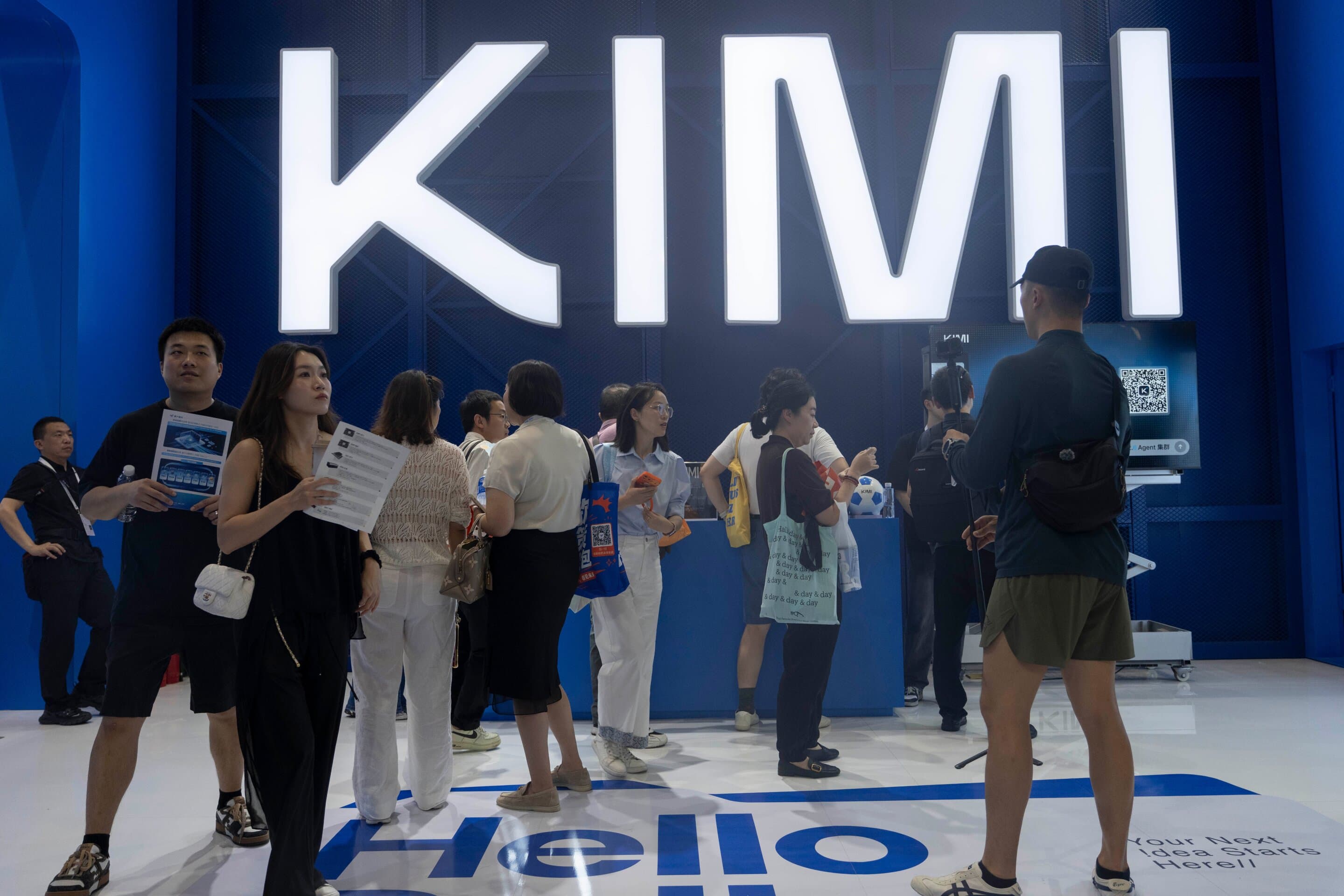
Image: TechXplore
Moonshot AI has temporarily stopped taking new subscriptions for Kimi K3 after demand surged so quickly that it nearly maxed out the company’s available capacity within 48 hours of launch.
The Beijing-based startup said in a post on X late Sunday that Kimi K3 had received “far more love than we expected” and that demand had pushed close to the limits of its infrastructure. Moonshot said it is prioritizing existing subscribers and will reopen access for new users in batches as it adds more capacity. It posted a similar message on Chinese social media.
The pause throws a spotlight on a growing pressure point for Chinese model developers: building enough compute capacity to serve global interest as the U.S.-China tech race intensifies. Chinese open-source and lower-cost models, including DeepSeek’s latest V4, have been gaining attention rapidly. In early 2025, DeepSeek jolted world markets and helped establish China as a serious U.S. competitor in frontier models, many of which are released as open source.
K3 rolled out publicly late last week as a challenger to top systems from Anthropic, OpenAI, and others. At 2.8 trillion parameters, it is described as the world’s largest open-source AI model. On Arena, an AI model evaluation platform, K3 rose to the top of rankings for front-end coding capability after release.
Recommended reading
Nvidia’s deepfake detector scans video in 22 ms
Lian Jye Su, chief analyst at Omdia, said major model launches often trigger interest strong enough to strain compute infrastructure.
“New model releases generally trigger massive interest, which can strain existing compute infrastructure.”
Su said the issue likely reflects Moonshot not fully anticipating K3's popularity. He added that K3 is “very demanding” in compute terms, making allocation difficult and expensive, and said the episode shows Moonshot lacks enough compute chips to handle the current surge.
K3's debut has also added pressure to shares of major U.S. tech companies, amid concerns that cheaper Chinese models could weaken pricing power and demand for American AI firms. That tension comes even as U.S.-led restrictions continue to block China from accessing some advanced technologies, including the most cutting-edge chips.
K3 is part of a broader wave. Over the weekend, Alibaba previewed Qwen3.8 Max, which it said has 2.4 trillion parameters and is second only to Anthropic’s Fable 5. Last month, Chinese startup Zhipu, or Z.ai, launched GLM-5.2, which also saw rapid global adoption.

AI Editor
Ava covers the rapidly evolving world of artificial intelligence, from foundational models and research labs to the real-world economics of intelligence. With a background in computational linguistics, she cuts through the hype to find out what actually works. She firmly believes that benchmarks are just marketing until reproduced in the wild.
via TechXplore