• 2 min read
Nvidia’s deepfake detector scans video in 22 ms
Nvidia has introduced Synthetic Video Detector, a tool that checks Full HD video for AI generation in about 22 ms on RTX hardware.
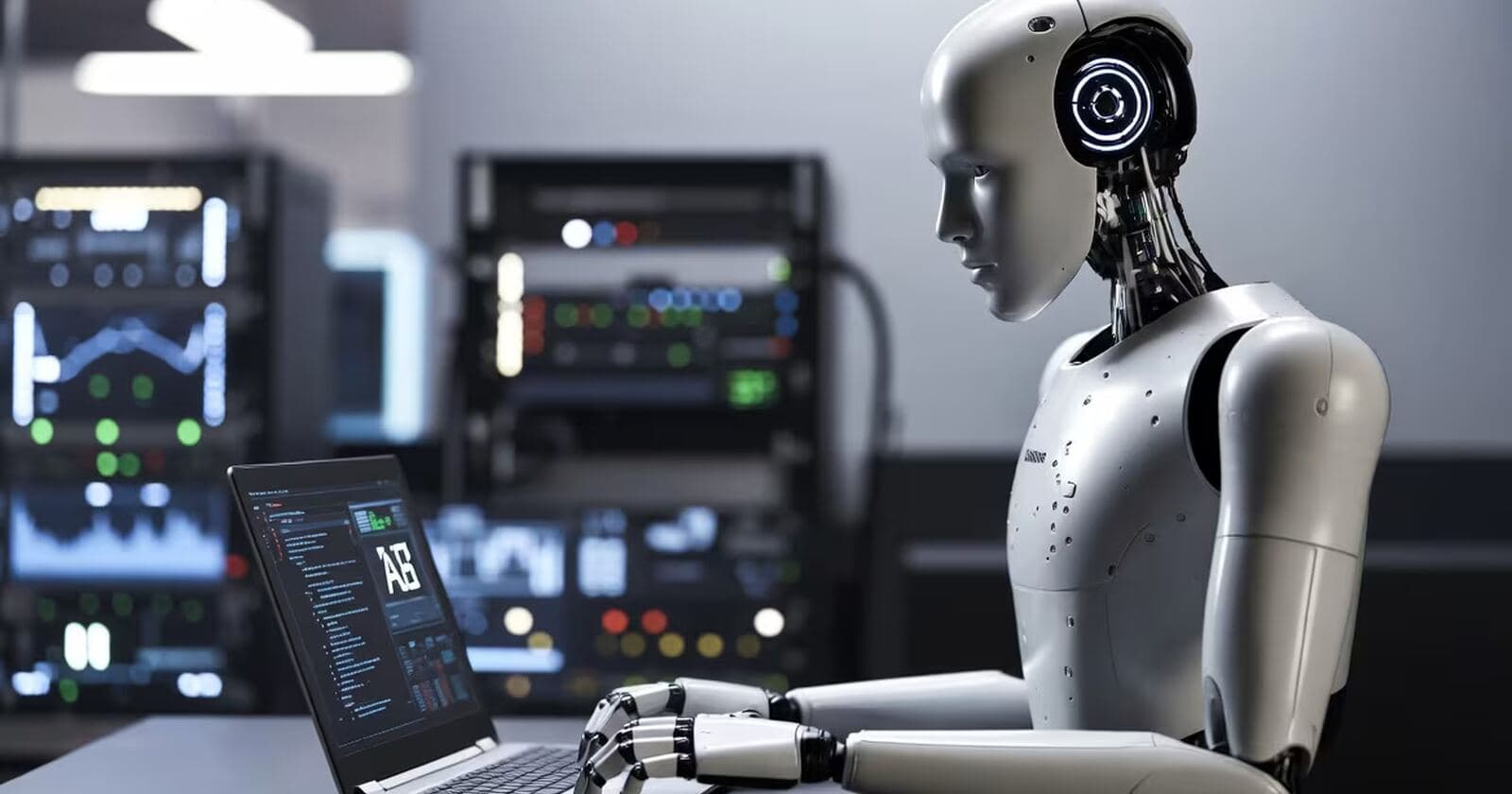
Image: ITzine
Nvidia has unveiled Synthetic Video Detector, a tool designed to identify AI-generated video fast enough to fit into newsroom and platform moderation pipelines. According to the company, the system can analyze Full HD footage in about 22 ms on RTX hardware and 30 ms on L40 accelerators.
That speed is the point. As deepfakes are increasingly used in both fraud and information attacks, Nvidia is pitching the tool as a way to shorten the gap between suspicion and takedown. The detector is built into the Nvidia NIM microservices ecosystem, which means it can be added to existing processing chains without building a separate server stack just for video verification.
Nvidia has also struck a deal with Wowza, which will add the technology to its video-stream processing platform, extending potential reach to 170 countries.
Existing rivals and standards are already in the market, including Reality Defender, Sensity, and the C2PA content provenance standard, which helps track where a file came from and who edited it. Nvidia’s pitch is less about inventing a new category than making detection fast enough for real-time use, especially as video generators get better at mimicking movement, facial expressions, and lip sync.

Recommended reading
AI Won’t Replace Coders, but It Will Reshape the Job
Key specs Nvidia shared for Synthetic Video Detector:
- Frame-by-frame video analysis with an AI-generation probability score
- 92% accuracy for uncompressed video
- 87% accuracy at 15% compression
- 82% accuracy at 50% compression
- Integration through Nvidia NIM
- Targeting media companies, platforms, and organizations handling streaming moderation
- Deployment support through partners, including Wowza
- Separate validation on RTX and L40 hardware
For editors and moderators, the main question is whether that 22 ms figure holds up under real production load. If it does, the filter could sit directly at the front of a news or upload pipeline, instead of waiting for manual review. For live video, where even a minute of delay can turn a fake into a viral story, that could be the difference that matters.

AI Editor
Ava covers the rapidly evolving world of artificial intelligence, from foundational models and research labs to the real-world economics of intelligence. With a background in computational linguistics, she cuts through the hype to find out what actually works. She firmly believes that benchmarks are just marketing until reproduced in the wild.
via ITzine