• 2 min read
LG TV terms spark privacy backlash
LG’s updated webOS terms reportedly allow voice data collection for AI services, while users who refuse may lose security updates.
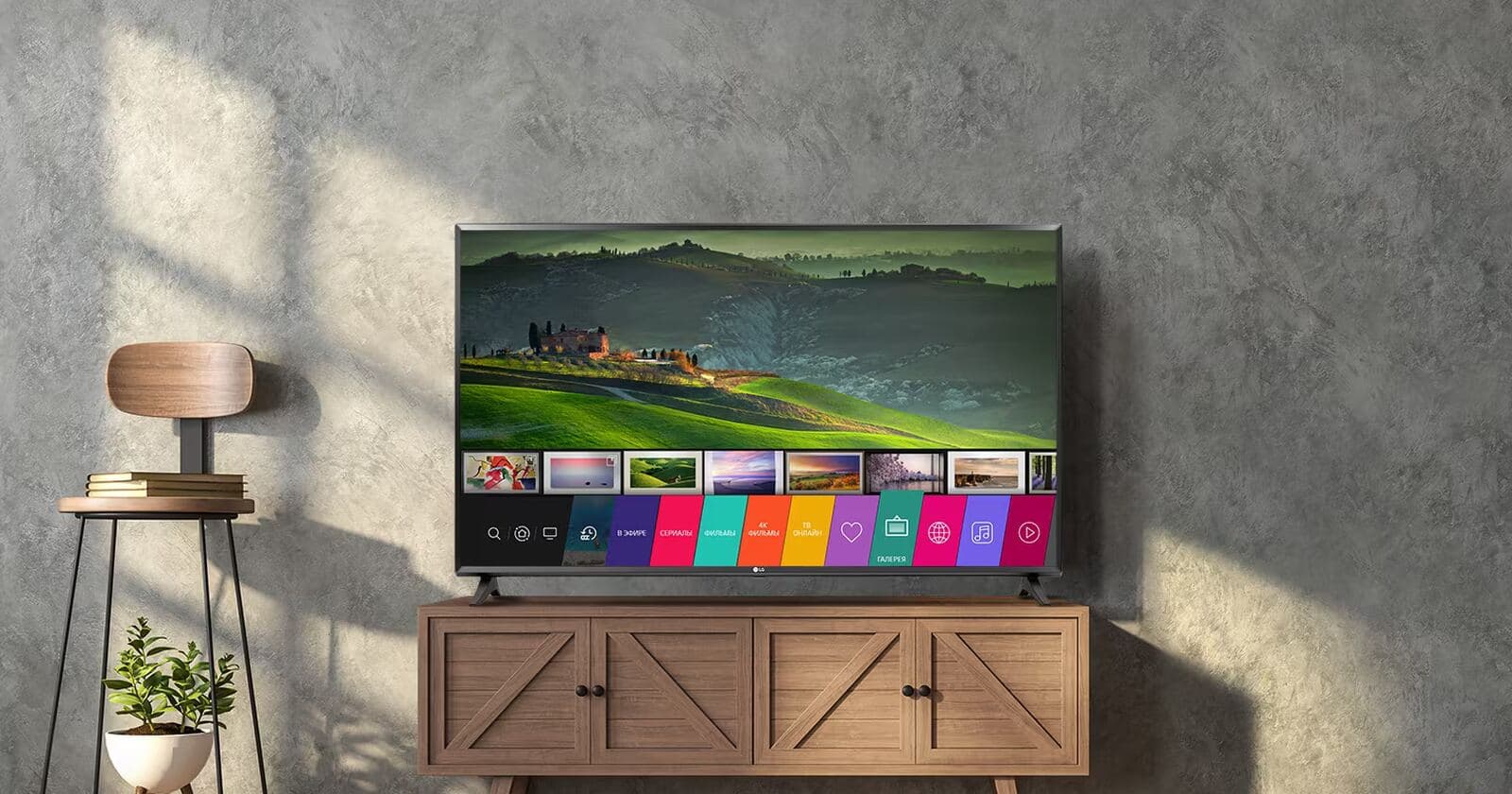
Image: ITzine
LG is facing a fresh privacy controversy after updated webOS terms reportedly introduced language allowing the recording and processing of users' speech. According to TechRadar, the changes tie voice data collection to the development of AI services, while putting the burden of warning guests and complying with local laws largely on the TV owner.
Users can refuse the new terms, but there is a catch: they may have to remain on an older version of webOS and miss future security updates. For connected TVs that rely on Wi‑Fi, accounts, apps, and voice controls, that creates an uncomfortable tradeoff between privacy and security.
What changed in LG webOS terms
The main point of dispute is LG’s description of how speech may be collected and analyzed to improve voice-driven and AI-related features. The wording, as described by the source, is broad enough to raise questions about where useful functionality ends and data collection begins.
Critics also object to the way responsibility is framed. Rather than clearly explaining what data is gathered and how to disable it, LG’s terms reportedly leave the owner responsible for informing anyone nearby. That is a difficult fit for a device typically used by an entire household, including children and guests who never see the legal text.
The timing makes the issue more sensitive. Gamers Nexus previously reported frustration among some LG monitor buyers over built-in advertising, software prompts, and other attempts to turn displays into service platforms. In that context, even standard smart features can look suspect when paired with aggressive terms.

Recommended reading
Why pseudonyms may stop working online soon
Why this matters for the TV market
This is not just an LG problem. Samsung, Sony, TCL, and other major TV makers all operate their own smart TV platforms, and the same basic concern keeps returning: the smarter the device, the more users want to know what it hears, what it stores, and where that information goes.
TV makers have also spent recent years chasing new revenue streams beyond hardware sales, including:
- home screen advertising
- recommendation systems
- subscriptions
- service storefronts
That business shift increases the reputational risk when privacy language expands. In LG’s case, the backlash is especially sharp because the dispute is not over a new product, but over devices people already own and the updates that keep them secure.

Security Editor
Sophia unpacks the invisible wars happening on our networks. Covering cybersecurity, privacy legislation, and cryptography, she exposes how our data is weaponized and defended. Before joining for(geeks), she spent years as a penetration tester. She's the reason the rest of the team uses physical security keys.
via ITzine