• 2 min read
Meta weighs a $10 billion Anthropic data center deal
Meta is reportedly in early talks to lease data center capacity to Anthropic in a deal worth up to $10 billion over two years.
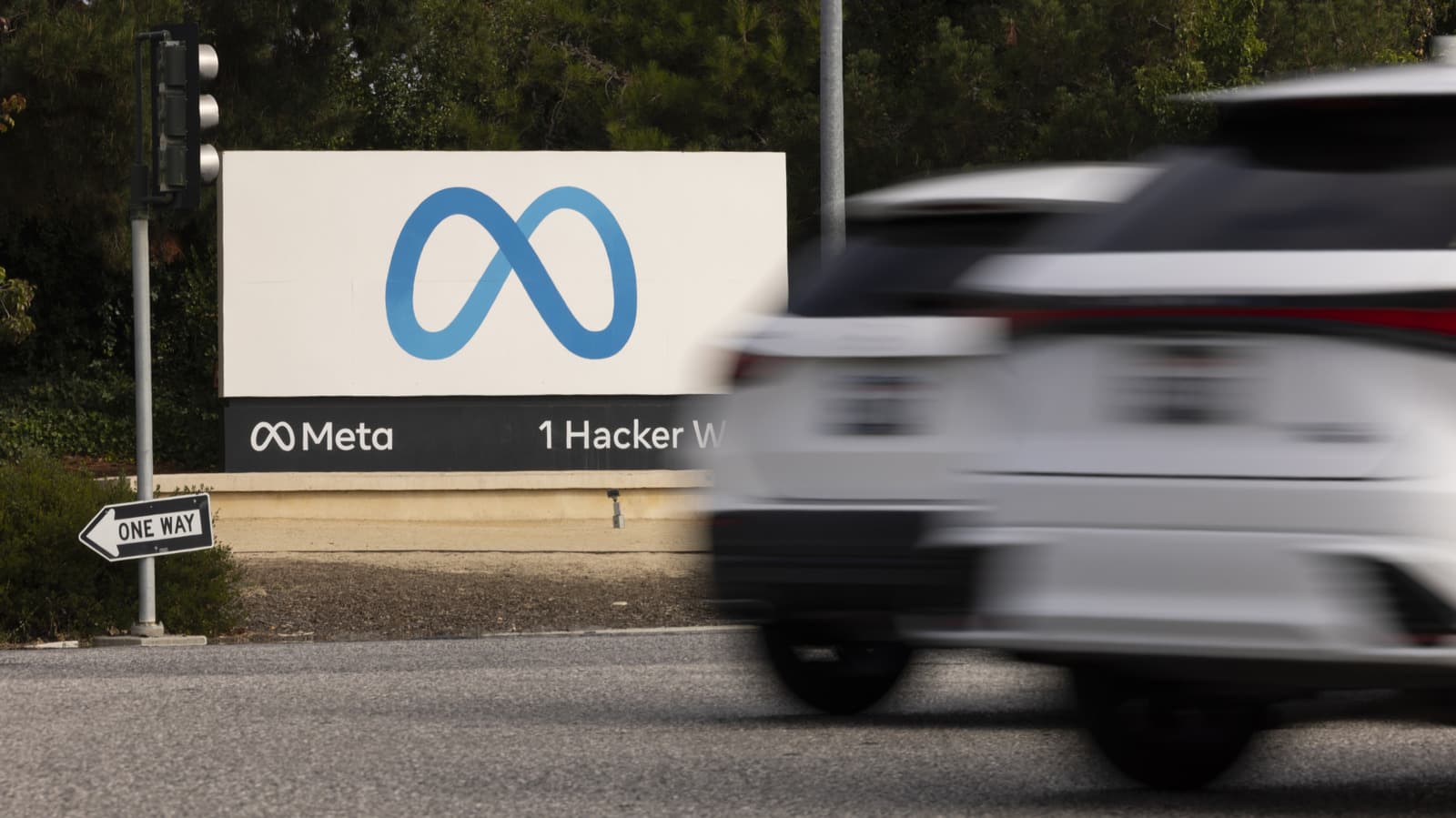
Image: Engadget
Meta is reportedly discussing a deal to lease some of its data centers to Anthropic, a move that could create an entirely new business for the company behind Facebook and Instagram.
According to The New York Times, the talks are still at an early stage, but the agreement could be worth as much as $10 billion over two years. The report follows earlier coverage from Bloomberg that said Meta was considering an expansion into cloud services.
That would mark a notable shift for Meta, which still gets the vast majority of its revenue from advertising. CEO Mark Zuckerberg has previously suggested the company could eventually sell data center capacity. On an earnings call last year, he said Meta gets those requests “almost every week” and called it “an option” for the future.
The arrangement would also make strategic sense for both sides. Meta is pouring money into AI infrastructure for its own model-building efforts, even as the scale of that spending has drawn scrutiny. The company has said it expects to spend between $125 billion and $145 billion in 2026 alone.
Leasing capacity to a customer like Anthropic, which needs large amounts of compute, could help Meta turn some of that infrastructure spending into a multibillion-dollar revenue stream. Anthropic recently signed a similar agreement with SpaceXAI ahead of the Elon Musk-led company’s initial public offering earlier this summer. That deal was reportedly worth $45 billion over three years, and Anthropic raised Claude Code subscribers' rate limits immediately after announcing it.

Recommended reading
SpaceX slips below IPO price after $1T wipeout

Enterprise Editor
Marcus follows the money. He covers enterprise software, cloud architecture, and the tectonic shifts in Big Tech strategy. He translates dense earnings calls and complex M&A activity into actionable insights about where the industry is actually heading. If a tech giant makes a silent pivot, Marcus is usually the first to notice.
via Engadget