• 3 min read
New test rig pushes molten salt seals to 2,300 hours
University of Michigan engineers ran a commercial shaft seal for 2,300 hours in molten salt reactor conditions after a 10-day wear-in period.
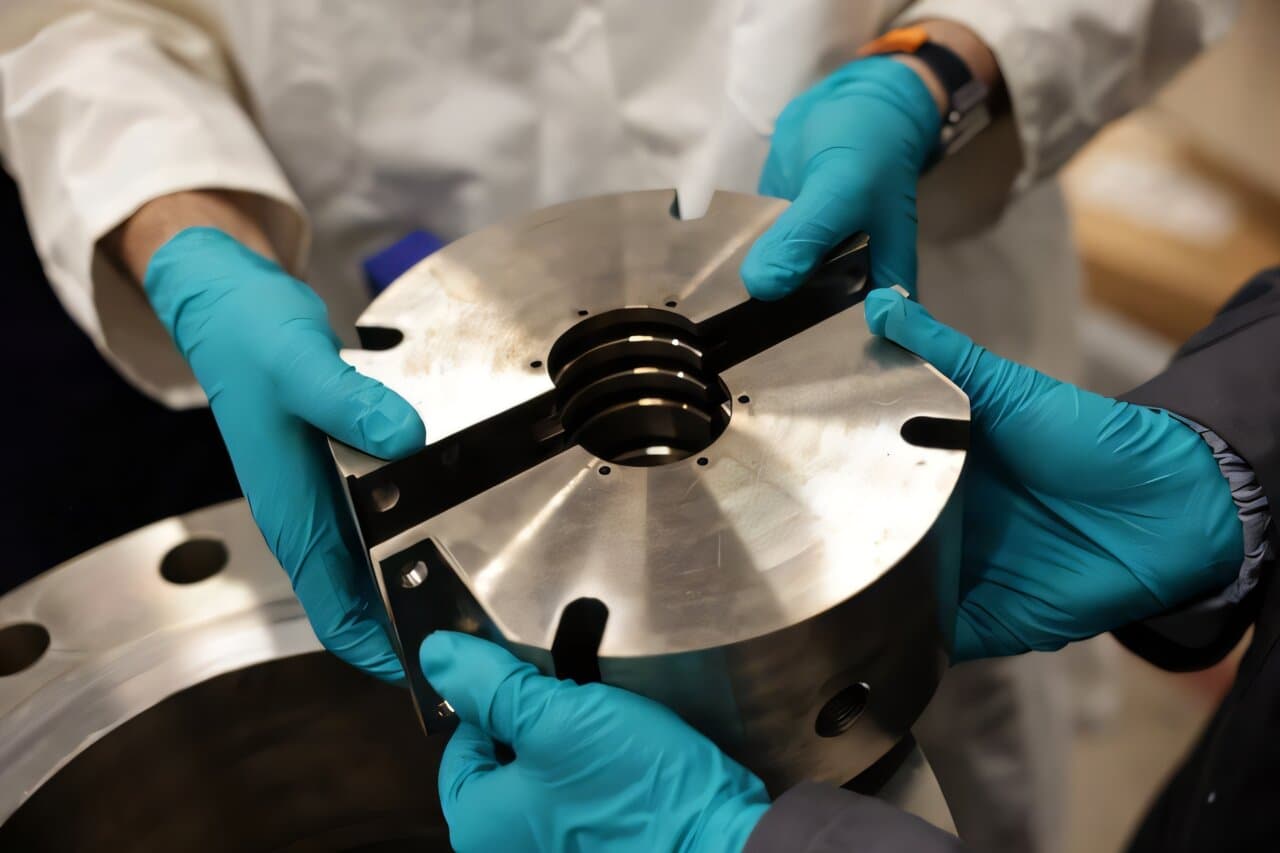
Image: TechXplore
A commercially available shaft seal has now logged about 2,300 hours under molten salt reactor conditions in a University of Michigan Engineering test, with researchers reporting minimal corrosion or degradation after an initial 10-day wear-in period.
The work, published in Progress in Nuclear Energy, targets a small but critical component: the seal around a rotating pump shaft that must keep corrosive salt vapors and radioactive gases contained inside the reactor. According to Xiaodong Sun, a professor of nuclear engineering and radiological sciences at U-M and the study’s corresponding author, reliable pumps and seals are essential if molten salt reactors are to be deployed safely and practically.
“Reliable pump and seal performance is essential for the safe and practical deployment of molten salt reactor technologies. This study provides valuable experimental data under realistic operating conditions and helps close an important knowledge gap for future reactor design.”
What the shaft seal tests found
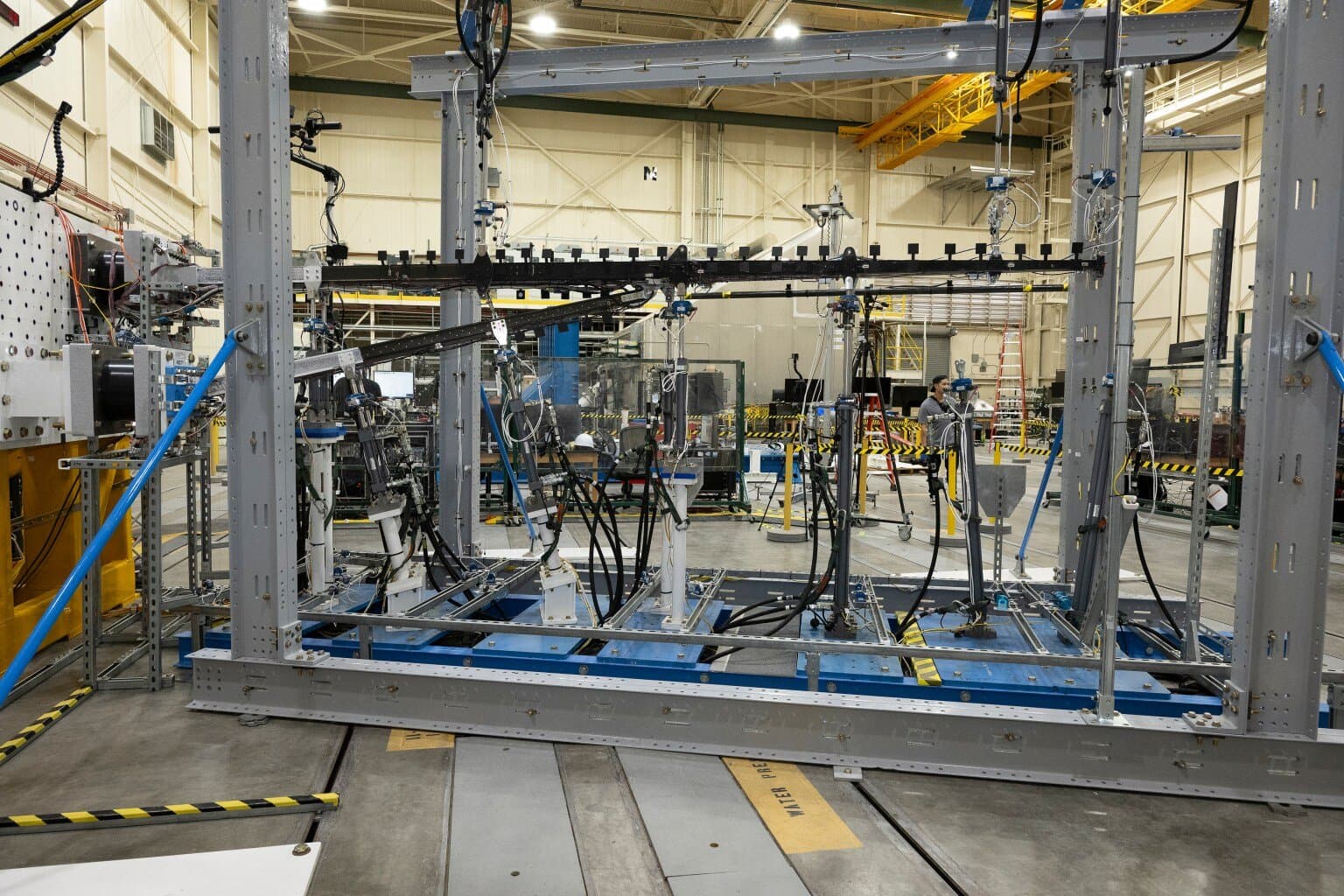
To run the experiments, the team built a custom Shaft Seal Test Facility with two stainless steel tanks connected by pipes. The setup used 32 kg of FLiNaK salt—a mixture of lithium fluoride, sodium fluoride and potassium fluoride—and exposed the seal to salt vapor at temperatures up to 550°C (1,022°F) and shaft speeds up to 1,500 RPM.
The main result was that radial clearance—the distance between the shaft and the surrounding seal—mattered most. Speed and temperature had limited effect on performance, while the choice of cover gas mattered more. Among the gases tested, argon outperformed nitrogen and helium, maintaining higher tank pressure at the same gas flow rate.

Recommended reading
40TB of public data became one conservation game
Researchers said the seal’s early wear-in phase was important: friction between the spinning shaft and graphite bushing seal created a tiny gap that changed internal pressure before the system settled into stable operation.
“These results help turn an understudied pump component into a measurable engineering problem and provide guidance for future seal design, optimization and scale-up for molten salt reactors and other advanced energy systems.”
Why molten salt reactors need better seals
Molten salt reactors use salts such as NaCl and NaF heated into liquid form. Because these salts have very high boiling points—1,413°C (2,575°F) for NaCl and 1,704°C (3,099°F) for NaF—they can run at higher temperatures and much lower pressures than conventional light-water reactors, improving thermal efficiency and reducing the risk of pressure-driven accidents.
But the chemistry is harsh. Molten salts can be highly corrosive and may generate radioactive and toxic gases, including hydrogen fluoride. Reactors therefore use an inert cover gas or blanket gas above the salt to push out oxygen and moisture and route hazardous gases to treatment systems. That makes seal performance a core safety issue, not just a maintenance detail.
Long-duration molten salt experiments at this scale are still uncommon in universities, the researchers said. The findings could help guide future shaft seal designs for advanced reactors, including a molten salt-cooled reactor under construction in Oak Ridge, Tennessee, in April 2026.
“The success of the Shaft Seal Testing Facility shows that focused academic teams can address practical engineering barriers that are critical to the development of molten salt reactors and other high-temperature molten salt technologies.”
The paper is: Shuai Che et al, Experimental evaluation of a high-temperature shaft seal under Molten Salt Reactor operating conditions, Progress in Nuclear Energy (2026). DOI: 10.1016/j.pnucene.2026.106447.

Frontier Editor
Dan is our resident futurist, covering electric mobility, space exploration, and the smart home. He's interested in atoms just as much as bits. Whether it's a new battery chemistry, a reusable rocket, or a protocol that finally makes IoT devices talk to each other, Dan breaks down the engineering that pushes humanity forward.
via TechXplore