• 2 min read
NASA wing test hit 127% before failure
NASA says its 15-foot SWEET-15 wing test article survived expected flight loads and failed only at roughly 127% of its design limit.
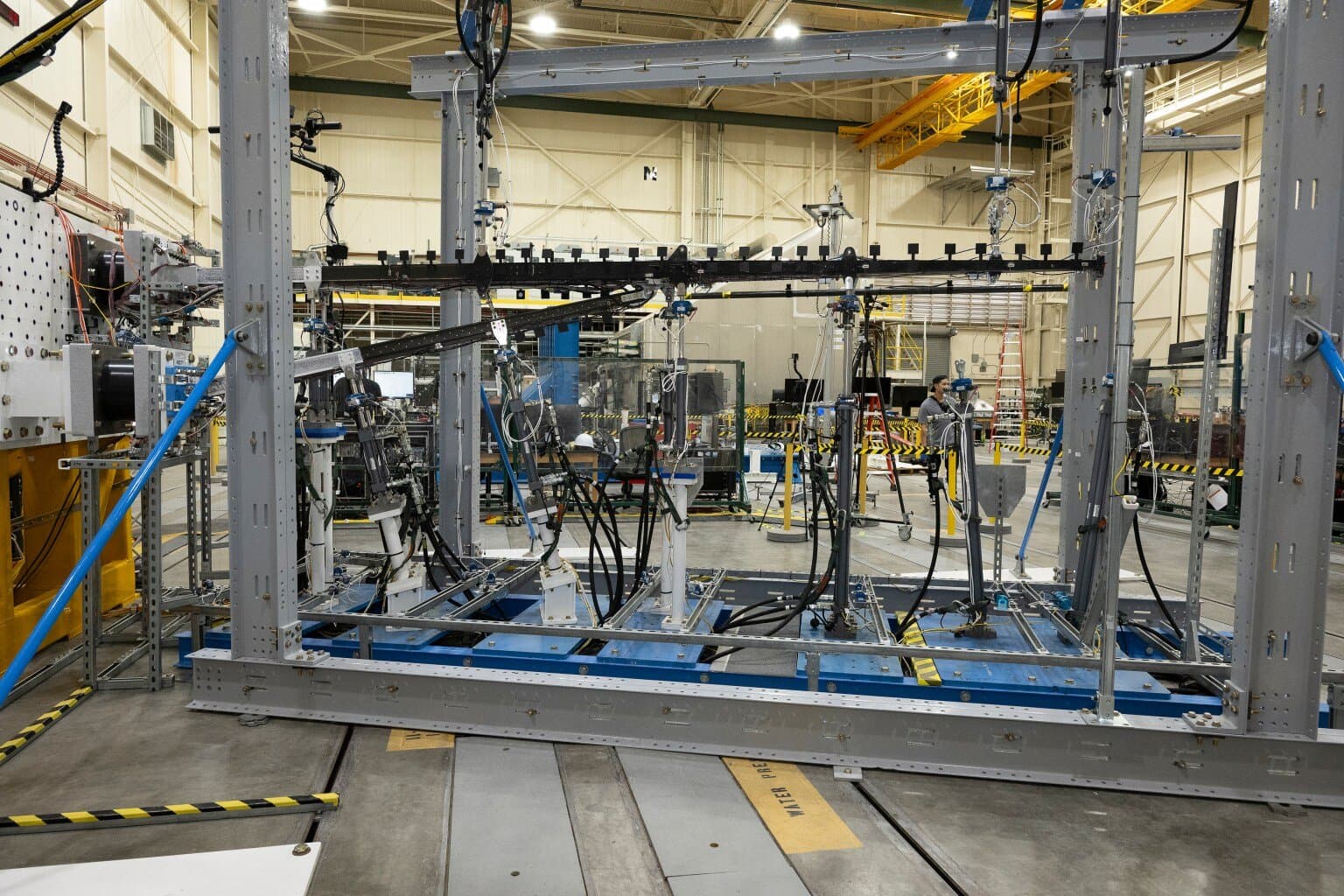
Image: TechXplore
NASA has pushed a new 15-foot (4.6-meter) experimental wing past its design limit to see where it would break, and the result was a failure point at roughly 127% of its design limit load.
The Structural Wing Experiment Evaluating Truss-bracing, or SWEET-15, is part of NASA’s effort to develop future ultraefficient aircraft. The design uses a long, thin wing supported by an aerodynamic strut, building on NASA’s earlier Transonic Truss-Braced Wing concept. Researchers want to know whether the layout and its lightweight structural elements could help commercial airliners cut fuel use.
The test article was designed and fabricated at NASA’s Langley Research Center in Hampton, Virginia, then shipped to NASA’s Armstrong Flight Research Center in Edwards, California, for testing in the Flight Loads Laboratory. Its structure combines five advanced composite manufacturing and assembly technologies.
Over several months, engineers intentionally bent the wing while tracking its behavior with strain and load sensors, including fiber-optic strain sensors. NASA said the sensor data matched predictions from its computer models, and initial findings showed the wing handled anticipated in-flight forces without issue.
Recommended reading
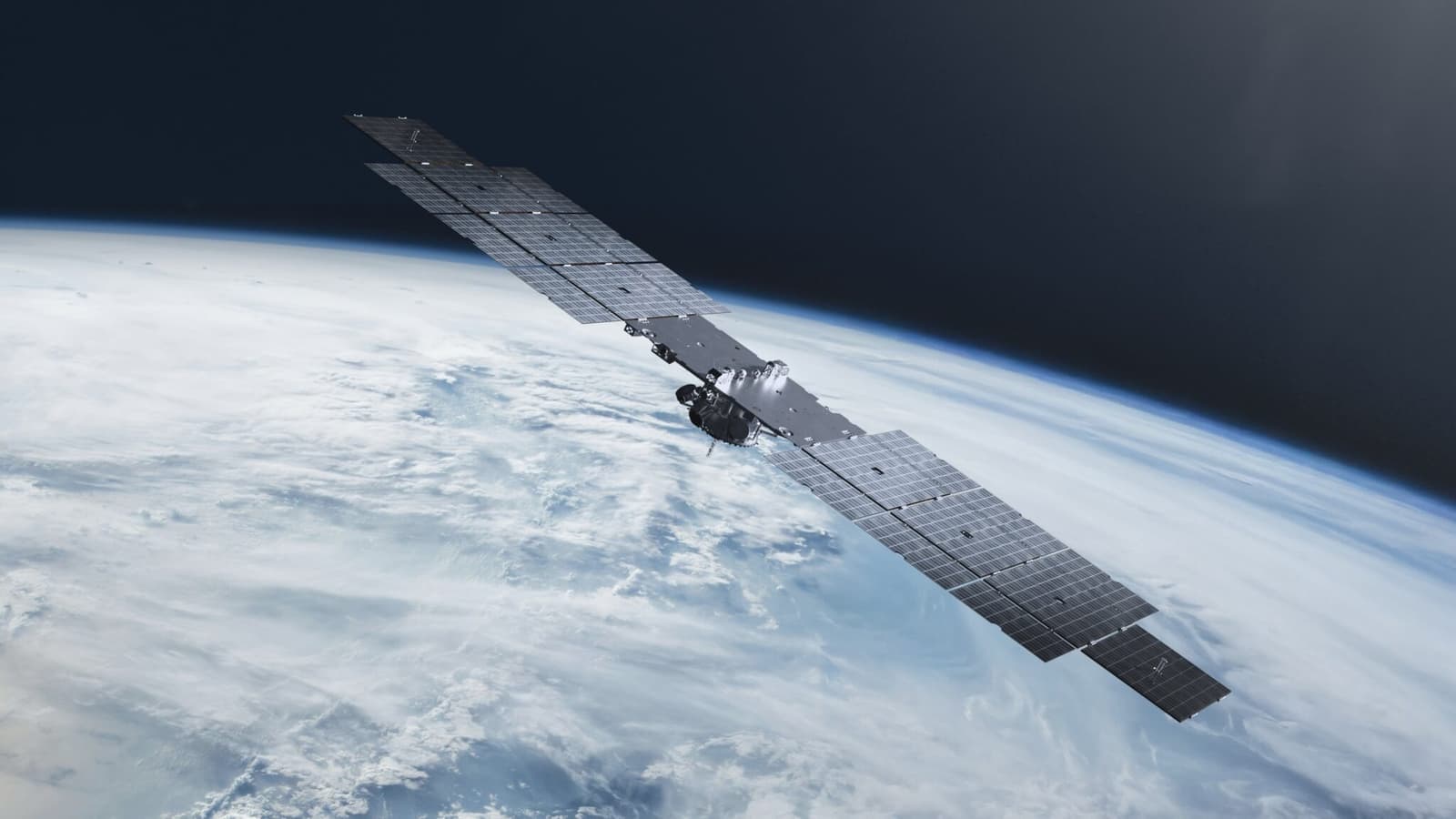
Xona plans 258 LEO satellites for GPS-like service
That gave the team confidence in both the design and the manufacturing approach developed at Langley, which used the Integrated Structural Assembly of Advanced Composites robot to produce lighter, stronger composite structures for aerospace vehicles.
The final phase was a deliberate test-to-failure. Engineers increased loads beyond the intended operating range to see how the structure and its joints would behave, particularly where the wing connects to its main strut and a secondary jury strut. Visible damage appeared near the back edge of the wing and in the upper wing cover.
NASA says this is the first time a representative composite truss-braced wing configuration has undergone this kind of structural evaluation.
The agency is now analyzing the test data to guide future airframe designs through its Subsonic Flight Demonstrator project in the Research Technology Mission Directorate.

Frontier Editor
Dan is our resident futurist, covering electric mobility, space exploration, and the smart home. He's interested in atoms just as much as bits. Whether it's a new battery chemistry, a reusable rocket, or a protocol that finally makes IoT devices talk to each other, Dan breaks down the engineering that pushes humanity forward.
via TechXplore