• 2 min read
Moscow’s delivery robots now handle 1,500 orders a day
More than 400 sidewalk robots are making over 1,500 deliveries a day across 51 Moscow districts, with average waits of about 15 minutes.
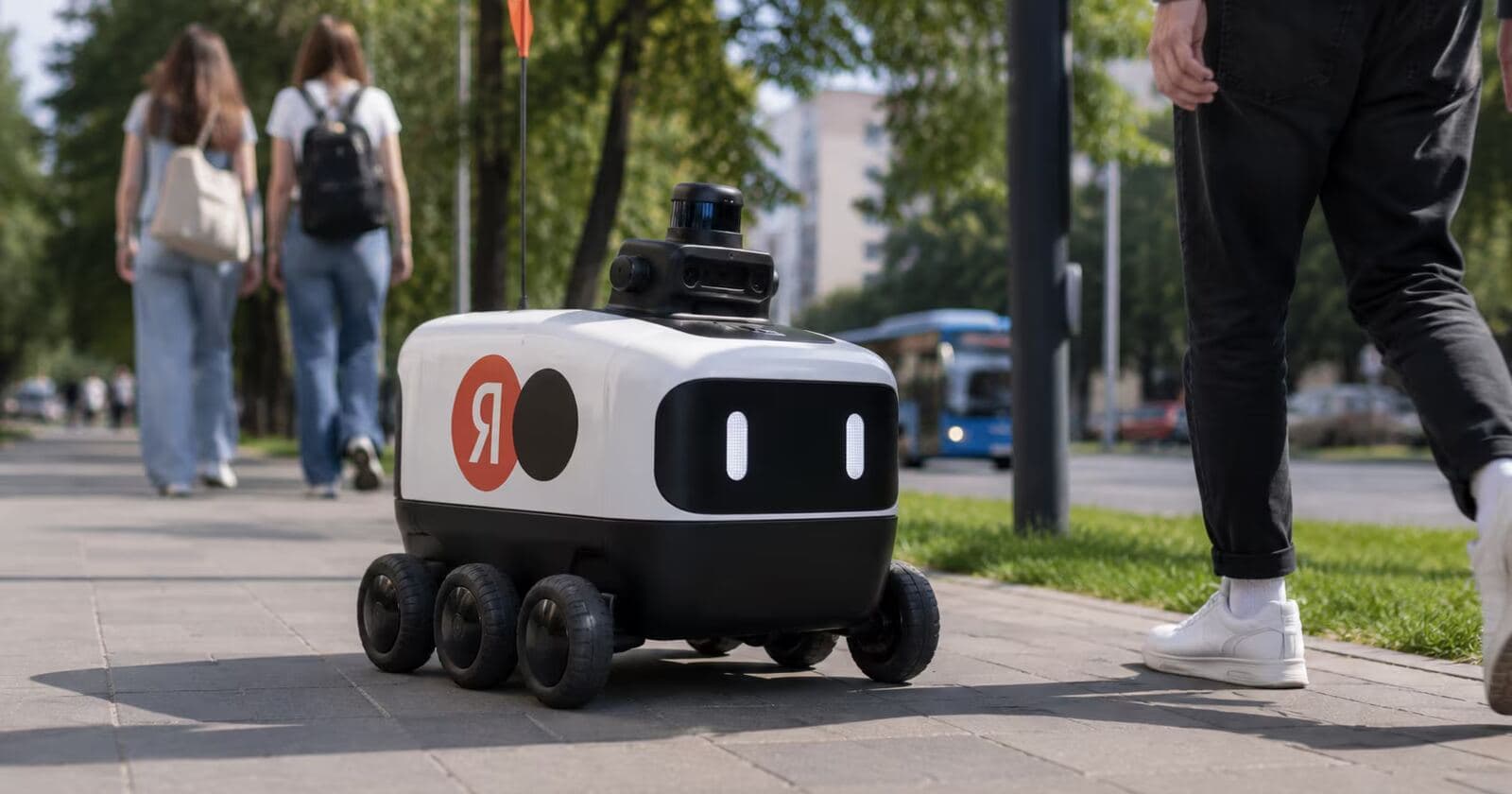
Image: ITzine
Robot delivery in Moscow has moved well beyond the pilot stage. More than 400 rovers are now delivering over 1,500 orders per day across 51 districts, according to the service cited by the source. Average wait time is about 15 minutes, and the operating area has recently expanded by another 31 districts.
That scale makes the system look less like a tech demo and more like routine urban logistics. On short routes, the service is already approaching the speed of conventional courier delivery.
The rollout started in limited zones with short, predictable routes, then gradually spread across more neighborhoods. Even so, the model has clear limits. Rovers do not tire and do not miss shifts, but they still have to navigate around pedestrians, bicycles, and poorly parked cars blocking sidewalks.
Moscow is a relatively favorable environment for this kind of delivery: dense development, short distances between pickup and drop-off points, and strong demand for fast delivery. Those conditions are far easier for robotic couriers than suburban or low-rise areas, where routes become longer and more complex.
Recommended reading
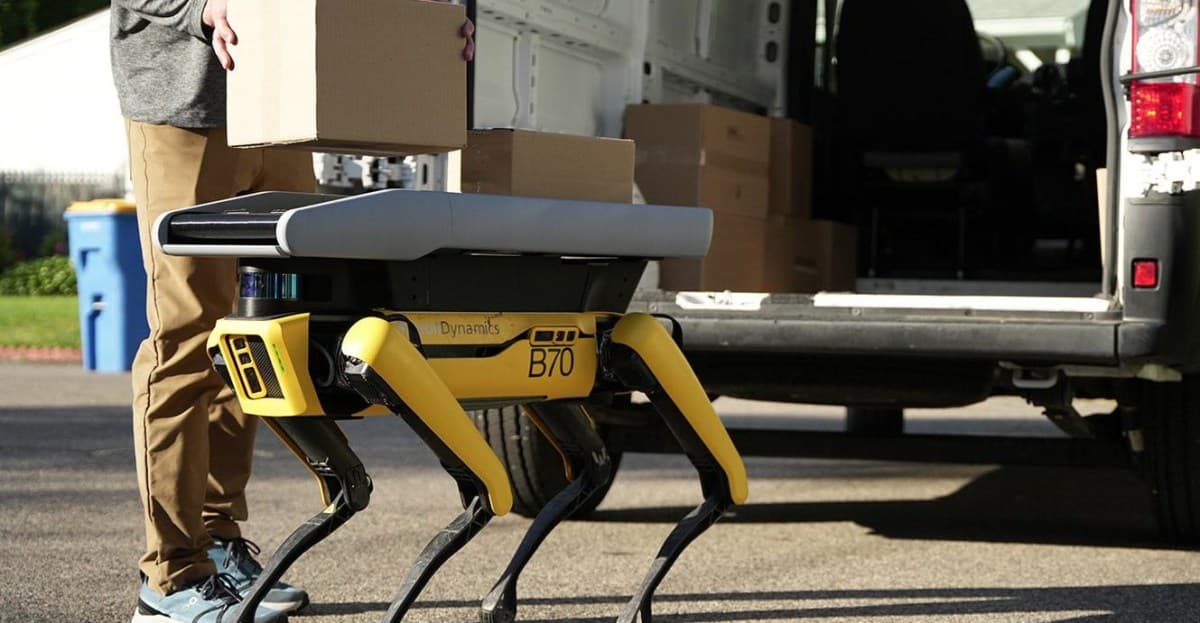
Boston Dynamics puts Spot to work on deliveries
A more ambitious next step is now under discussion. The Institute of Robotic Systems is in talks with Moscow authorities about a pilot involving the humanoid robot Arcus, which would enter buildings and travel up to recipients.
That would be a much harder problem than sidewalk delivery. A wheeled rover can handle the trip to the entrance, but a humanoid robot would need to deal with doors, elevators, stairs, and indoor navigation—areas where mistakes are more likely and more costly.
The project is planned for launch in several districts by the end of 2026. One Arcus unit is estimated to cost about 1.8 million rubles, so the initial test is expected to remain limited rather than jump straight to mass deployment.

Frontier Editor
Dan is our resident futurist, covering electric mobility, space exploration, and the smart home. He's interested in atoms just as much as bits. Whether it's a new battery chemistry, a reusable rocket, or a protocol that finally makes IoT devices talk to each other, Dan breaks down the engineering that pushes humanity forward.
via ITzine