• 2 min read
Tesla says it’s building a wheelchair-ready robotaxi
Tesla told D.C. lawmakers it is developing a wheelchair-accessible autonomous vehicle in Texas, though it gave no production timeline.
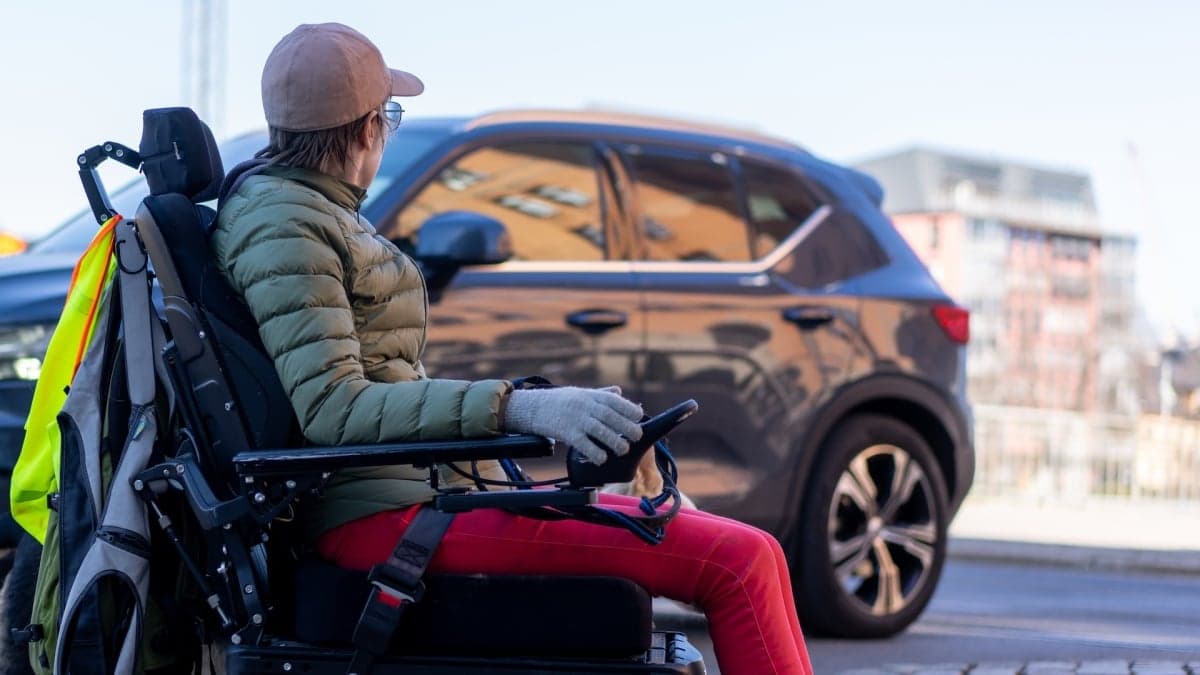
Image: Mashable
Tesla says it is developing a wheelchair-accessible autonomous vehicle, a category no self-driving company has yet brought to market.
The claim came from India Herdman, a Tesla senior policy adviser, during a Monday appearance before the D.C. City Council, where lawmakers were considering a proposal to legalize robotaxis in the nation’s capital. According to Wired, Herdman said the vehicle is being developed in Texas, where Tesla is headquartered, but did not give a timetable for production.
That would be a notable first. Waymo, the current leader in autonomous vehicles, does not yet offer a wheelchair-accessible vehicle either. At the same council meeting, Matt Walsh, Waymo’s regional head of state and local policy, said the Google-owned company is also working on one, but has struggled to find
Recommended reading
GAC doubles EV battery warranty to 300,000 km
“a platform that is fully wheelchair-accessible while also meeting the unique specifications to retrofit that vehicle with our technology.”
Waymo’s newer autonomous vehicle, the Ojai, includes accessibility-related features such as grab bars and a flat floor that sits lower to the ground than its usual Jaguar I-Pace fleet. Even so, it still cannot carry a wheelchair user in their chair.
For now, wheelchair users rely on traditional ride-hailing services such as Lyft and Uber. Uber is currently facing a Justice Department lawsuit alleging it violated the Americans with Disabilities Act by failing to do enough to accommodate disabled riders.
A successful launch would be a significant win for Tesla, which is still not a front-runner in autonomous vehicles. Waymo operates in San Francisco, Los Angeles, Phoenix, Atlanta, Miami, and Houston, while Tesla’s cybercabs are described here as mostly limited to Houston, Dallas, and Austin.
Tesla has also signaled its broader accessibility goals on its website, saying it is “building an autonomous future that is accessible to all people.” The company adds that its Robotaxi vehicles are designed to support needs including space for service animals and room to store some wheelchairs and other assistive devices. Tesla also says its app is available in 29 languages, with more on the way.

Frontier Editor
Dan is our resident futurist, covering electric mobility, space exploration, and the smart home. He's interested in atoms just as much as bits. Whether it's a new battery chemistry, a reusable rocket, or a protocol that finally makes IoT devices talk to each other, Dan breaks down the engineering that pushes humanity forward.
via Mashable