• 2 min read
Minsk Tractor Works swaps coke furnaces for Chinese induction units
Minsk Tractor Works will replace old open-type coke cupolas with Chinese induction furnaces as part of a broader factory modernization push.
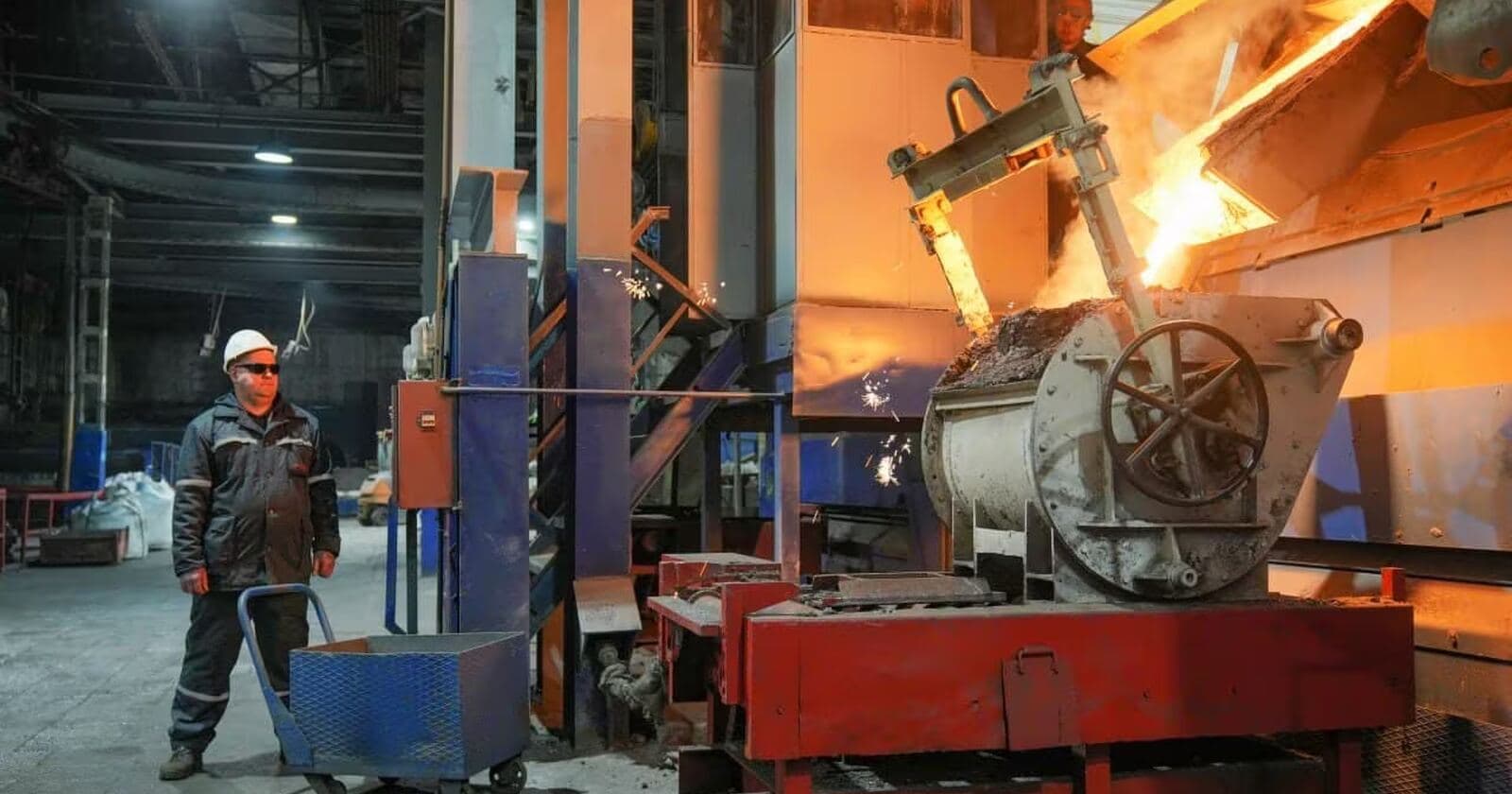
Image: ITzine
Minsk Tractor Works (MTZ) is replacing the old open-type coke cupolas in its first foundry division with Chinese induction furnaces, a shift the company expects will make metal melting more precise while cutting energy use.
For MTZ, this is not a one-off equipment purchase but part of a longer-running upgrade of its production lines. In a plant like this, foundry operations are critical: the quality of the metal directly affects the parts that later go into tractors and other machinery. Induction furnaces are typically used where tighter temperature control is needed and where manufacturers want to reduce reliance on coke.
The move fits a wider industrial pattern as factories pursue not just output, but also fuel savings and lower emissions.
Recommended reading
Rostec aims for 6,000 industrial robots a year by 2030
How MTZ has been modernizing production
MTZ has already launched other projects aimed at replacing traditional processes with more automated ones. In the forging shop, for example, the plant installed automatic disc cutting machines to prepare rolled metal, replacing an older setup that used gas preheating before cutting on press shears.
Another recent example is the modernization of a thermal furnace at Foundry Production No. 3. MTZ added an automatic system to monitor and regulate the gas supply. According to the company, that change delivered savings of more than 250 tons of fuel per year.
Those numbers help explain why the plant continues to invest in energy-efficient production areas. Against that backdrop, the switch to induction equipment looks like a logical next step in MTZ’s modernization program, with potential gains in both process control and energy costs.

Enterprise Editor
Marcus follows the money. He covers enterprise software, cloud architecture, and the tectonic shifts in Big Tech strategy. He translates dense earnings calls and complex M&A activity into actionable insights about where the industry is actually heading. If a tech giant makes a silent pivot, Marcus is usually the first to notice.
via ITzine