• 2 min read
Rostec aims for 6,000 industrial robots a year by 2030
Rostec says it plans to scale annual industrial robot output in Russia from 550 units to 6,000 by 2030, with 75% localization.
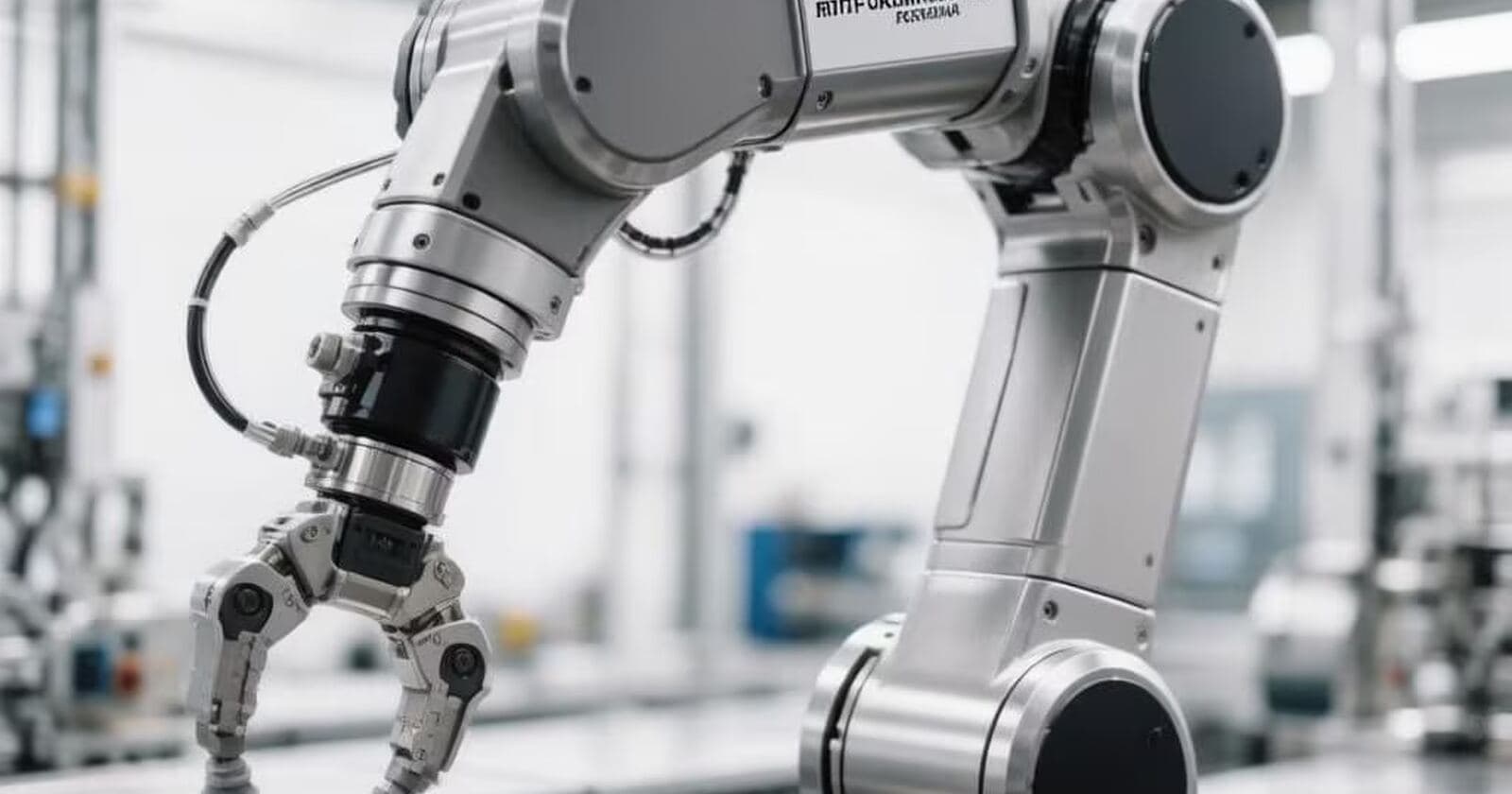
Image: ITzine
Rostec wants to ramp up production of industrial robots in Russia from up to 550 units a year today to 6,000 annually by 2030. The target was outlined by Sergey Chemezov during a meeting with Mikhail Mishustin, marking a much more aggressive push into a segment where domestic offerings remain limited.
According to Chemezov, Rostec’s robots are now 75% localized. The state corporation says it develops the mechanical design, electronics, and software itself, and has already received eight patents for its systems. So far, it has assembled 100 robots of its own design, and plans to produce another 300 by the end of 2026.
For now, Rostec itself is the main customer. But several robots have already been sent for trials at Russian Railways (RZD) and GAZ Group. The machines are aimed at standard factory operations where repeatability matters and manual labor can be reduced, including:
- welding
- machine tending
- applying glue and sealant
- assembly
- palletizing
- quality inspection
The operator does not disappear from the process. Instead, the role shifts toward setting up and supervising an automated production line. That matters in Russian manufacturing, where labor shortages are becoming more visible, while fully lights-out factories remain more of a presentation concept than a day-to-day reality.

Recommended reading
Alibaba opens SAIL to loosen Nvidia’s CUDA grip
The 6,000-unit goal is significant by Russian standards and notable against the global market. The article cites data from the International Federation of Robotics showing that more than half a million industrial robots are installed worldwide each year, with China remaining the long-time leader. Russia’s robot density still sits well below the global average, suggesting room for demand across automotive, machine-building, and logistics. Whether that demand turns into large-scale orders will depend on price, reliability, and whether the current trials at RZD and GAZ Group become serial contracts.

Enterprise Editor
Marcus follows the money. He covers enterprise software, cloud architecture, and the tectonic shifts in Big Tech strategy. He translates dense earnings calls and complex M&A activity into actionable insights about where the industry is actually heading. If a tech giant makes a silent pivot, Marcus is usually the first to notice.
via ITzine