• 2 min read
Nokia and Nvidia target 2027 with first commercial AI-RAN
Nokia says its new AI-RAN platform with Nvidia can more than double spectral efficiency by 2028, with pilots due this year and a 2027 launch.
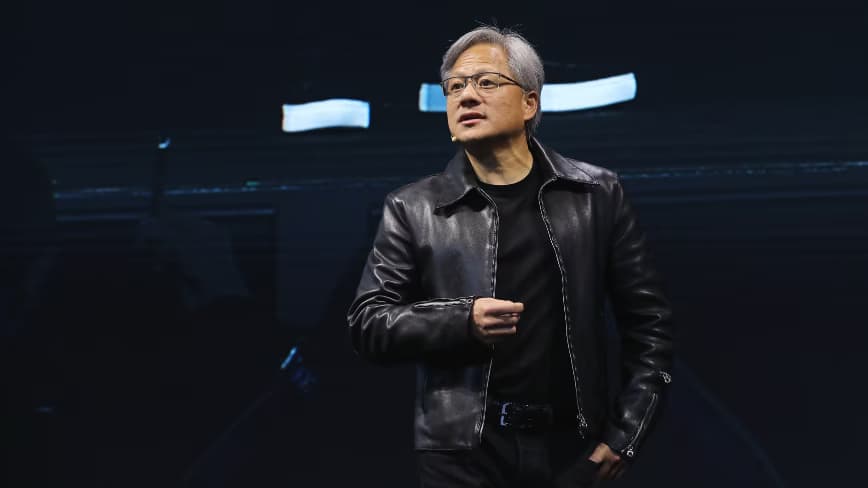
Image: TNW
Nokia says it has built the industry’s first commercial AI-RAN platform with Nvidia, a system the company describes as the biggest shift in radio technology in decades. The goal is straightforward: run the radio access network — the equipment connecting phones to wider mobile networks — on AI chips rather than fixed-function hardware, and squeeze much more traffic through the same spectrum.
That is the core sales pitch. Spectrum is expensive and limited, so any jump in efficiency matters. Nokia says the platform has already delivered more than 20% gains in spectral efficiency, expects 50% by 2027, and more than 100% by 2028. Pilots are set to begin at the end of this year, with a commercial launch planned for 2027.
The system combines Nokia anyRAN software with Nvidia Aerial. Rather than forcing operators to replace existing networks, Nokia says they could add an AI unit to current base stations or run the system in the cloud. The company is also pushing a different business model: selling upgrades as software subscriptions instead of requiring expensive hardware replacements.
According to Bloomberg, Nokia chief executive Justin Hotard said software subscriptions will become the main driver of its RAN business. He also said the hardware would not cost “materially” more than current equipment.
Nvidia’s $1bn Nokia bet
The partnership follows Nvidia’s $1bn stake in Nokia last October. This AI-RAN platform is the first major product to emerge from that tie-up. Investors have responded positively: Nokia shares are up about 90% this year.

Recommended reading
FBI eyes Nvidia and Google TPU AI systems
Jensen Huang, Nvidia’s CEO, cast the effort in expansive terms.
“The next AI infrastructure,” and the plan is to turn the RAN into “a planet-scale AI computer.”
The broader aim is to process data closer to the user, reducing latency for applications such as robots and self-driving cars — while also extending Nvidia’s chip footprint deeper into telecom networks.
Nvidia is not limiting that strategy to Nokia. At Mobile World Congress, it also lined up Ericsson, Deutsche Telekom, T-Mobile, SK Telecom, and SoftBank around 6G built on AI-native infrastructure. Ericsson, however, has taken a different route, staying focused on mobile network equipment rather than data centres. As its outgoing chief put it, the company chose “a different part of the value chain.”
For mobile operators, the appeal is obvious: carry more traffic without buying more spectrum. The harder question is whether AI-RAN can deliver those gains outside lab conditions. That real-world test begins in 2027.

Enterprise Editor
Marcus follows the money. He covers enterprise software, cloud architecture, and the tectonic shifts in Big Tech strategy. He translates dense earnings calls and complex M&A activity into actionable insights about where the industry is actually heading. If a tech giant makes a silent pivot, Marcus is usually the first to notice.
via TNW