• 2 min read
Nubia unveils NaviX Ultra with on-device AI agent
Nubia showed off the NaviX Ultra at WAIC in Shanghai, pitching it as an AI-agent smartphone focused on handling requests on the device itself.
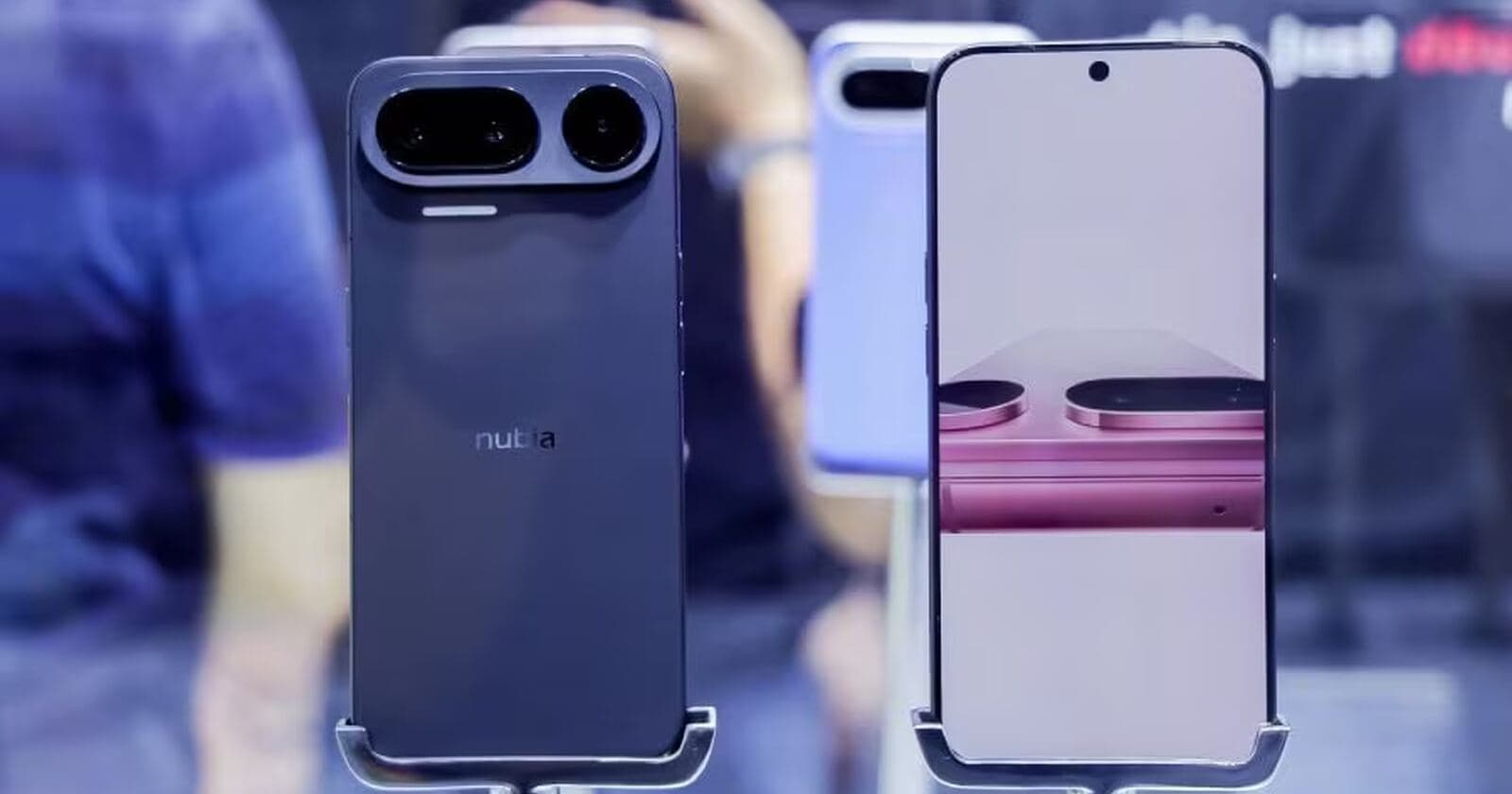
Image: gizmochina
Nubia has introduced the NaviX Ultra, a smartphone built around an AI agent designed to process requests directly on the device. The company staged the debut at the World Artificial Intelligence Conference in Shanghai and describes the model as the world’s first AI-agent smartphone.
That is a bold claim in a market that is already moving in the same direction. Other phones in China are pursuing similar ideas, and nearly every major brand is now pushing some form of local AI.
According to the report, the software side is handled by Doubao. Ni Fei, senior vice president of ZTE Corporation and president of Nubia, said Doubao brings the large models and agent functions, while Nubia provides the hardware, software integration, and overall product assembly. He also linked the NaviX Ultra to the earlier M153 test project, calling this launch the result of several rounds of verification and refinement.
Recommended reading
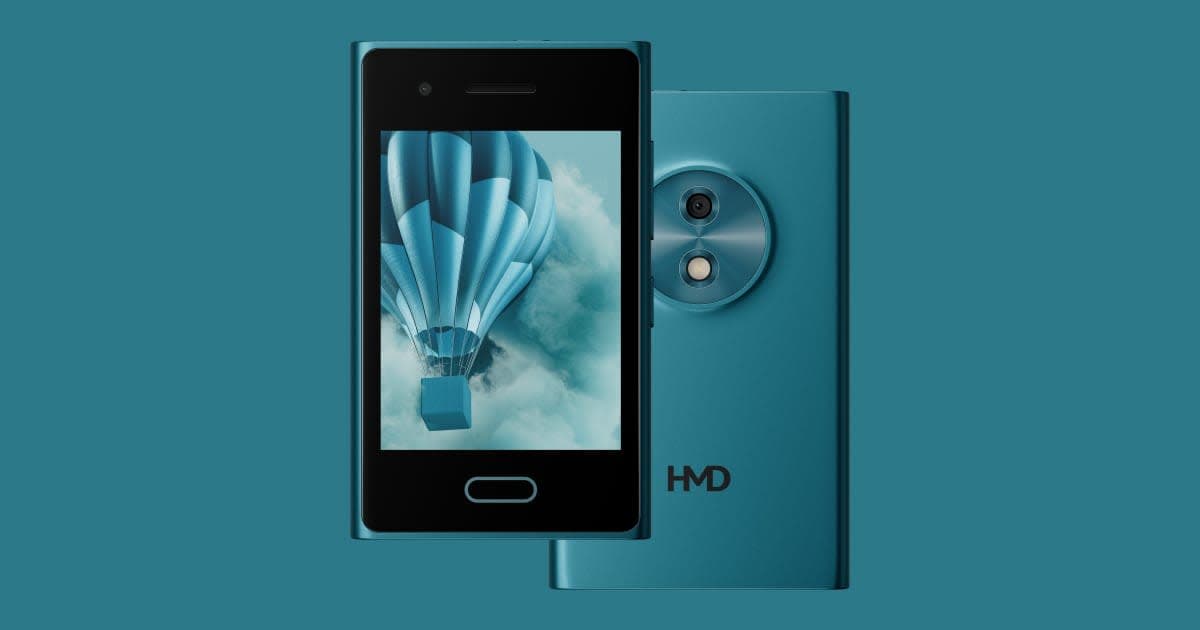
HMD Touch 4G blurs the line between feature and smartphone
The hardware details disclosed so far include:
- Four colors: Blue, Dream, Obsidian Black, and Snowfield
- A pink finish for the rear panel and camera block on the Dream version
- A rear horizontal triple-camera module, including a periscope telephoto lens
- A flat front display with symmetrical bezels and a centered hole-punch camera
- A dedicated orange side button for launching the AI assistant
Nubia says the phone can handle multi-step tasks across apps, including price comparisons, ordering, and trip planning. The key pitch is that most AI processing happens on the device rather than in the cloud.
That on-device approach has become a major battleground for AI phones. Vendors are trying to cut latency, reduce dependence on network connections, and argue that user data does not need to be sent to the cloud unnecessarily. Nubia’s angle is slightly different: not just an assistant with isolated features, but a phone meant to interpret a request and carry it through to action.
The company has not announced pricing or a sales timeline. For now, the NaviX Ultra remains a showcase concept with unclear prospects for mass-market release or regional availability. Rival brands including Samsung, Google, and other Chinese phone makers are also speeding up AI features on smartphones, but in most cases those efforts still look more like assistant add-ons than a full agent-led approach.

Gadgets Editor
Eli is obsessed with the tangible future. He reviews phones, wearables, and everything with a battery. Known for his rigorous testing protocols and unabashed teardowns, Eli has broken more review units than he cares to admit, all in the name of discovering the truth about durability and repairability.
via ITzine