• 2 min read
India’s Gaganyaan Clears Splashdown Tests, Launch Still Unset
ISRO says three key Gaganyaan crew module tests have passed, but it still has not given a firm launch date for India’s first crewed mission.
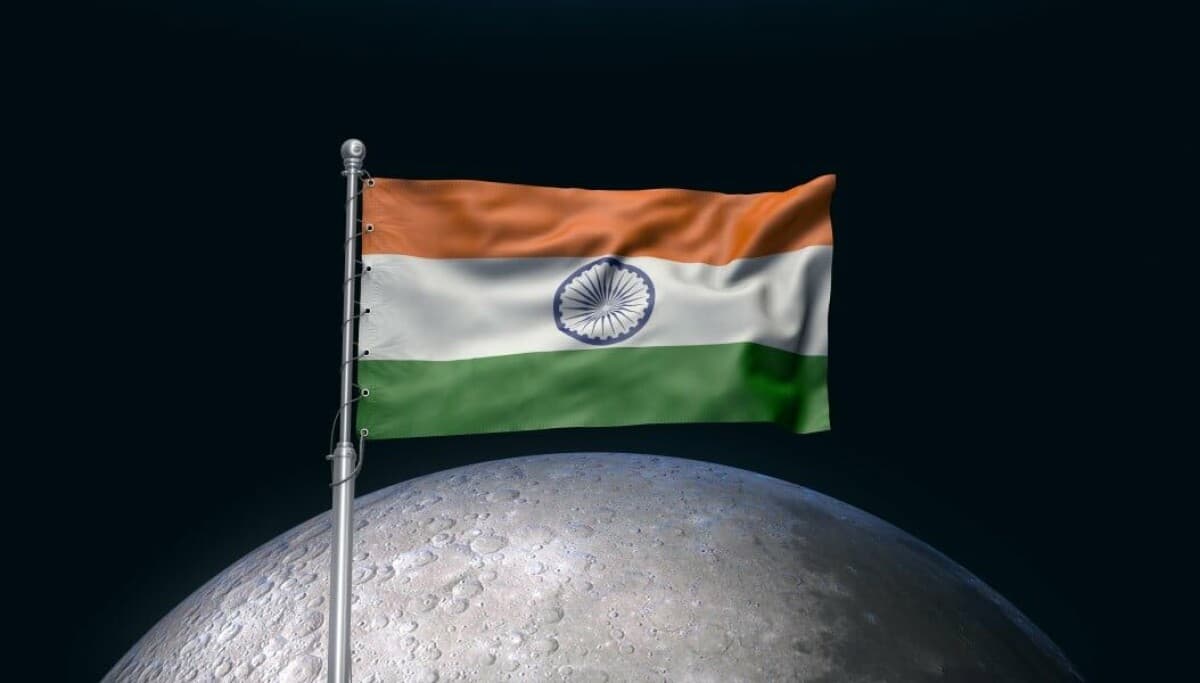
Image: The Register
India’s first crewed space program has passed another set of technical milestones, but ISRO still is not saying when Gaganyaan will actually fly.
The Indian Space Research Organisation said on Sunday it successfully completed three major qualification tests for the mission’s crew module, which will carry astronauts into orbit aboard the Human-Rated Launch Vehicle Mark 3 (HLVM3). The agency has already launched the cargo-rated LVM3 rocket nine times with a perfect success rate.
According to ISRO, the latest tests covered three critical systems:
- the primary flotation unit, designed to right the crew module after splashdown
- the mechanism that disconnects the umbilical links between the crew and service modules
- the crew module structure’s ability to withstand loads created when the parachute cover separates
These tests add to a longer run of Gaganyaan qualification work. In July last year, ISRO tested the Service Module Propulsion System (SMPS) and said it was ready to raise and maintain orbit, support an emergency mission abort, and carry out deorbit maneuvers before re-entry.
What remains unclear is the schedule. Gaganyaan was originally meant to make its first crewed flight in 2022, a mission that would make India only the fourth nation to put humans into orbit. That target later slipped to 2024. ISRO then planned an uncrewed flight carrying a robot astronaut in 2025, but missed that deadline as well.
Recommended reading
NASA puts Starlink Mini on Orion for Artemis III
Since then, officials and ministers have suggested test flights in 2027 and crewed missions in 2028. ISRO, however, has not published a firm timeline. Given the technical difficulty and political weight of a first human spaceflight program, that caution may be the clearest signal yet that Gaganyaan is progressing — just not on a public schedule.

Frontier Editor
Dan is our resident futurist, covering electric mobility, space exploration, and the smart home. He's interested in atoms just as much as bits. Whether it's a new battery chemistry, a reusable rocket, or a protocol that finally makes IoT devices talk to each other, Dan breaks down the engineering that pushes humanity forward.
via The Register