• 2 min read
Oracle’s 2.5GW data center hits permit block
New Mexico rejected a 27km gas line for Oracle’s planned 2.5GW data center, citing water use, CO2 emissions, and limited state revenue.
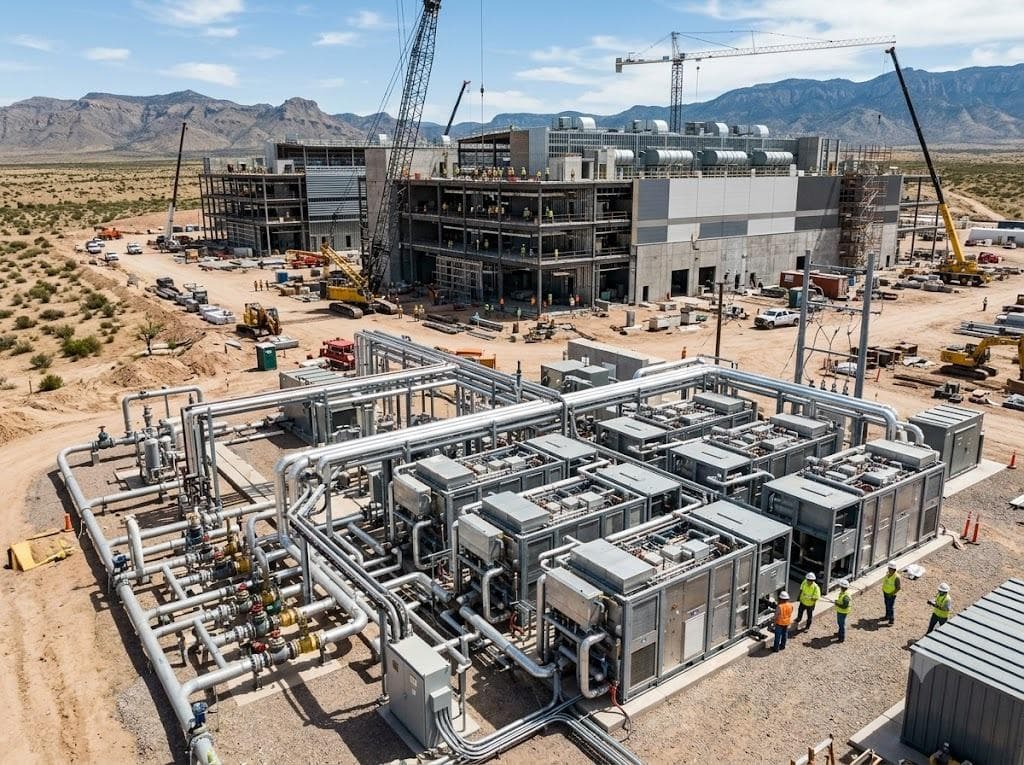
Image: iXBT
Oracle’s planned 2.5GW data center in New Mexico has been delayed after state regulators blocked a key piece of gas infrastructure needed to power the site.
The state land office rejected an application for the Green Chile Project, a 27-kilometer gas pipeline extension that would have supplied up to 400 million cubic feet of natural gas per day. The fuel was intended for 2.5GW of Bloom fuel cells planned for the Jupiter data center campus.
New Mexico officials said the rejection was based on concerns over potentially high water consumption, higher CO2 emissions, and a lack of meaningful revenue for the state. It is the second failed attempt to secure approval for the gas line after an initial application was denied in March.

Recommended reading
Microsoft taps Mistral in multi-billion AI infrastructure deal
According to the source, Oracle had asked federal regulators to fast-track the project so the pipeline could begin operating by August 15. Missing that deadline could significantly increase costs. If approval does not come through, the company may have to reroute the pipeline across state land, which would require new agreements with landowners and could further delay construction.
Project Jupiter was unveiled in January as a roughly 567-hectare campus with four data center buildings. It is being developed by Stack and BorderPlex Digital Assets, which previously said they could invest up to $165 billion in the site. Once completed, Oracle plans to use the campus to host AI infrastructure for OpenAI.
The project’s power plan has also drawn scrutiny because it relies on natural gas. Oracle first signed with Bloom Energy for 1.8GW of solid oxide fuel cell capacity, then expanded that to 2.8GW. While these systems do not burn fuel directly and do not produce combustion emissions, they still run on natural gas, leaving a much larger carbon footprint than renewable-powered alternatives.
The source notes that Bloom ran into a similar issue in 2024, when Amazon dropped plans to deploy its fuel cells at three Oregon data centers because they could have produced higher emissions than the local grid, which was largely powered by hydroelectricity.

Enterprise Editor
Marcus follows the money. He covers enterprise software, cloud architecture, and the tectonic shifts in Big Tech strategy. He translates dense earnings calls and complex M&A activity into actionable insights about where the industry is actually heading. If a tech giant makes a silent pivot, Marcus is usually the first to notice.
via iXBT