• 4 min read
Polymarket’s Panama Setup Draws Fresh Scrutiny
WIRED reports that staff tied to Polymarket’s Panama entity worked from New York, raising new questions about its post-settlement structure.
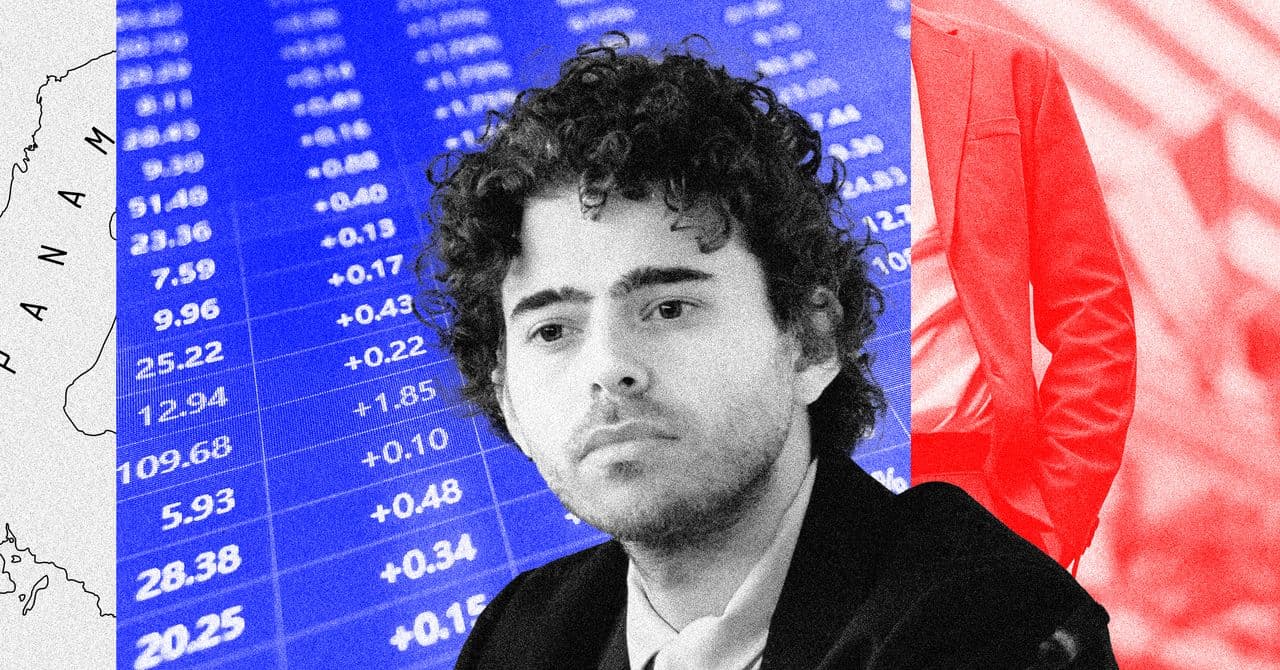
Image: Wired
Polymarket’s offshore structure is facing renewed scrutiny after WIRED reported that employees tied to its Panama-based entity, Adventure One QSS, appear to have worked from New York, including from the company’s Manhattan headquarters.
That matters because Polymarket was pushed offshore after a 2022 settlement with the Commodity Futures Trading Commission. Regulators said the company had operated as an unlicensed derivatives exchange, fined Blockratize $1.4 million, and ordered it to wind down markets that violated the Commodity Exchange Act. Under that arrangement, Adventure One QSS was set up in Panama to take over the offshore platform, while Polymarket US, created in 2025 and overseen by QCX LLC, became the only platform allowed to legally serve US customers.
Former employees told WIRED that some staff formally employed by Adventure One QSS lived and worked in New York. They said those workers did not travel to Panama, report to anyone there, or interact with Panama-based colleagues because, in their account, there were none. Instead, staff linked to the Panama entity were spread across other countries, including the US.
What WIRED found about Adventure One QSS
The reporting lines up with earlier NPR coverage, which found that the company’s listed headquarters in a Panama City skyscraper was empty and that it had no Panama-based staff. One former employee told WIRED that the New York workers who “touched code,” set up event contracts, or otherwise handled the offshore platform were technically employed by Adventure One QSS, but that “there was no barrier” between the company’s corporate arms in practice.
Corporate records reported by Sportico show that Adventure One QSS initially listed Panama residents when it was incorporated in 2021, including lawyer Mario Ernesto García de Paredes as resident agent. Diana Munoz was listed as president for two months before being replaced by Polymarket CEO Shayne Coplan, who is based in New York. Omar Camargo was listed as secretary. García de Paredes did not respond to WIRED, and Munoz and Camargo could not be reached.

Recommended reading
Valar Atomics targets $6B as Sequoia eyes new round
Former CFTC officials told WIRED the physical location of staff could be relevant to the original settlement. Joseph Konizeski, a former chief trial attorney in the CFTC’s enforcement division, said that properly moving operations to Panama would have required Polymarket to:
- hire new staff offshore
- move corporate infrastructure offshore
- stop accepting funds from US customers
Another former CFTC lawyer told WIRED:
“We would have really liked to know that the people purportedly in Panama weren’t actually in Panama.”
Ongoing CFTC investigation
Polymarket declined to comment, and the CFTC declined WIRED’s requests for comment on whether the setup complies with the agreement. The agency has not accused Adventure One QSS of wrongdoing, and it remains unclear whether it would currently object to employees of the Panamanian entity working from New York. Still, financial regulation expert Todd Phillips described the arrangement as odd, “even if it is legal.”
The company is already under fresh pressure from another direction. A recent Wall Street Journal investigation into Polymarket’s affiliate marketing practices said the company built copies of its website for influencer partners to make fake winning bets, prompting calls for a federal probe. Polymarket said it would audit its active promotional content.
Around the same time, the WSJ reported that the CFTC is investigating Polymarket. Sources familiar with the matter confirmed to WIRED that the investigation is ongoing. Former CFTC enforcement trial attorney Jack Murphy said the agency under the current administration has not focused on cases that are simply about operating allegedly unlicensed exchanges, suggesting this inquiry may be narrower and more targeted.
“The CFTC’s Enforcement Division is prioritizing investigations involving intentional misconduct and is focused on protecting retail traders.” “An investigation into deceptive marketing practices, like those that have been alleged in relation to Polymarket, would be very much in line with those priorities.”

Enterprise Editor
Marcus follows the money. He covers enterprise software, cloud architecture, and the tectonic shifts in Big Tech strategy. He translates dense earnings calls and complex M&A activity into actionable insights about where the industry is actually heading. If a tech giant makes a silent pivot, Marcus is usually the first to notice.
via Wired