• 2 min read
This startup takes 20% if its AI gets you hired
Refer says its AI agent can land interviews fast, but job seekers pay 20% of their first month’s salary if it works.
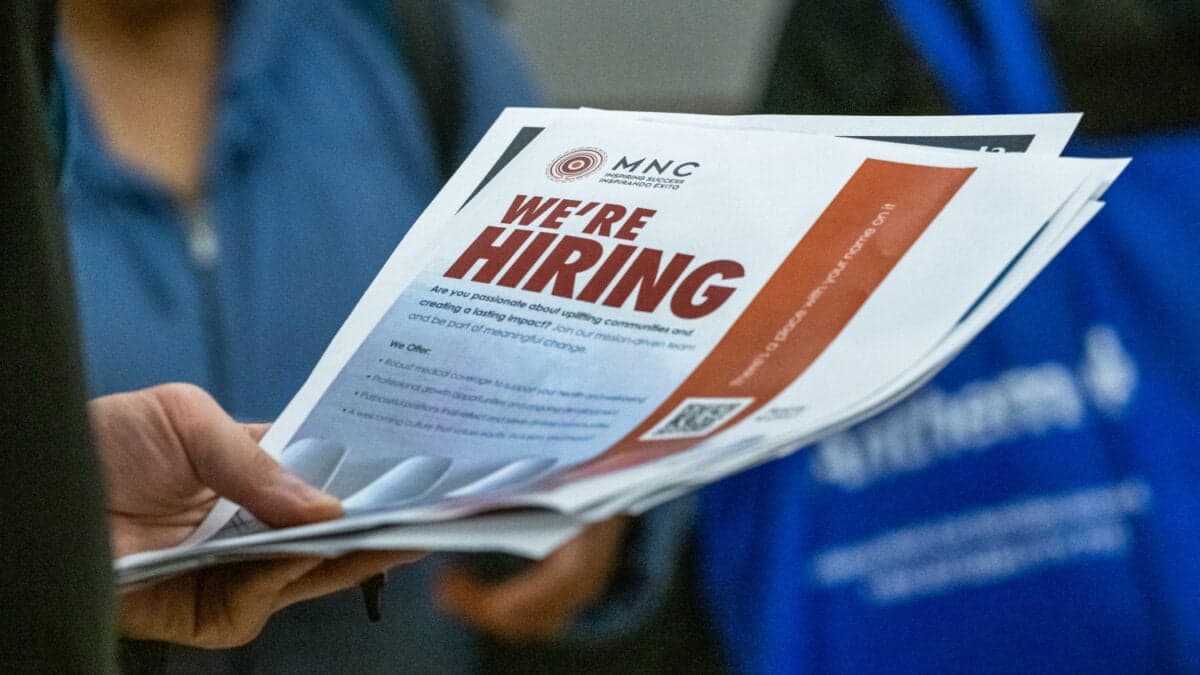
Image: Gizmodo
A startup called Refer is pitching itself as a reverse recruiter for job seekers: instead of helping companies fill roles, it represents candidates and introduces them to employers that may be a match. The twist is who pays. If Refer’s AI agent, called Lia, helps someone get hired, the candidate owes 20% of their first month’s salary.
According to Business Insider, users tell Lia about their background, the kind of role and company they want, and their desired pay. The agent then surfaces potential matches. If a candidate approves one, Lia drafts an introductory email and sends it to the hiring manager.
Refer claims the model is already producing results. Per Business Insider, the company says more than half of its candidates get an interview within 24 hours of an introduction. It also says it has facilitated more than 5,000 interviews and is now working with more than 2,000 employers that allow Lia to send referrals.
The service appears to be focused largely on well-paid tech jobs, which may make the fee easier to swallow for some applicants. Still, charging people who are already looking for work is a notable shift from the traditional recruiting model, where employers typically cover the cost.

Recommended reading
AI boom drives record bank fees in the US
That tension is the core of Refer’s pitch: in a hiring market increasingly shaped by automated resumes, cover letters, and screening tools, the company is selling automation as an advantage for workers too. But even in that setup, employers still control access to interviews and hiring decisions — while the candidate picks up the bill if it works.

Enterprise Editor
Marcus follows the money. He covers enterprise software, cloud architecture, and the tectonic shifts in Big Tech strategy. He translates dense earnings calls and complex M&A activity into actionable insights about where the industry is actually heading. If a tech giant makes a silent pivot, Marcus is usually the first to notice.
via Gizmodo