• 2 min read
Samsung Puts New RX Unit on Robots and Humanoids
Samsung has created a standalone RX division for robotics and humanoids, reporting directly to the CEO, as it pushes toward commercial products.
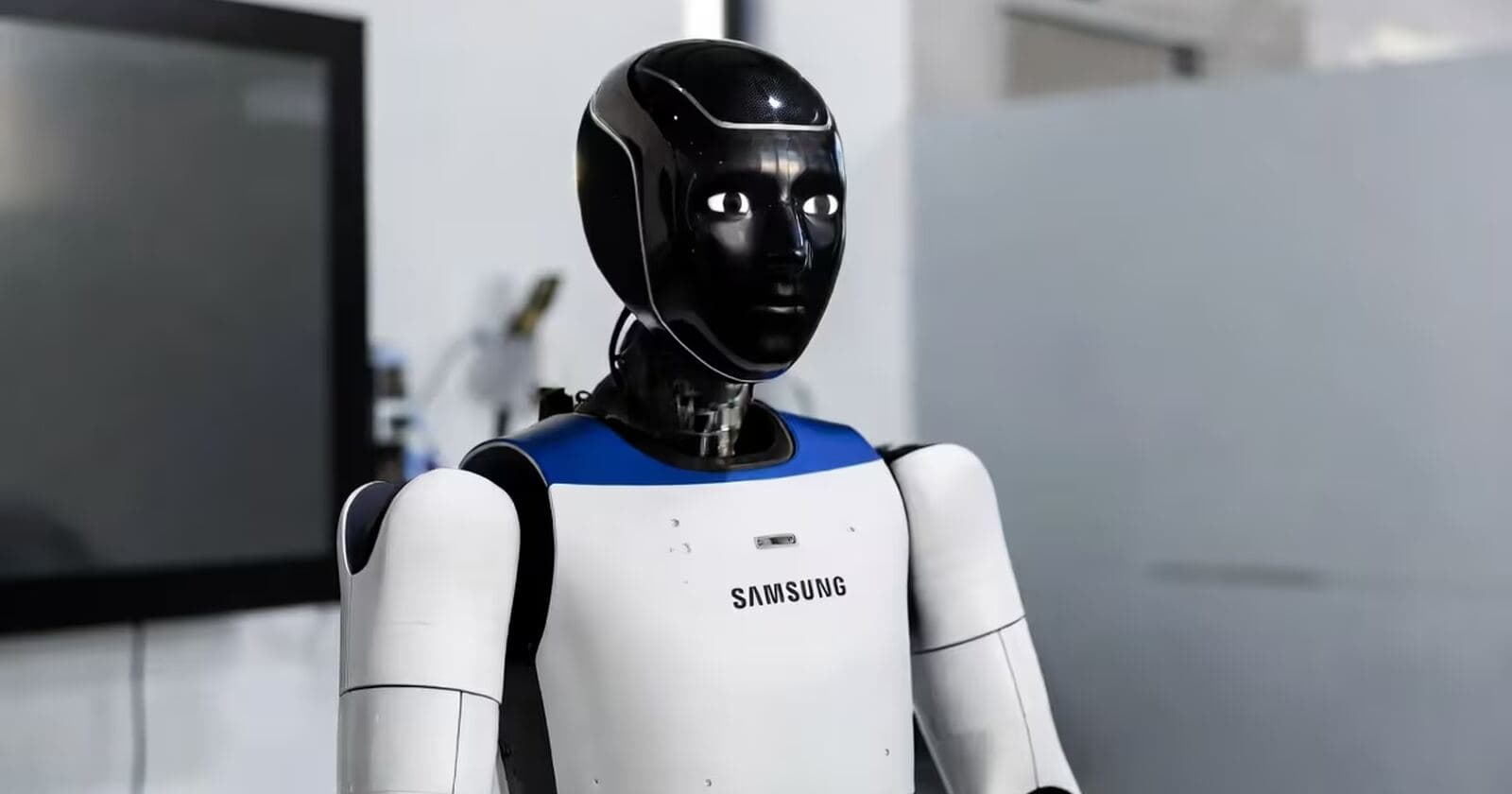
Image: ITzine
Samsung has carved out its robotics work into a standalone RX division that now reports directly to the company’s CEO. The new unit will handle strategy, technology development, and commercialization, and it will also take over humanoid robot efforts.
Samsung appointed executive vice president Lee Dongkun to lead RX. He previously oversaw robotics strategy at Hyundai Motor Group and supervised the development of Boston Dynamics, a signal that Samsung is aiming beyond lab demos and toward practical machines and sellable products.
At the same time, Samsung is opening research centers in the US, China, and Japan. The idea is straightforward: local teams, local technology ecosystems, and closer access to engineers and partners. Samsung is betting that this will help it move robots faster into real deployments in manufacturing, retail, and eventually homes.
Samsung directly ties the move to the rise of physical AI. The logic is that if models can already recognize objects, plan routes, and make decisions in digital environments, the next step is getting them to operate in real spaces filled with stairs, doors, boxes, and people.
The company is entering a market already being pushed forward by Tesla with Optimus, Figure AI, Agility Robotics, and several Chinese manufacturers. Analysts at Morgan Stanley have estimated the potential addressable market for humanoid robots at roughly $5 trillion by 2050.
Recommended reading
Judge Puts HBO Max-Paramount+ Deal on Hold
Samsung’s advantage is breadth. The company already builds much of the hardware stack, from chips and sensors to home electronics and displays. For the Korean giant, robotics is also a way to keep pace with a wave already moving through industry. According to the International Federation of Robotics, more than 4 million industrial robots were operating worldwide at the end of 2023, and demand for automation is growing faster than in many other parts of electronics.
Samsung already has experience in adjacent areas, but creating a separate structure suggests a more urgent goal: speeding up the path from research to revenue. Other tech companies have made similar moves. Hyundai acquired Boston Dynamics in 2021, while Amazon and Meta are investing in robotics through internal labs and partnerships in an effort to build integrated ecosystems around AI and mechanics.
The next test is whether RX can push Samsung beyond showcase videos and pilot programs. The first signs should emerge in the coming months, when the market sees what products and partnerships the new division is preparing to launch.

Enterprise Editor
Marcus follows the money. He covers enterprise software, cloud architecture, and the tectonic shifts in Big Tech strategy. He translates dense earnings calls and complex M&A activity into actionable insights about where the industry is actually heading. If a tech giant makes a silent pivot, Marcus is usually the first to notice.
via ITzine