• 2 min read
NASA shows Mars as a thin crescent to Psyche
NASA released a timelapse of Psyche’s May 2026 Mars flyby, showing the planet as a thin crescent during its gravity assist en route to asteroid Psyche.
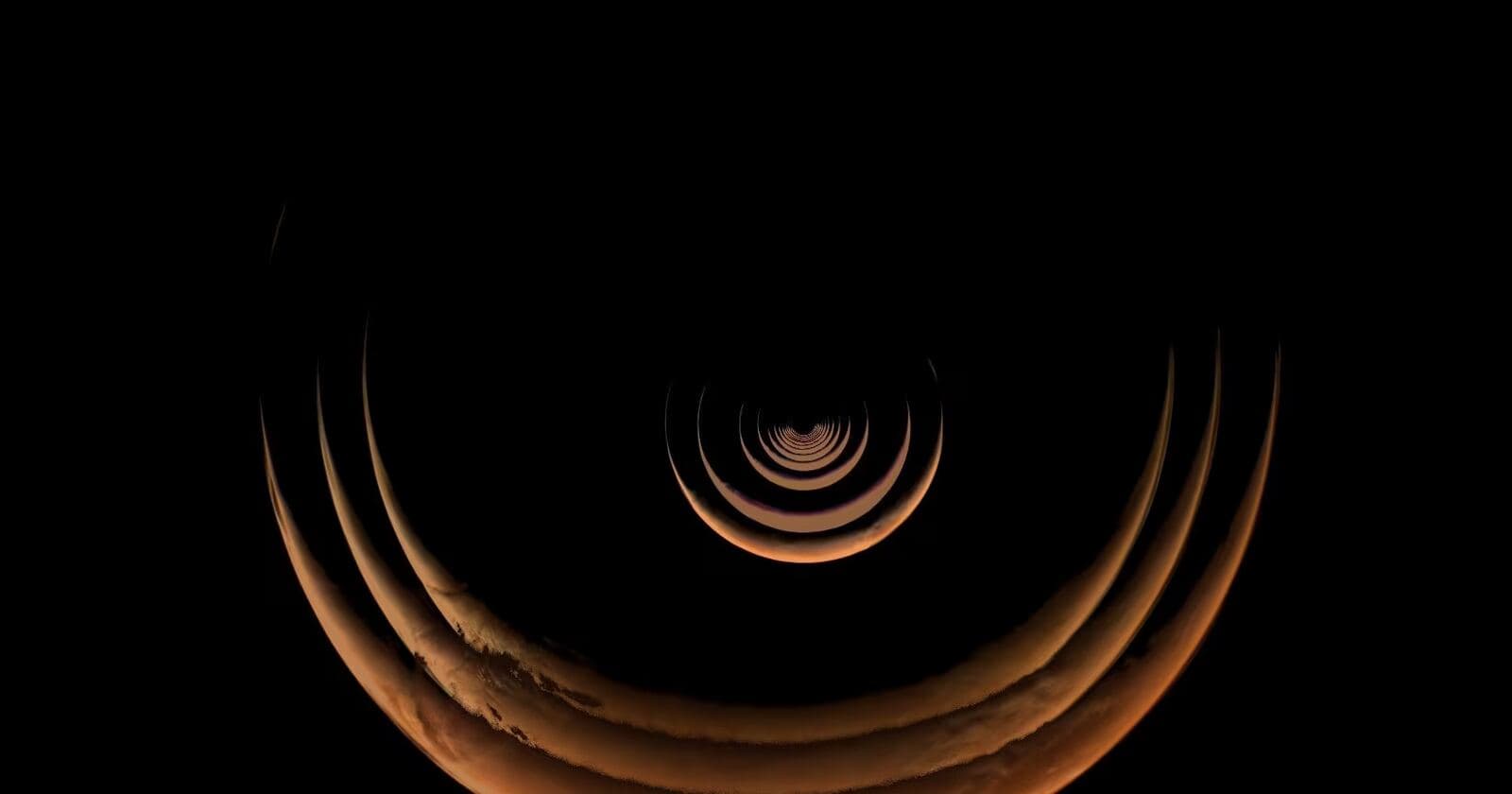
Image: ITzine
NASA has released a timelapse of the Psyche spacecraft’s close pass by Mars, captured during the probe’s May 2026 flyby. In the sequence, Mars first appears as a narrow crescent, then quickly expands across the frame before slipping out of view.
The footage was taken with the spacecraft’s multispectral camera as Psyche used Mars for a gravity assist on its way to the asteroid Psyche. Because of the geometry of the flyby, sunlight hit the planet at an angle that left only the edge facing the spacecraft illuminated from the instrument’s perspective. That is why Mars appears as a thin bright sliver instead of the more familiar full disk.
After the flyby, the mission team combined images from the approach, closest pass, and departure into a single video. NASA says the sequence is not just visually striking: engineers also use these image sets to check how the cameras perform, how accurately the spacecraft points its instruments, and whether any hardware issues appear during maneuvers.
Psyche launched in 2023 on a Falcon Heavy rocket and is expected to reach its target asteroid in 2029. The asteroid is classified as metal-rich, which is one reason the mission is seen as one of NASA’s more intriguing efforts to study the early Solar System.
Recommended reading
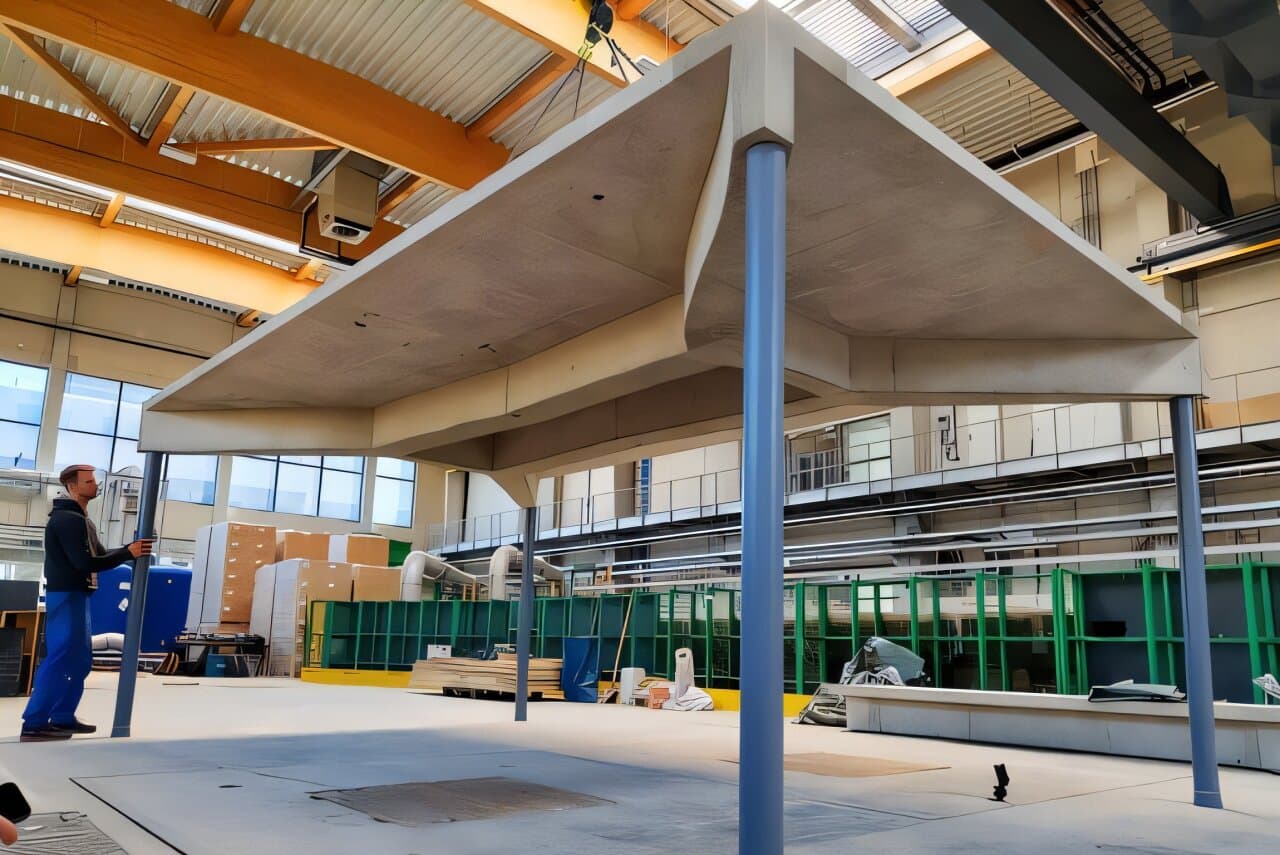
Concrete floors use up to half less material at TU Wien
Mars was not included in the route for spectacle. The flyby helps the spacecraft adjust its trajectory while saving fuel, using the planet’s gravity to reshape its path without expending as much energy.

Frontier Editor
Dan is our resident futurist, covering electric mobility, space exploration, and the smart home. He's interested in atoms just as much as bits. Whether it's a new battery chemistry, a reusable rocket, or a protocol that finally makes IoT devices talk to each other, Dan breaks down the engineering that pushes humanity forward.
via ITzine