• 2 min read
Samsung may open Yongin chip fab in 2029
Samsung could bring its first Yongin fab online in 2029, 1–2 years early, as South Korea speeds infrastructure for its biggest chip cluster.
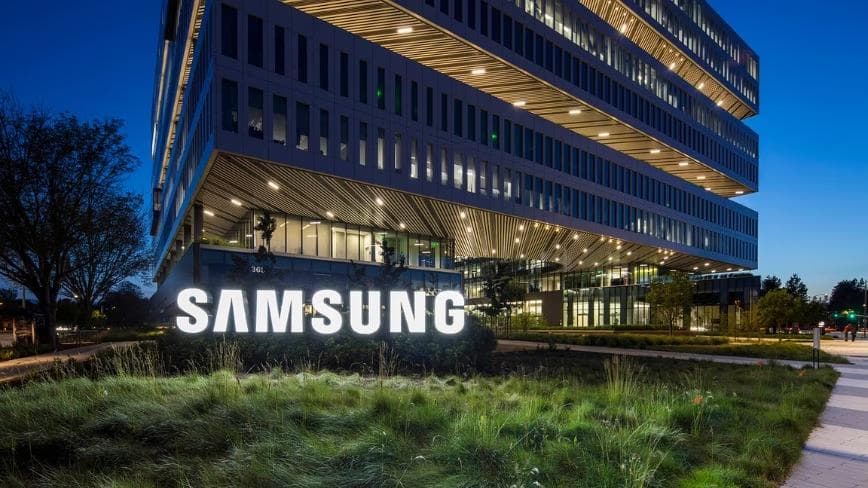
Image: iXBT
Samsung Electronics could start up the first fab in its Yongin semiconductor cluster in 2029, 1–2 years earlier than previously expected, according to Yonhap industry sources. Earlier plans pointed to 2030 or 2031, though neither Samsung nor South Korea’s Ministry of Trade, Industry and Energy has officially confirmed the revised date.
The plant is part of the Yongin National Industrial Complex, a national strategic project intended to become a new manufacturing hub for Samsung. The full complex is planned to include six fabs.
The faster timeline is tied to the government’s push to accelerate project infrastructure, including land preparation and the supply of power and water. An earlier production start would help Samsung expand output sooner as global demand for AI chips rises. In recent years, the company’s semiconductor business has been supported heavily by sales of HBM (High Bandwidth Memory), the high-performance memory used in AI servers.
Competitors are expanding too. SK Hynix, one of the world’s largest memory makers, plans to invest $51 billion in a new NAND flash plant in Cheongju, with production set to begin in the first half of 2029. That means two of the world’s three biggest memory manufacturers are aiming to add new capacity on a similar schedule.

Recommended reading
Sellbonds wants AI agents issuing debt on-chain
Samsung has previously said it plans to invest 2,030 trillion won (about $1.35 trillion) in semiconductor clusters in Pyeongtaek and Yongin under South Korea’s “megaproject” program. Another 400 trillion won is allocated for building two new fabs in Gwangju, in the country’s southwest. Those plans are part of a broader investment package presented on June 29 at a meeting led by South Korean President Lee Jae Myung.
Samsung has not said what the first Yongin fab will make — logic chips, memory, or both remain possible — and it has not disclosed whether speeding up the first plant will change the construction timeline for the other five facilities. Power access remains a central constraint: South Korean chip clusters have previously been delayed by the need to build new transmission lines.

Enterprise Editor
Marcus follows the money. He covers enterprise software, cloud architecture, and the tectonic shifts in Big Tech strategy. He translates dense earnings calls and complex M&A activity into actionable insights about where the industry is actually heading. If a tech giant makes a silent pivot, Marcus is usually the first to notice.
via iXBT