• 2 min read
Apple edges past Nvidia in market value
Apple briefly topped Nvidia on Friday, reaching a $4.89 valuation as investors weighed AI spending risks and Apple’s steadier approach.
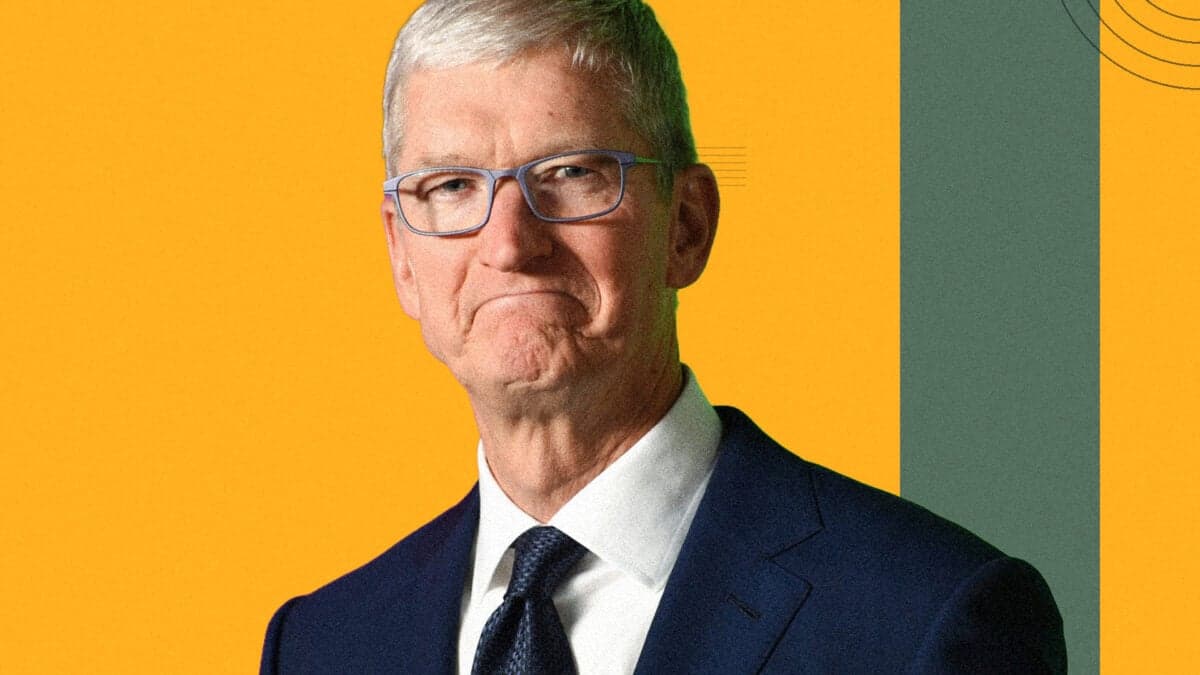
Image: Gizmodo
Apple briefly reclaimed the title of the world’s most valuable company on Friday, edging past Nvidia with a $4.89 market valuation to Nvidia’s $4.85. The shift is striking because Apple has been seen as an AI laggard, while Nvidia has become the clearest winner of the generative AI boom.
Apple’s AI push has moved slowly. Its AI-enhanced Siri only made its public debut last week after delays that pushed the timeline back by more than a year, and attention is now turning to the company’s September product launch to see what comes next from Cupertino.
Nvidia, by contrast, has spent the past year at the center of the AI spending spree. The company became the first to hit a $5 trillion valuation benchmark late last year, powered by multibillion-dollar deals as the main hardware supplier for AI infrastructure. But that role has also left it exposed to a growing investor concern: whether the massive AI outlays from hyperscalers such as Microsoft will keep paying off.

Recommended reading
Sellbonds wants AI agents issuing debt on-chain
Some analysts have warned that heavy AI investment, combined with limited returns so far, could drag major tech companies' cash flow into negative territory. If that happens, Nvidia would likely feel the impact directly, given how dependent its growth is on those customers. That helps explain why some investors now worry that Nvidia’s revenue growth may be peaking, even as CEO Jensen Huang and other executives try to calm those fears.
Apple’s lower capex exposure may be part of the appeal.
“Apple is less exposed to capex intensity and better positioned to monetize AI via services, ecosystem lock-in, and hardware upgrades.”
Apple has also been supported by solid iPhone sales, even as global smartphone shipments have fallen to record lows because of the memory chip shortage.
Another possible factor in Friday’s move was news from China. On Thursday, startup Moonshot unveiled Kimi K3, an upcoming open-weight model with 2.8 trillion parameters. According to the source, the model’s benchmark performance against costlier US frontier models sent ripples through the American AI sector. A similar moment came in January 2025 with DeepSeek’s R1: after that debut, Nvidia lost the top market-value spot to Microsoft, and did not reclaim it until June 2025.
The shift also underlines Apple’s quieter AI position. While it has not led on frontier models, the Mac mini has become a popular machine for running open models locally.

Enterprise Editor
Marcus follows the money. He covers enterprise software, cloud architecture, and the tectonic shifts in Big Tech strategy. He translates dense earnings calls and complex M&A activity into actionable insights about where the industry is actually heading. If a tech giant makes a silent pivot, Marcus is usually the first to notice.
via Gizmodo