• 2 min read
SoftBank says AI needs $5 trillion a year
Masayoshi Son says global AI demand will require nearly $5 trillion in annual investment for chips, data centers, and power systems.
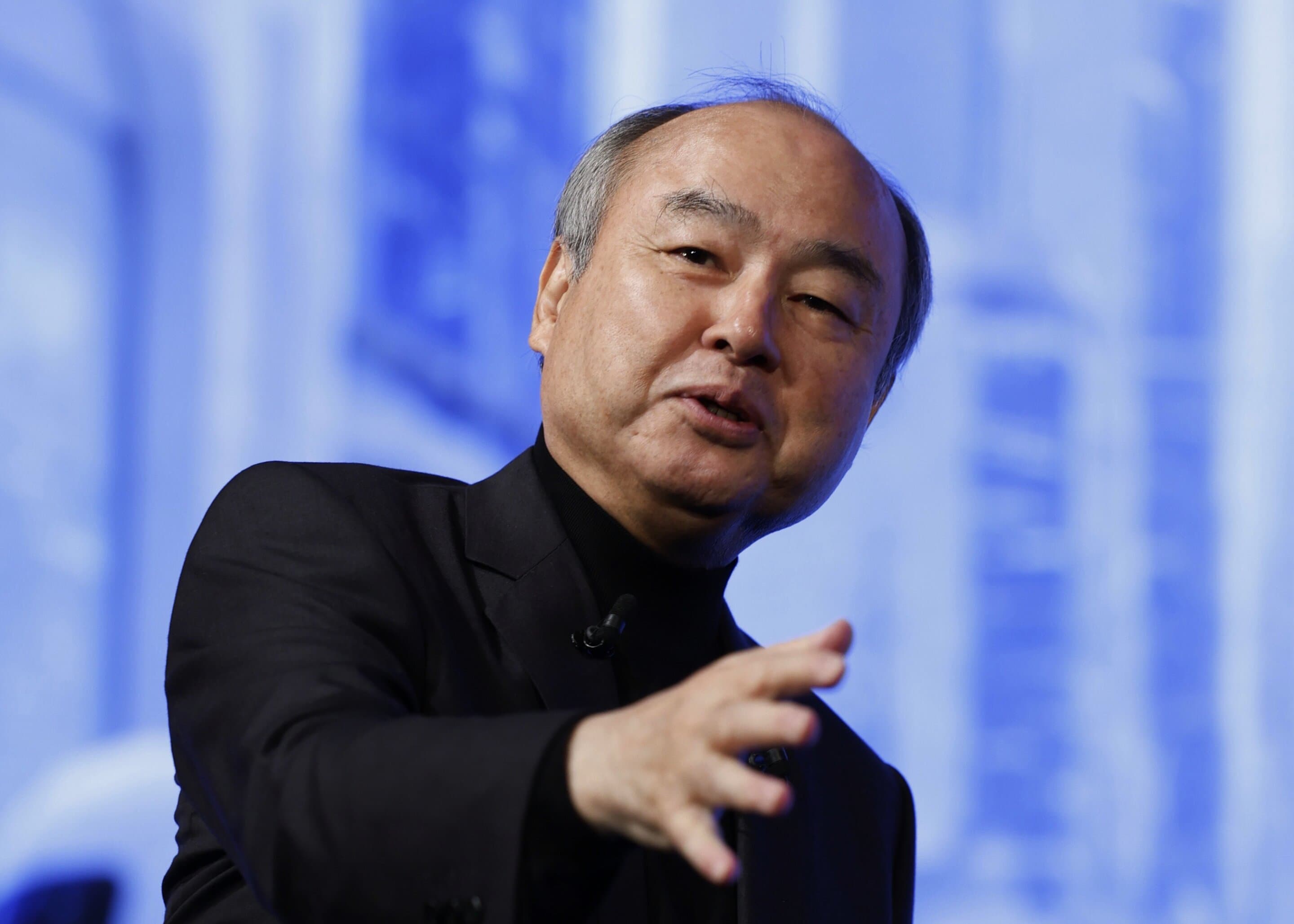
Image: TechXplore
SoftBank Group CEO Masayoshi Son said Tuesday that worries about an artificial intelligence investment bubble are misplaced, arguing instead that the sector will demand enormous long-term spending. Speaking at an annual company event in Tokyo, Son said questioning whether AI is a bubble is like doubting the usefulness of cars or planes.
“To ask whether AI is a bubble is a foolish question.”
He said AI will “transform our lives completely” and generate profits, while sharply criticizing opponents of the technology. The comments come as investors debate whether surging valuations for companies such as Nvidia and huge outlays on data centers can deliver the returns the market expects.
Son estimated that nearly $5 trillion a year will be needed globally to expand data centers, boost computer chip production, and build energy systems and other infrastructure for AI. He also predicted that by 2040, about 20% of the world’s GDP will be replaced by AI-related industries tied to what he called superintelligence.
SoftBank, founded more than four decades ago, has become one of Japan’s best-known technology investors and an early backer of AI companies. The company said earlier that profit for the fiscal year through March jumped nearly five-fold to 5 trillion yen ($32 billion) from a year earlier, helped by gains from its AI bets.
Recommended reading
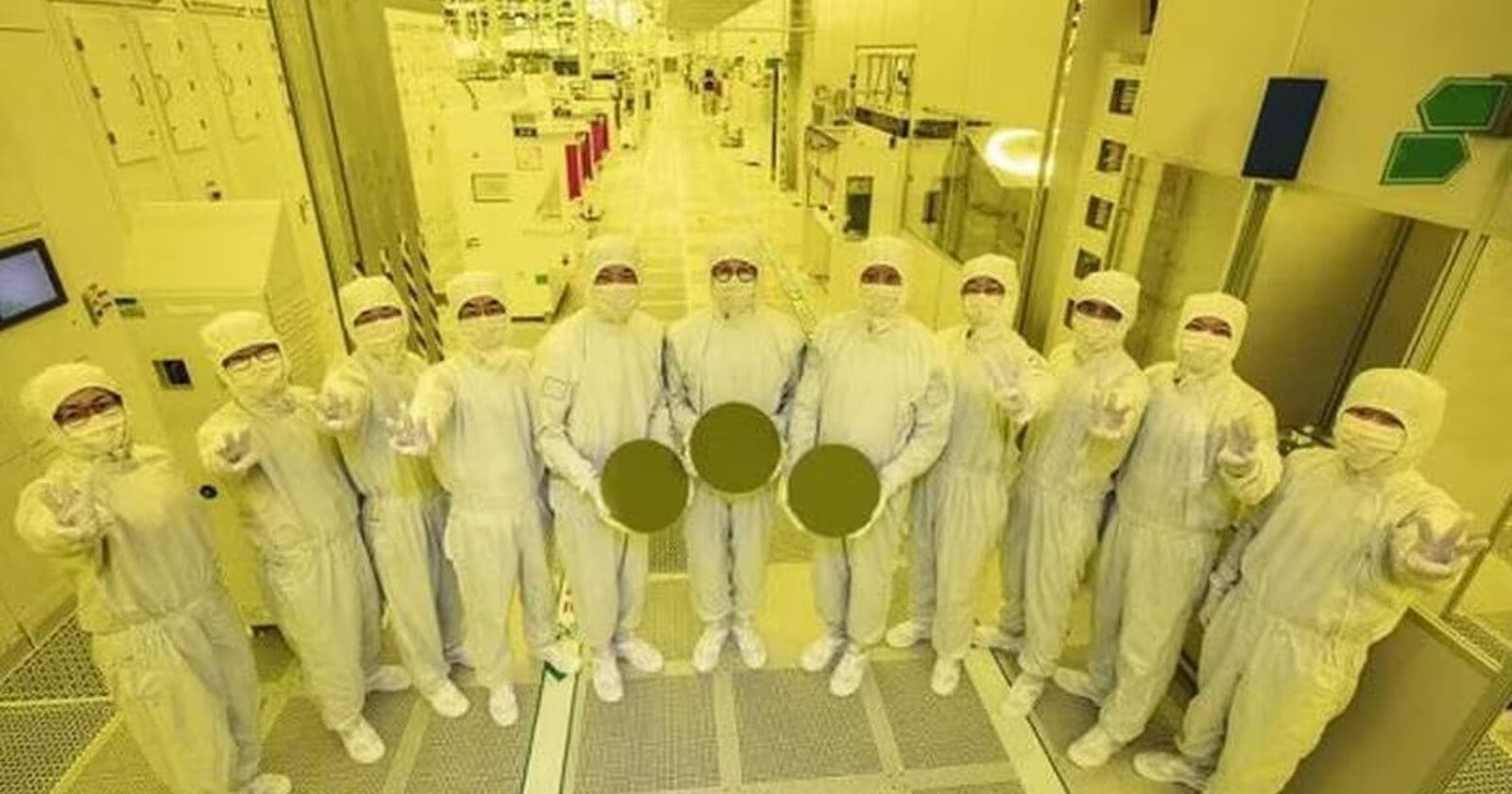
81.5% of Samsung Foundry staff may look elsewhere
The group has invested $34.6 billion in OpenAI. It also sold its stake in Nvidia last year to free up money for further investments in AI and data centers, and recently launched a battery business in Japan aimed at building next-generation power infrastructure as AI-driven electricity demand rises.

Enterprise Editor
Marcus follows the money. He covers enterprise software, cloud architecture, and the tectonic shifts in Big Tech strategy. He translates dense earnings calls and complex M&A activity into actionable insights about where the industry is actually heading. If a tech giant makes a silent pivot, Marcus is usually the first to notice.
via TechXplore