• 4 min read
Steam Deck LCD battery support lives on for now
Valve and iFixit say OEM batteries for the original Steam Deck LCD are still coming. But Valve still hasn’t said how long support will last.
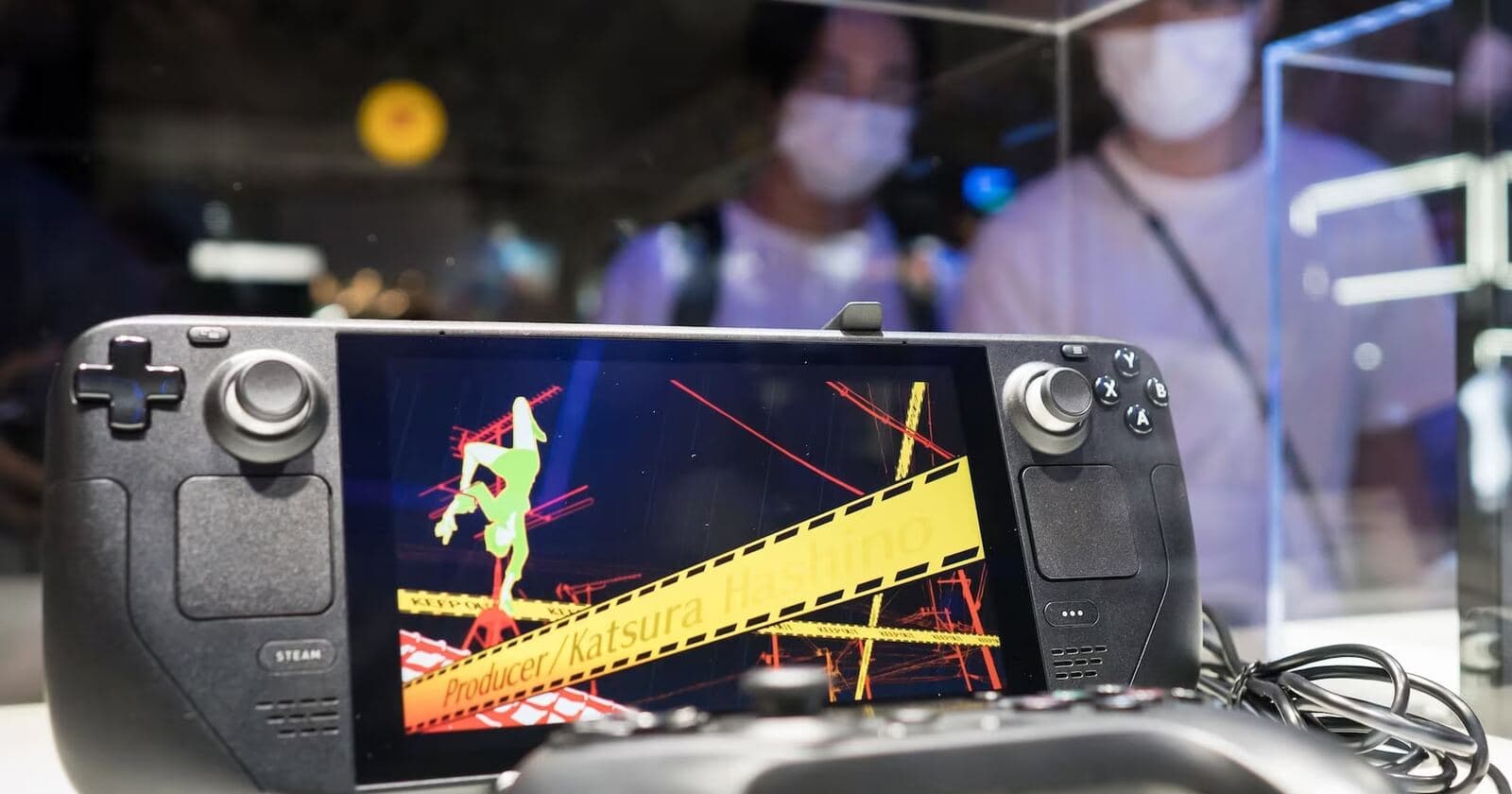
Image: ITzine
Valve and iFixit have pushed back on reports that replacement batteries for the original Steam Deck LCD had effectively run out. The concern started after an iFixit support reply to a user suggested new OEM batteries for the older model were looking increasingly unlikely. Now both companies say the opposite: a new shipment is already on the way, and parts sales are not being discontinued.
The issue surfaced in a Reddit post from an owner of the first Steam Deck who wanted to buy a replacement battery. In its reply, iFixit said it was “actively evaluating” a switch to third-party suppliers because fresh OEM batteries for the LCD model might no longer arrive. With Valve already having removed some LCD configurations from sale, that sounded like an early warning sign for a device released just four years ago.
That message was later undercut by iFixit CEO Kyle Wiens, who wrote on X that Valve is already sending a new batch of Steam Deck LCD batteries. Valve also told The Verge that iFixit will continue receiving “the same OEM components from Valve’s partners as before.” That makes this look less like the end of official support and more like a supply hiccup — or an unfortunate support message.
Why Steam Deck LCD batteries matter
For owners, this is not a minor part. The first Steam Deck uses a 40Wh battery, and in handheld devices, batteries tend to wear out faster than the screen or chassis. If replacements disappear, the console may still turn on, but using it away from a wall outlet becomes a different story.

Recommended reading
GTA 6 pre-orders hit $180 million in one week
Valve’s reassurance solves the immediate problem, but not the bigger one. The company still has not said how many years it plans to support the first Steam Deck revision, or how long iFixit will keep getting original batteries rather than compatible alternatives. For hardware no longer sold in its original configuration, that affects repair costs, lifespan, and resale value.
The original Steam Deck launched in 2022, while Steam Deck OLED arrived in late 2023. The OLED model improved not just the display but battery life too, with a 50Wh battery and a more efficient chip. That left the older LCD version as the cheaper way into the Steam Deck ecosystem — and the group most sensitive to repairability news.
Pricing pressure makes repairs more important
According to Gizmodo, in 2026 Valve raised prices on remaining models, with the 1TB version now priced at $950. That gives the first LCD Steam Deck a second life: repairing it is often cheaper than buying a new handheld.
Outside Valve, pricing is not much friendlier. Asus sells the ROG Xbox Ally X for about $1000, while more powerful Windows handhelds such as the MSI Claw 8 EX AI+ cost even more. Wiens suggested Valve may simply have underestimated battery demand for the older model, which is plausible: three to four years after launch is exactly when many devices start needing battery replacements.
There is a broader repair story here too. Valve’s partnership with iFixit was pitched from the start as an example of proper repair support, with official parts and manuals for a mass-market gaming device. Nintendo, Sony, and Microsoft have not typically offered that kind of support for their handheld or home systems.
If OEM batteries for the LCD model had really disappeared, it would have been a bad sign for the idea that a device can keep going long after it leaves store shelves. iFixit says it does have a fallback plan: if official supply stops completely, it can move to aftermarket batteries from a third-party manufacturer. That is better than nothing, but many users will still prefer original packs for clearer expectations around quality, compatibility, and longevity.
The real test now is simple: whether those batteries actually show up for sale in the coming months. If the new shipments satisfy demand, this will look like a temporary supply issue. If shortages return, the question of long-term Steam Deck LCD support will come back fast.

Culture Editor
Maya explores gaming, streaming, and the internet as a place where people actually live. From deep-dives into creator economies to the anthropology of digital communities, she tracks platform drama and cultural shifts so you don't have to. She believes the best tech stories are fundamentally about human behavior.
via ITzine