• 2 min read
Taiwan May Force TSMC to Build Power and Storage
Taiwan is weighing rules that could force big power users like TSMC to build their own generation and storage capacity.
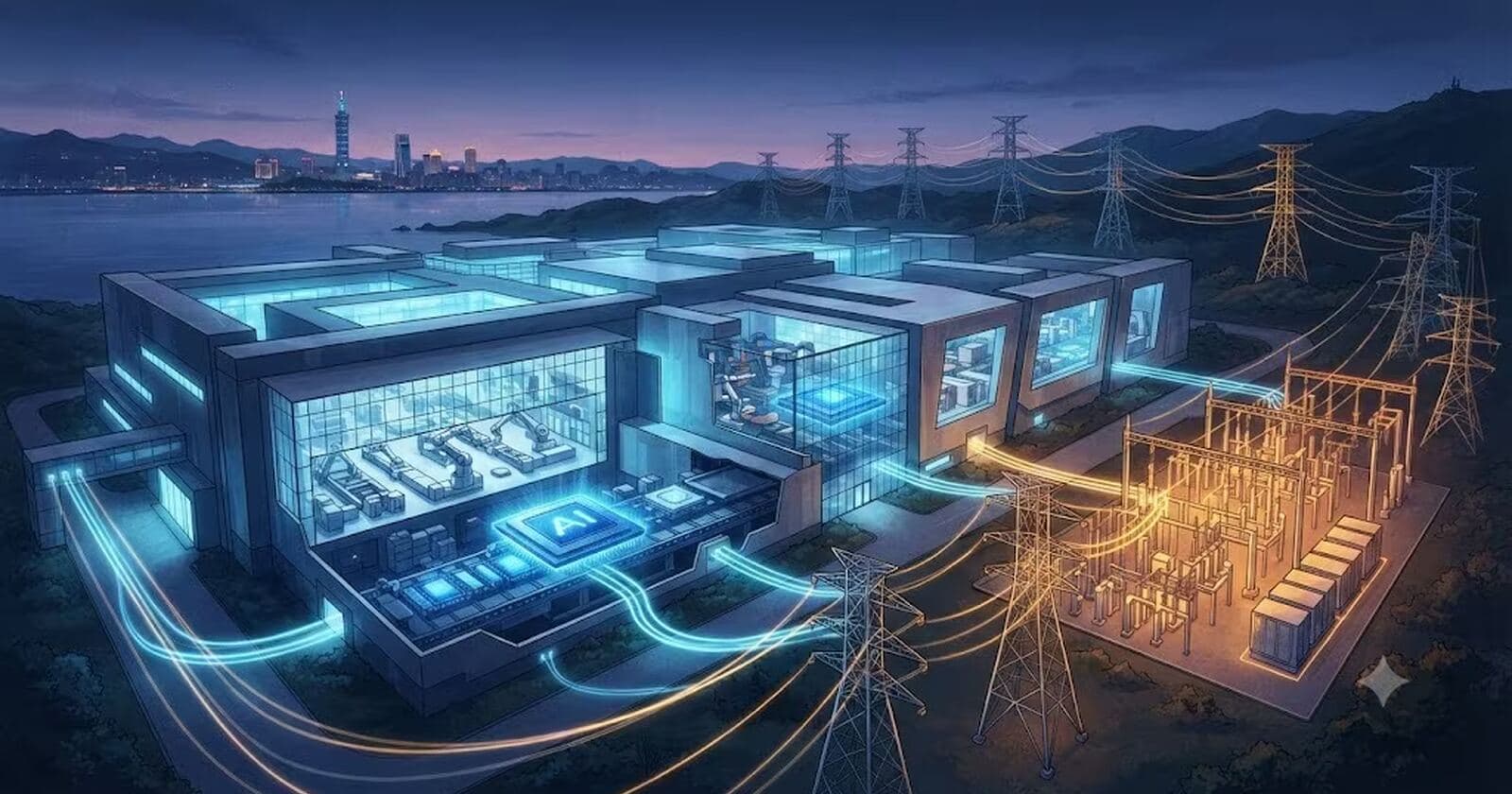
Image: ITzine
Taiwan is preparing new rules for its biggest electricity consumers, and TSMC appears to be the clearest target. Under proposed amendments to the Energy Management Act, companies with power demand above 5 MW may be required not just to draw from the grid, but to invest directly in power generation and energy storage.
Another condition under discussion would require at least 10% of a company’s electricity demand to be covered by renewable energy. According to the source, roughly 400 enterprises could fall under the new rules.
TSMC stands out from the rest. The company reportedly consumes around 25.55 billion kWh a year, or about 9% of all electricity used in Taiwan. Demand for AI accelerators, servers, and more advanced chips is only pushing fabs to run harder, adding further strain to the island’s power system.
For Taiwan, this is not just an environmental policy debate. It is also about industrial reliability. Modern semiconductor fabs cannot tolerate interruptions: even a short power outage can ruin chip batches and trigger costly contract disruptions. Taiwan has already experienced blackouts, making grid stability a much more immediate concern.

Recommended reading
South Korea’s $540bn chip hub lacks power and water
TSMC is not starting from zero. The company already participates in renewable energy projects, including offshore wind deals, and has long been seen as one of the region’s biggest corporate buyers of green electricity. If the rules pass in their current form, though, buying clean power would no longer be enough. Large manufacturers could also be expected to build part of that infrastructure themselves.
No timeline has been announced for adopting the amendments. But the scope of the debate suggests Taiwan is considering a broader new model for heavy industry — one that could force TSMC to budget not only for fab expansion, but for its own energy generation and storage as well.

Enterprise Editor
Marcus follows the money. He covers enterprise software, cloud architecture, and the tectonic shifts in Big Tech strategy. He translates dense earnings calls and complex M&A activity into actionable insights about where the industry is actually heading. If a tech giant makes a silent pivot, Marcus is usually the first to notice.
via ITzine