• 2 min read
Tesla beat delivery forecasts, but shares still fell
Tesla delivered 480,126 vehicles in Q2 2026, topping Wall Street estimates. The stock still dropped as investors looked past sales to AI, autonomy, and margin pressure.
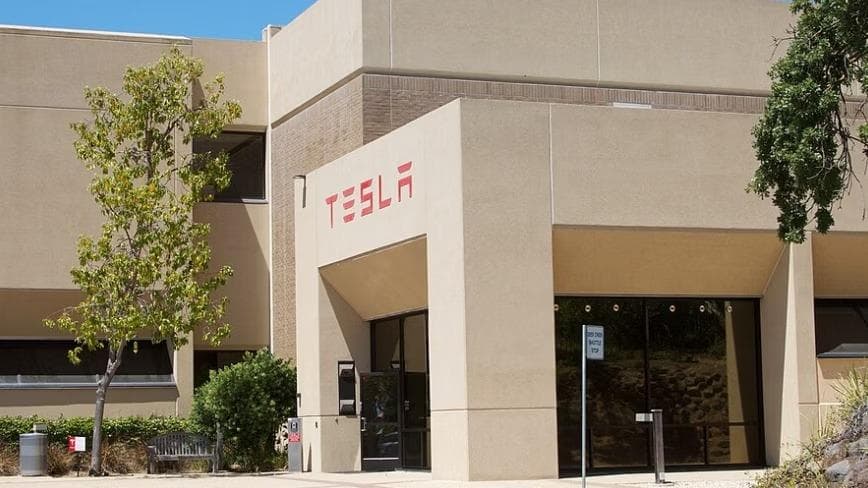
Image: iXBT
Tesla delivered 480,126 vehicles in Q2 2026, beating Wall Street expectations. But the stock fell after the numbers landed, a sign that simply topping delivery forecasts is no longer enough to lift the company’s valuation ahead of its quarterly earnings report.
The market’s reaction underscores how much investors now expect from Tesla. According to the source, rising competition is becoming a key source of pressure on the company’s car business, while investors are increasingly focused on whether Tesla can justify expensive bets on AI, robots, and autonomous driving.
Rivian has started shipping its new R2 EV, entering the $45,000 to $60,000 SUV segment. That is the same price band where Tesla Model 3 and Model Y generated more than 96% of the company’s sales in 2025. Rivian still lacks the manufacturing scale to challenge Tesla on volume, but strong interest in the R2 could help it raise money for further expansion.
Rivian is effectively betting that slower growth in the US EV market opens the door for newer players. For Tesla, that means added pressure on automotive margins as rivals move into one of its most profitable segments.
Tesla valuation and 2026 spending
A large part of Tesla’s current valuation rests on businesses that still generate little revenue. Investors are pricing in potential upside from the Optimus humanoid robot, Full Self-Driving (FSD), and ties to SpaceX. But the source says market enthusiasm is gradually shifting away from long-term promises around AI applications and toward companies already shipping hardware and making money from it.

Recommended reading
Women Are Falling Behind on AI at Work
Tesla also raised its 2026 capital expenditure forecast from $20 billion to $25 billion. The additional spending is aimed at advancing technology and preserving competitive position, both of which are already reflected in the stock price. At the same time, FSD timelines have slipped repeatedly, and the robotaxi rollout still faces technical limits.
Ahead of earnings, the options market is pricing in a post-results move of about 7% in Tesla shares, below the historical average of roughly 9% for similar periods. Stronger demand for protective options may signal that some traders are positioning for a decline.

Enterprise Editor
Marcus follows the money. He covers enterprise software, cloud architecture, and the tectonic shifts in Big Tech strategy. He translates dense earnings calls and complex M&A activity into actionable insights about where the industry is actually heading. If a tech giant makes a silent pivot, Marcus is usually the first to notice.
via iXBT